



Photo: Wrightbus
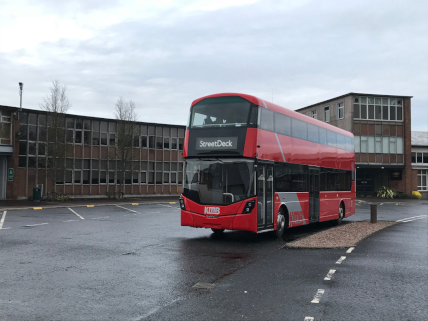
On the passenger vehicle market, battery electric vehicles are getting the most attention and fuel cell cars are still very rare. However, when it comes to heavier transport, things are happening. Next year, five hydrogen-powered double-decker buses, the first in the world, will be running in London.
London's air is notoriously poor, and the city has introduced low-emission zones to combat traffic emissions. However, more action is needed; for instance, the new taxis are hybrids with technology from Volvo Cars, and the city uses electric power for many buses.
Next year, the world's first fuel cell-powered double-decker bus will also enter service. Transport for London has ordered a total of 20 double-decker buses that will be powered by hydrogen. The buses are being built by the Irish company Wrightbus, and the funding comes from Transport for London with support from the EU.
In total, London will invest £85 million, just over 1 billion Swedish kronor, to reduce emissions from buses in public transport.
Compared to electric buses, hydrogen buses have a longer range and do not need to be charged. Refuelling hydrogen takes approximately 5 minutes and, according to Transport for London, one refuelling stop per day per bus should be sufficient.
Fuel cell vehicles have zero local emissions, but for overall environmental benefit, the technology relies on the use of green electricity to produce the hydrogen.
Source: di.se