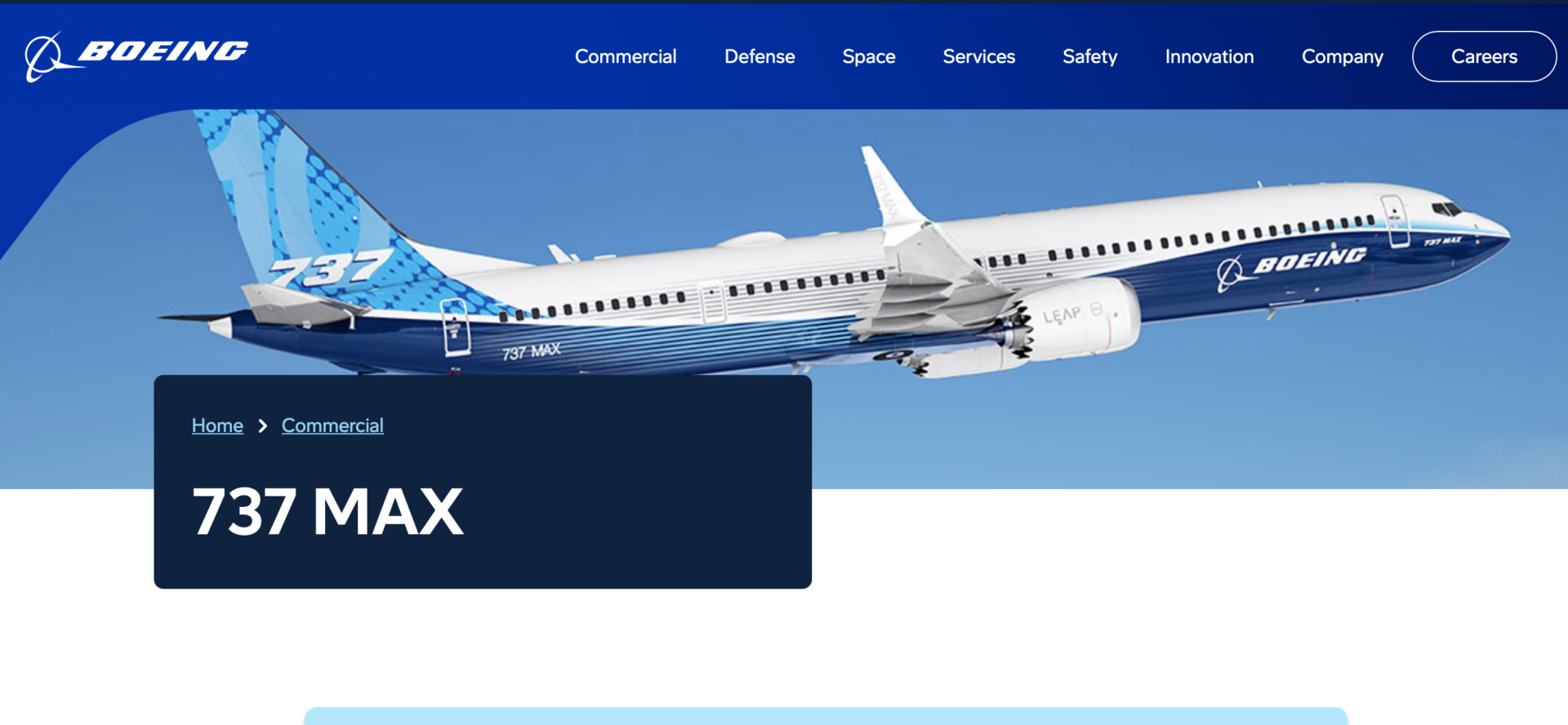

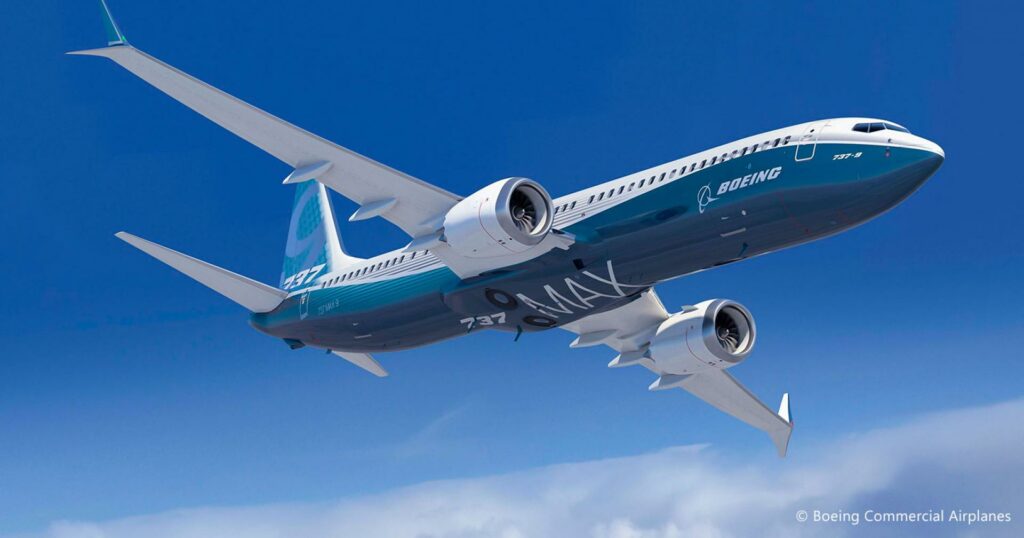
Boeing and the US Federal Aviation Administration (FAA)'s work on the safety classification of the heavily criticized accident model 737 Max 8, which crashed twice in a short period of time before the plane was grounded, is being reviewed by a global panel of other aviation authorities in an as-yet unpublished report.
According to the Wall Street Journal's sources, Boeing and the FAA are criticized for a lack of transparency and clarity in how the agency delegated mandate to Boeing to verify specific control systems. The consequences of some of the design changes made were not given sufficient attention by the FAA, according to the report.
The panel now calls for a greater degree of data sharing and transparency between authorities in different countries, and an evaluation of the FAA's routines for daily work is proposed to ensure that the American agency's safety work begins at the right stage.
The report, the Joint Authorities Technical Review (JATR), was written by representatives of aviation authorities in Canada, China, the United Arab Emirates, the EU, Brazil and the United States. The report will be presented in the coming weeks, according to WSJ sources.
The 737 Max 8 crashed twice, first in Indonesia in October 2018 and then in Ethiopia in March 2019. 346 people died.
A vulnerable point suspected of having failed in the crashes is the autopilot system MCAS, which lowered the nose angle without pilot command and after instruments were damaged and sent error data indicating that the plane was about to lose lift. In both accidents, the pilots, who were not even aware of the new system's existence, were unable to manually counteract increasingly steep nose angle tilts, which in both cases caused crashes at very high speeds.
The criticism of Boeing and the FAA has been heavy and has come from several quarters. The safety process has been the focus of the reporting. The Seattle Times, the newspaper in Boeing's headquarters, came across information early on that a decisive reason for the safety process being rushed was that the French main competitor Airbus had launched the best-selling model A320 Neo, which is why the Max 8 was needed to offset the competition.
The competition between Boeing and Airbus goes beyond normal market dynamics, given that the companies have a near monopoly on the medium- and long-haul commercial aviation market. The aircraft manufacturers have become a hot topic in trade diplomacy between the US and the EU, both of which are pursuing cases against each other at the World Trade Organization (WTO) over allegations of illegal state aid to the respective companies in the form of unequal tax breaks.
Since the second plane crash in March, Boeing's stock has fallen more than 10 percent. However, the stock has recovered from the initial 25 percent stock market drop. Airbus's stock is up more than 5 percent since the competitor's Max 8 problems became acute. The stock was down more than 3 percent on Monday after reports that the WTO had given the US the green light to impose tariffs on the aircraft manufacturer.
Source: Nyhetsbyrån Direkt