
Travel abroad has been a drag, but not the desire to travel. On average, eight trips were made per Swede within the country's borders in 2020, according to Vagabond magazine's annual travel barometer.
As a result of the pandemic, Swedes' travel habits changed dramatically in 2020. Holiday trips abroad decreased by 84 percent last year. You have to go back to World War II to see the same drastic decrease in international travel from one year to the next.
– The year started as usual but then there was chaos. The most obvious thing was that we didn't go abroad and that's not surprising, says Hans Remvig, travel and tourism analyst at Resurs för resor och turism.
Many chose instead to travel within the country. This year's survey therefore asked questions about domestic travel.
On average, each adult Swede made 3.5 trips in Sweden with at least one overnight stay and 6.1 day trips, according to the survey.
– We took more day trips but stayed less in hotels. People chose other forms of accommodation such as renting cottages and many with holiday homes used them more, says Hans Remvig.
The number of hotel nights and tourist revenue in Stockholm was halved in 2020 compared to the previous year. However, the metropolitan regions of Stockholm, Gothenburg and Malmö still attracted the most visitors, but not to the city centers where amusement parks were closed.
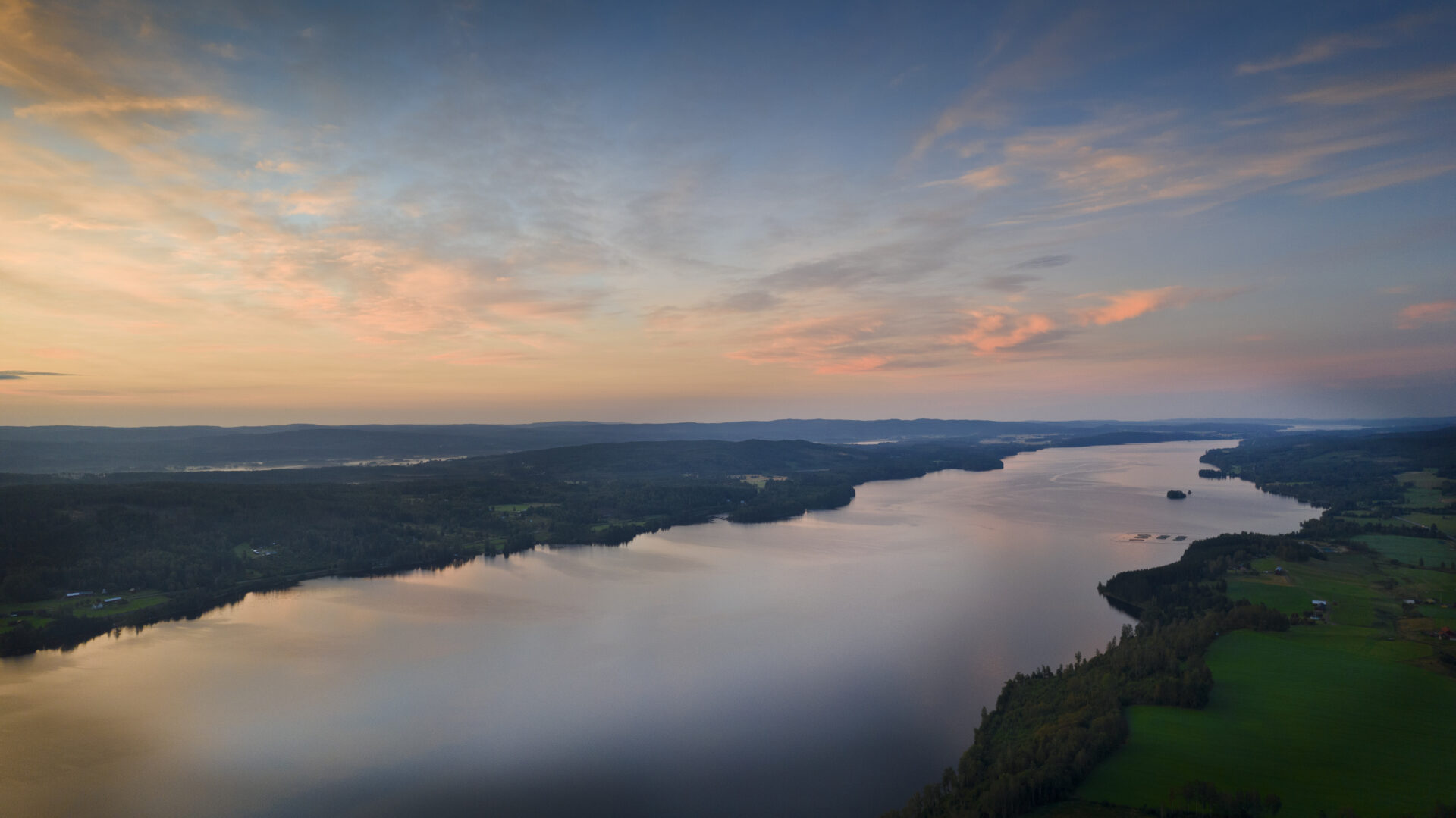
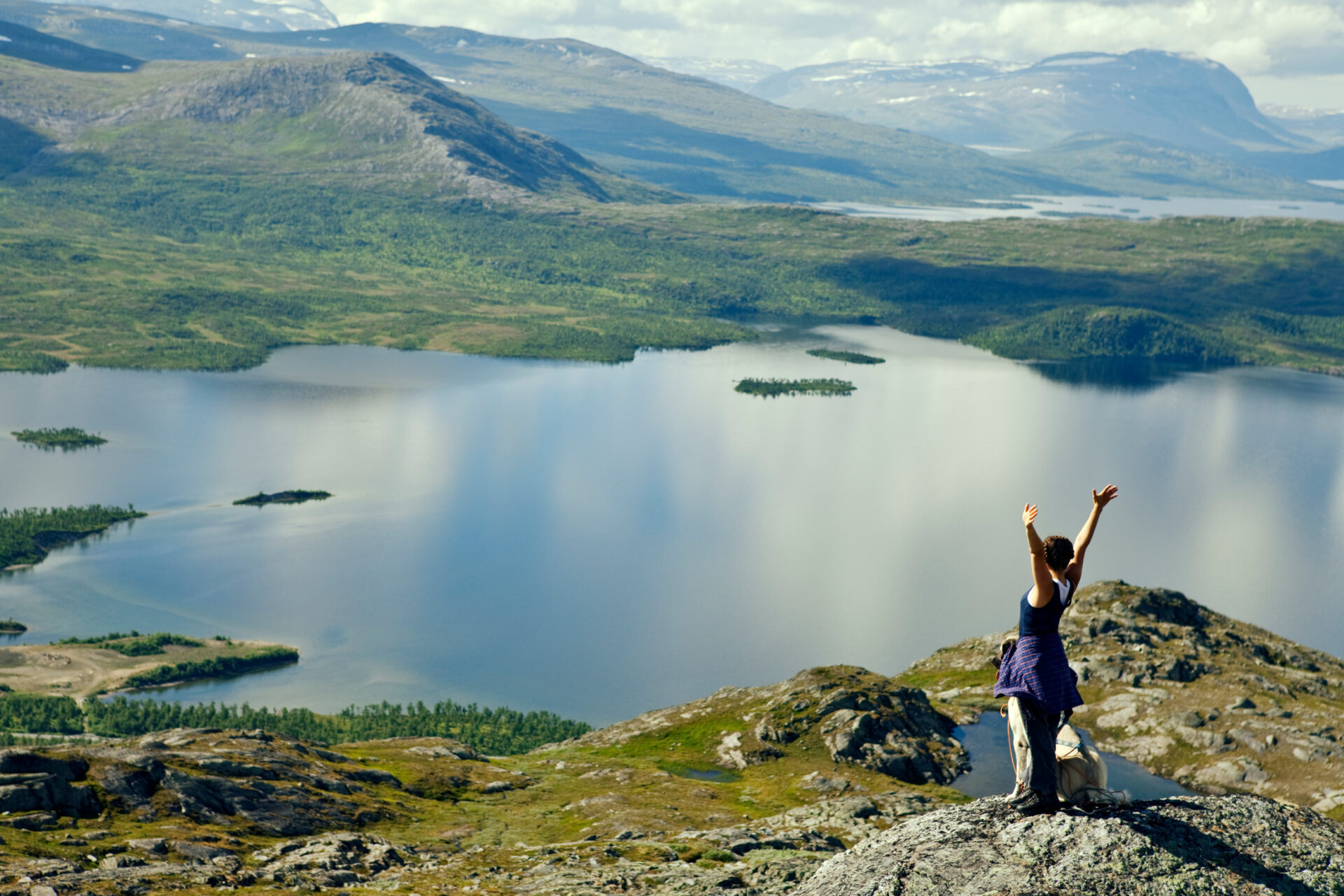
Swedes sought more natural experiences and often in places not too far from home, according to the survey.
There is a desire to travel, but at the same time I think we will change our travel behavior a little after this. For example, I think the big cities have gotten a little bit of a nose job.
There were also many who traveled to meet family and friends.
– A lot of people met family and friends anyway, you can meet in different ways. Where we have family and friends determines a lot of the travel, says Hans Remvig.
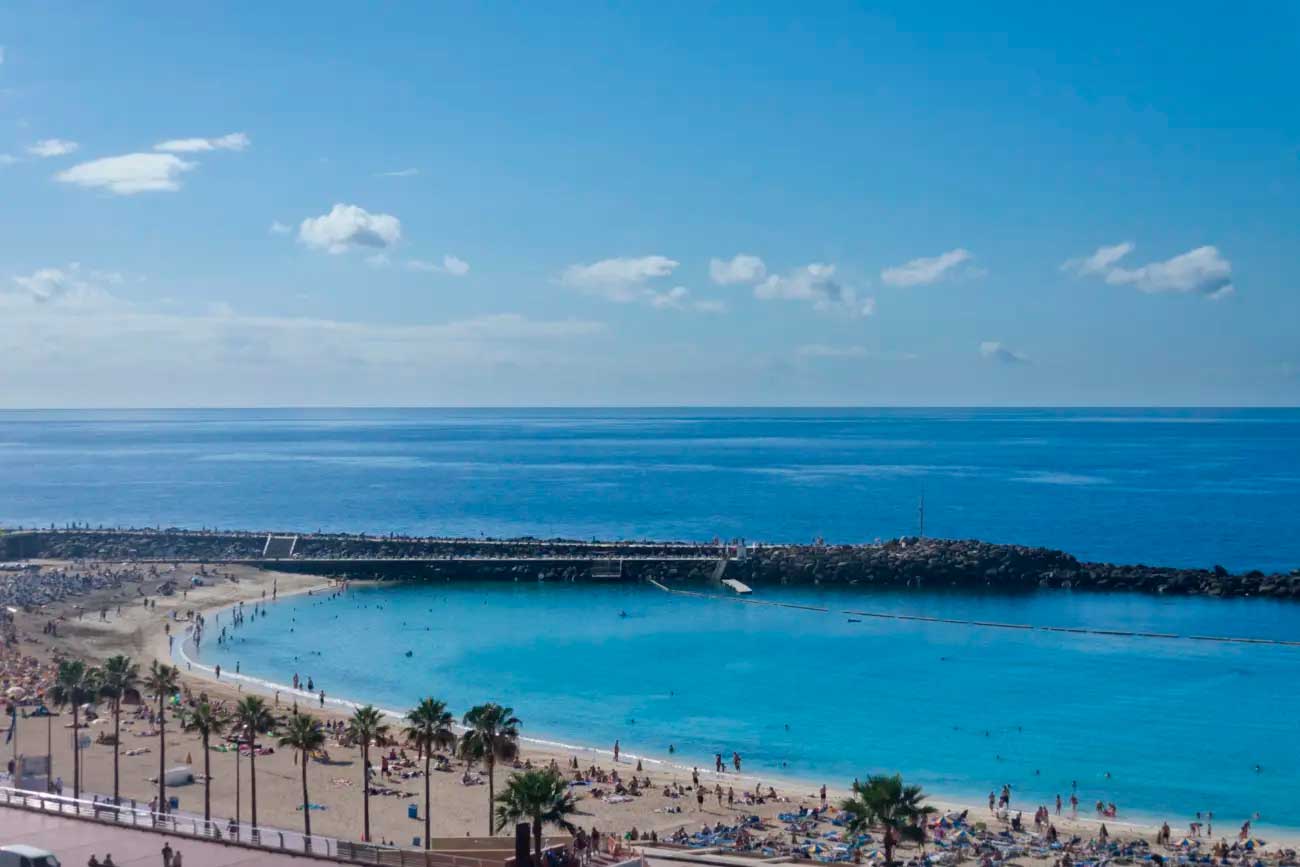
Of the trips abroad made Most trips went to Spain, followed by Denmark, Finland and Germany.
According to Hans Remvig, the fact that Denmark and Finland, which have had strict entry restrictions, end up high on the list is mainly due to the fact that those with roots in neighboring countries have been able to travel there despite restrictions.
How will we travel when things return to more normal? The desire to travel seems to overshadow the negative impact of flying on the climate. In the survey, 14 percent say they plan to fly less abroad in the coming year. This compares with 27 percent the year before. Ten percent also say they will travel more.
– There is a desire to travel, but at the same time I think that we will change our travel behavior a little after this. For example, I think that the big cities have gotten a little pinched on the nose. People have discovered other things in smaller towns. Some have discovered Sweden and will probably look at Sweden more in the future, says Hans Remvig.
Source: TT