

The first weeks after the outbreak of war in the Middle East show a clear change in Nordic travel habits. New figures from Solfaktor show a sharp increase in European destinations – especially Spain and Albania – while demand for long-haul travel decreases.
Travel patterns among Scandinavian travelers have changed significantly during the first half of March. Data from Solfaktor, based on combined sales in Norway, Sweden and Denmark from March 1–21, shows a clear shift towards shorter and more predictable trips.
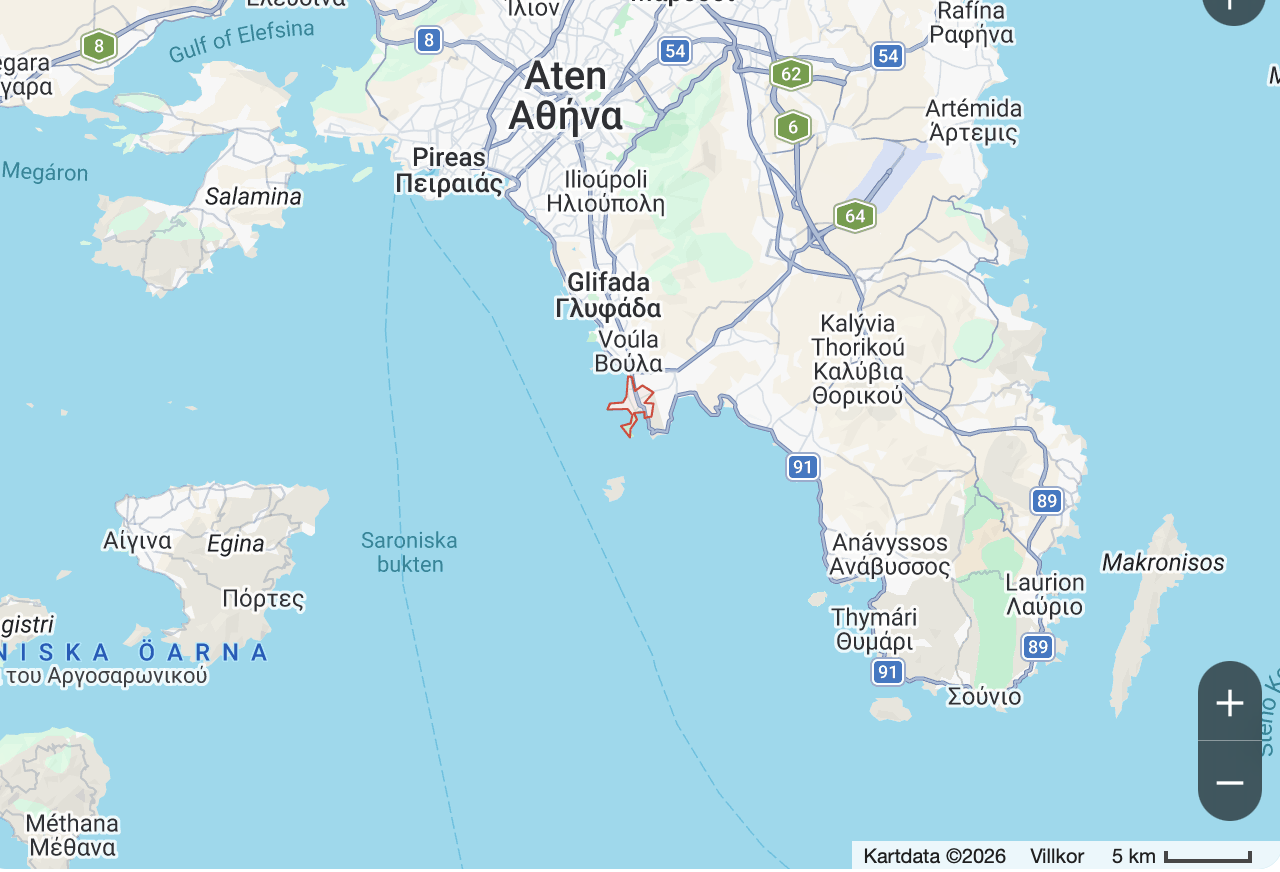
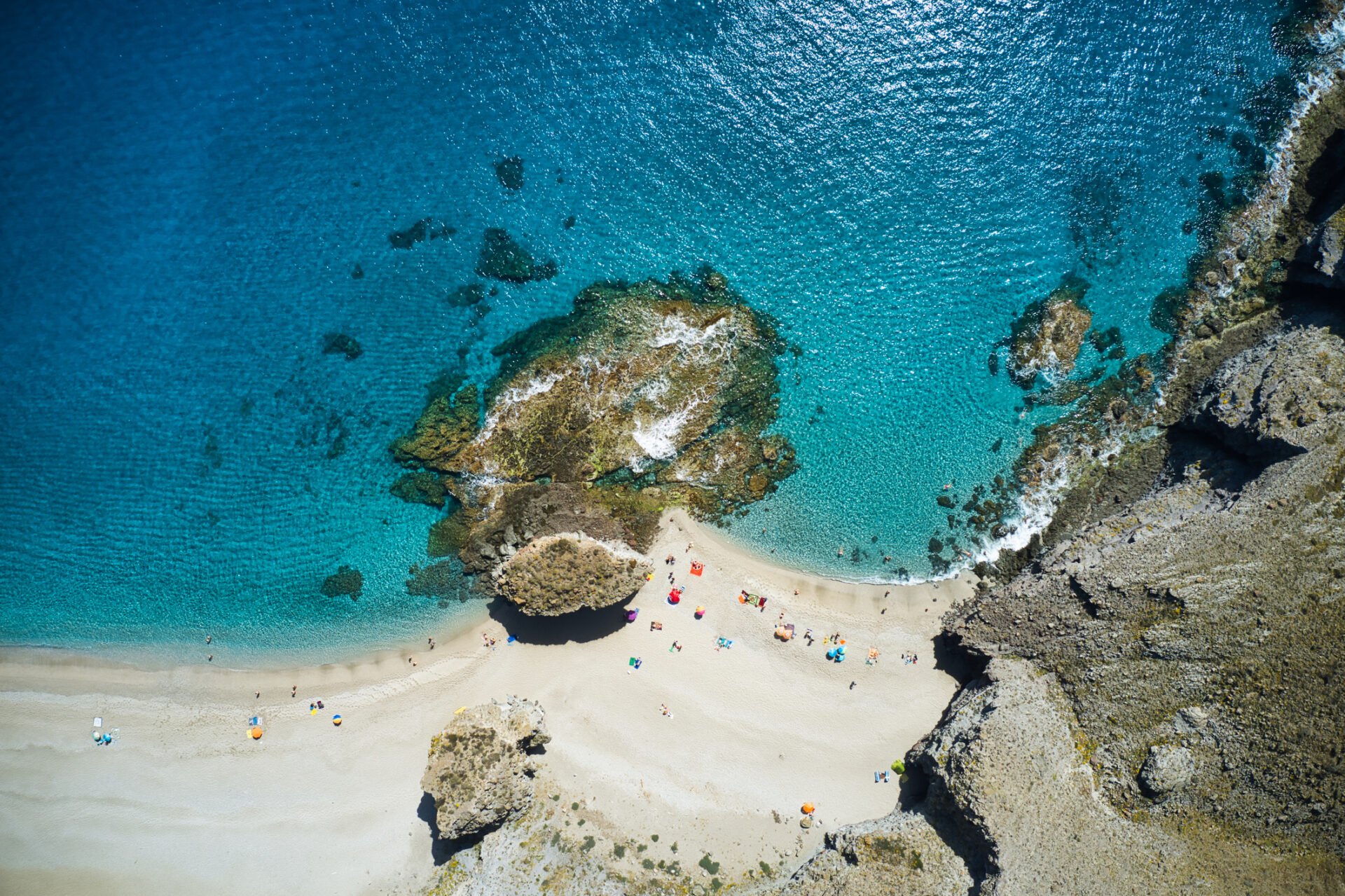
Spain tops the list with a whopping 41 percent of all bookings – a 70 percent increase compared to the same period last year. At the same time, demand for Greece is increasing by 9 percent, while Albania stands out with a whopping 130 percent increase and 6 percent of the total volume. Portugal accounts for 5 percent of sales and a growth of 127 percent.
– We see a clear tendency for travelers to choose safe and accessible destinations. Countries with direct flights and shorter travel times are now being prioritized, says Gunnar Grosvold, CEO of Solfaktor.
Eastern Europe is also clearly visible. Poland accounts for 9 percent of sales, with an increase of 61 percent compared to last year. Cities such as Gdansk and Krakow are now among the most popular metropolitan destinations at Solfaktor. Poland offers an attractive combination of short flights, good prices and a wide range of hotels. According to Grosvold, this makes the destinations particularly relevant in today's situation.
Italy remains stable at 9 percent of sales, on par with last year.
Together, Spain, Italy, Poland, Greece, Albania and Portugal account for a whopping 79 percent of sales. A clear trend is that travelers are choosing long-haul travel less and less. Instead, they are choosing European destinations, both west and east, where direct flights are a crucial factor.
At Solfaktor, we see that demand is concentrated around the Mediterranean and nearby major cities. Flexibility, accessibility and price now play an even greater role in travel choices than before.