
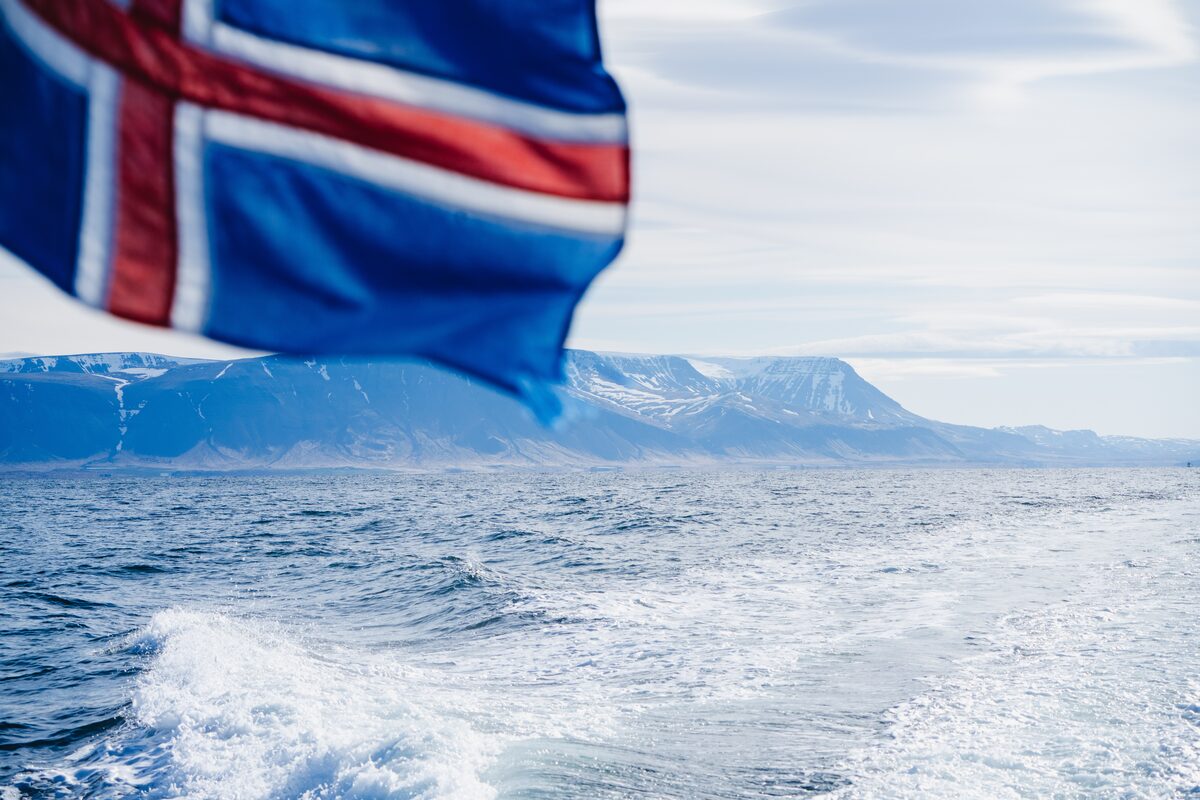
After years of rapid growth, tourism in Iceland appears to have stabilized at around 2.3 million foreign visitors per year. At the same time, travel is changing beneath the surface. A new analysis from Arctic Adventures shows big differences between summer and winter traveler booking patterns, while China is growing rapidly and interest is increasing in geothermal spas and less-visited parts of the country.
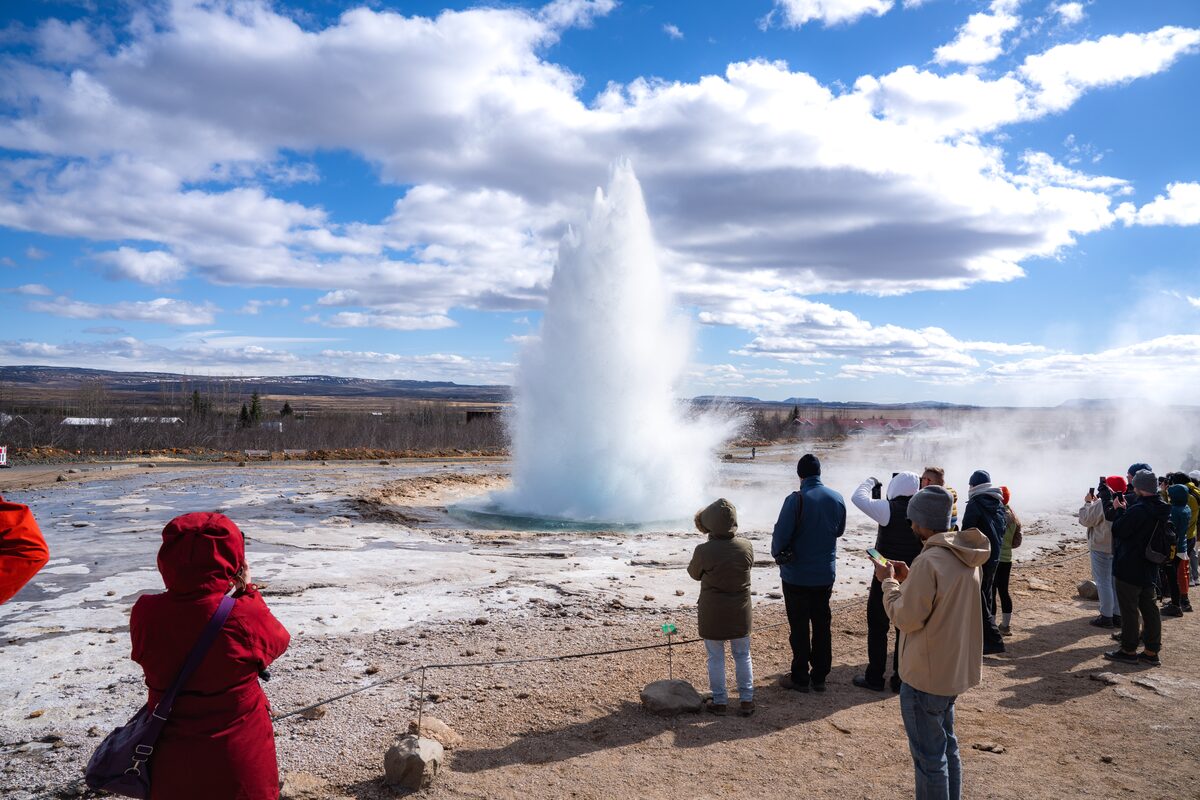
During the first half of 2026, around 956,000 foreign departures were registered via Keflavík Airport. This is around one percent fewer than the corresponding period last year, when the number was 966,000.
For the full year, around 2.24 million foreign tourists are expected, according to a forecast from Isavia. This would mean another year with relatively unchanged visitor volumes.
In 2025, approximately 2.27 million foreign departures were registered via Keflavík, compared to 2.26 million in 2024 and 2.21 million in 2023. Last year's level corresponded to 97.6 percent of Iceland's record from 2018.
Summer trips are booked early – winter trips are booked late
Behind the stable visitor numbers are clear changes in how travelers plan their stays.
Arctic Adventures booking data shows that around 55–65 percent of summer trips between June and August are booked three to six months in advance, with relatively few summer travelers waiting until the last minute.
In winter, the pattern is almost the opposite. Around 50–60 percent of trips between November and February are booked just 30–60 days in advance. According to the analysis, behavior is influenced by, among other things, forecasts for the northern lights, the availability of ice caves and current weather conditions.
Spring and fall travelers are also relatively early, with around 60 percent booking at least two months before their trip.
According to Arctic Adventures, the differences mean that a weaker booking trend ahead of winter does not necessarily mean reduced demand - travelers may simply wait longer before making a decision.
USA largest – China growing rapidly
The United States continues to dominate Iceland's international tourism market. Americans accounted for 29.2 percent of foreign departures via Keflavík in 2025, corresponding to around 662,000 travelers. This was an increase of 6.7 percent from the previous year.
The UK was the second largest market, but the number of British travelers decreased by almost 14 percent.
Developments from China are moving much faster. The number of Chinese visitors increased by around 33 percent in 2025 to around 128,000, the highest annual figure for the market so far.
Geothermal baths and the Westfjords attract
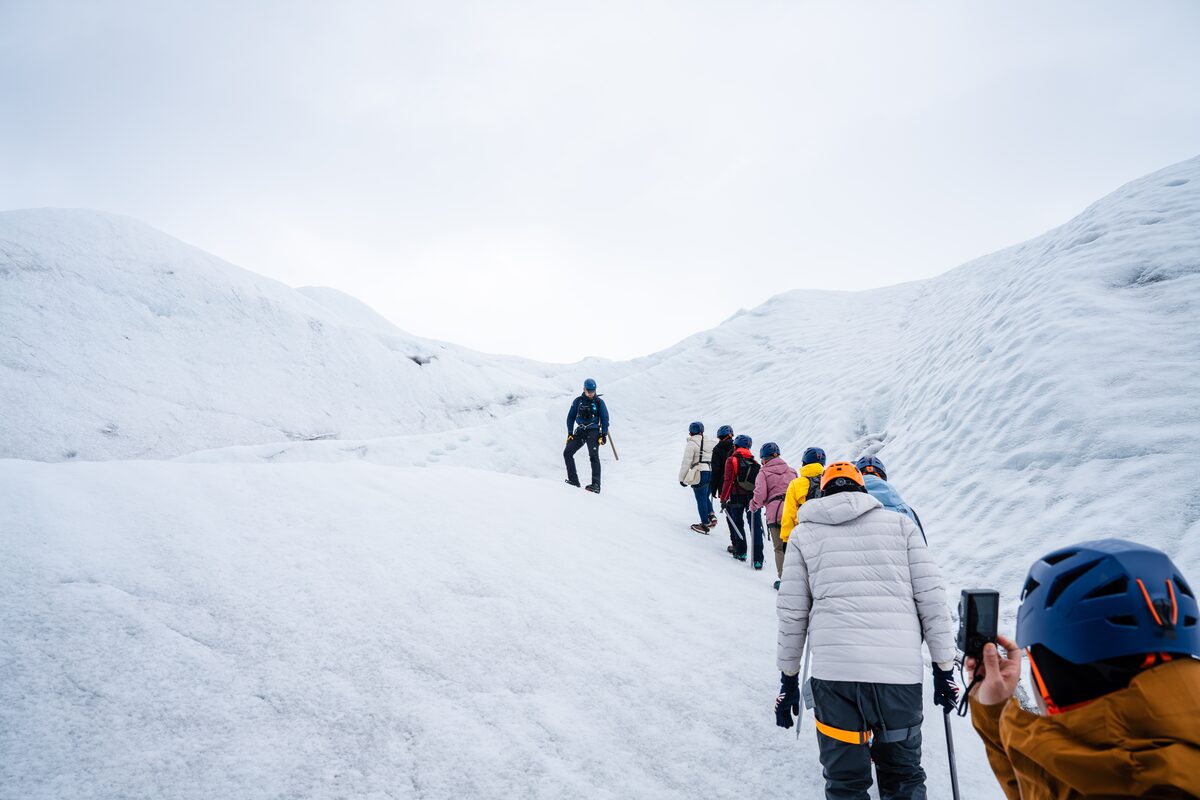
At the same time, Iceland's classic nature experiences maintain their strong position. Lava caves, the Katla ice cave, snorkeling at Silfra and excursions along the south coast are among Arctic Adventure's most booked day activities during the first half of 2026.
But the analysis also points to new travel trends. Interest in geothermal bathing experiences is increasing, including around Laugarás Lagoon, Secret Lagoon and Laugarvatn Fontana.
In addition, more travelers are seeking out areas outside of Iceland's most popular tourist destinations. The Westfjords are highlighted as an area where demand for longer trips and more remote experiences is growing.
August remains high season
August is Iceland's biggest tourist month. In August 2025, around 313,000 foreign travelers departed from Keflavík, the highest monthly figure to date. July saw around 302,000. Together, the two months accounted for around 27 percent of the year's foreign departures.
Tourism remains a major contributor to Iceland's economy. According to preliminary figures from Statistics Iceland, the sector accounted for an estimated 8.8 percent of the country's GDP in 2025, while registered accommodation establishments recorded around 10.2 million overnight stays.
“For a decade, everyone asked how fast Iceland could grow. The plateau allows us to ask a better question: how well can we make each individual trip? That is the competition we intend to win,” says Ásgeir Baldurs, CEO of Arctic Adventures.