



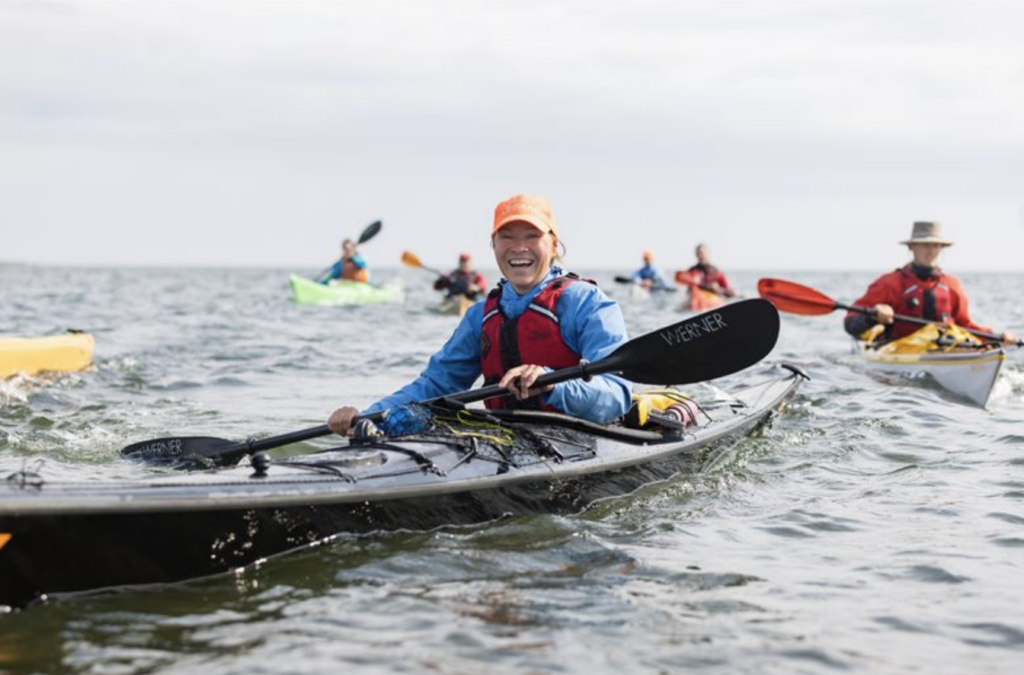
Peace of mind, physical exercise and enjoying nature – paddling is a fantastic way to get out and discover all the beauty that is in our surroundings. Paddling is also something most people can learn, preferably together with Friluftsfrämjandet.
– With a kayak or canoe you can get out on the water in a peaceful way. It is important to remember that you should be able to swim and wear a life jacket when you go out. Another tip is to bring waterproof packed and dry change of clothes and a mobile phone, also packed waterproof and easily accessible if you end up in the water, says Carl Crafoord, kayak leader at Friluftsfrämjandet.
It's certainly magical when the sun sparkles on the water's surface, the canoe slowly glides along and the birds chirp. However, it's important to keep an eye on the weather report.
– Have a backup plan in case the weather report turns out to be wrong. If you are on a longer trip, it is a good idea to follow the weather report often during the trip and let the weather determine which route you take. If you are a beginner, the weather should be calm. Stay close to land in calm waters so you can easily dock for a coffee break or to rest, says Carl Crafoord.
7 tips for those who are going out paddling
• If you are planning a trip with friends, it is a good idea to agree on who is responsible for what – who will do the navigation and who will be the leader of the group? Sometimes decisions need to be made quickly, for example if someone capsizes.
• Check out suitable launching sites and rest areas. Where can you park your car and where are there kayaks to rent if you need them?
• Learn about the route you want to paddle. Can you avoid heavily trafficked trails or unnecessarily open and long passages? Check if there are currents and particularly windy places that will make paddling difficult. Expect to paddle about 5 kilometers per hour if conditions are good. Plan for reasonably long daily stages based on the weather report, the group's knowledge and stamina.
• Are you going to spend the night in a tent? Find out if the location is a nature reserve or bird sanctuary with special regulations. In Sweden, the right of public access applies and you are allowed to camp for one or two nights on other people's land as long as you do not disturb or destroy it. However, in areas with protected nature, camping may be prohibited during certain periods of the year.
• Provisions, water and garbage also need to be planned for. Can you bring all the food you need for the trip or can you find food along the way? Where can you refill your water if you need to? Always bring extra food in case the trip takes longer than you planned due to unforeseen events. Bring bags to store your garbage in until you get home.
• Tell someone at home where you are going, your turn, and where you will stop. Remember to update your travel plans if conditions change. Keep your mobile phone charged and stored waterproof on you, not in the kayak.
• Join an organized trip with Friluftsfrämjandet! It makes the trip safer and you also get the opportunity to get better paddling technique faster, which gives you more stamina and can parry when something unexpected affects your balance. Through better paddling technique, you can reduce the risk of overloading unaccustomed muscles.
According to the press release.