
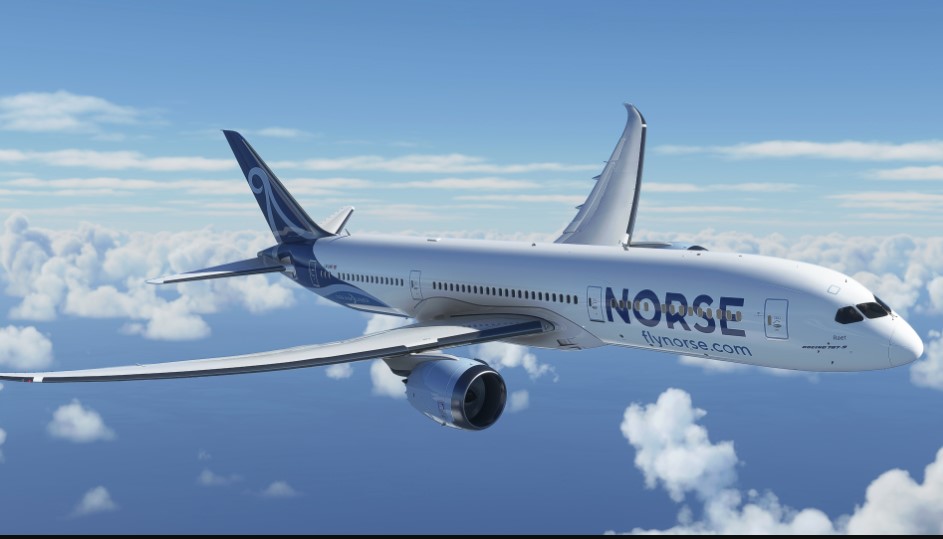
Norse Atlantic Airways had a load factor of 98.5 percent in August, while revenue per available seat kilometer on its own route network increased by 30 percent. Despite strong demand, passenger numbers fell by 32 percent as the airline reduced capacity due to high fuel prices.
Norse carried a total of 139,367 passengers on its own scheduled network, ACMI and charter operations in August, compared to 208,153 in the same month last year.
The decline comes at the same time as the company has implemented a clear change in capacity distribution. The number of flights in its own scheduled network decreased from 607 to 238, while ACMI and charter flights increased from 52 to 253.
The cabin factor for the operation as a whole rose from 94.9 to 98.5 percent.
Unit revenue increased by 30 percent
On its own route network, Norse increased revenue per available seat kilometer, TRASK, by 30 percent compared to August last year. The measure rose from 5.3 to 6.9 US cents.
The company links the capacity reduction to continued high fuel prices.
“Our deliberate capacity reductions reflect the continued high fuel prices. Even though this means we carry fewer passengers, we are flying with almost full aircraft,” says Norse CEO Eivind Roald.
Norse also states that the booking situation for the upcoming winter season looks positive, but that capacity will be adjusted according to the development of fuel prices.
No cancelled flights
All scheduled Norse flights were operated during August, compared to 99 percent in the same month last year.
Punctuality also improved. 80 percent of flights on its own network departed within 15 minutes of schedule, up from 64 percent a year earlier.
According to Norse, punctuality was negatively affected by air traffic control delays, congestion at airports and the aftereffects of the conflict in the Middle East.