

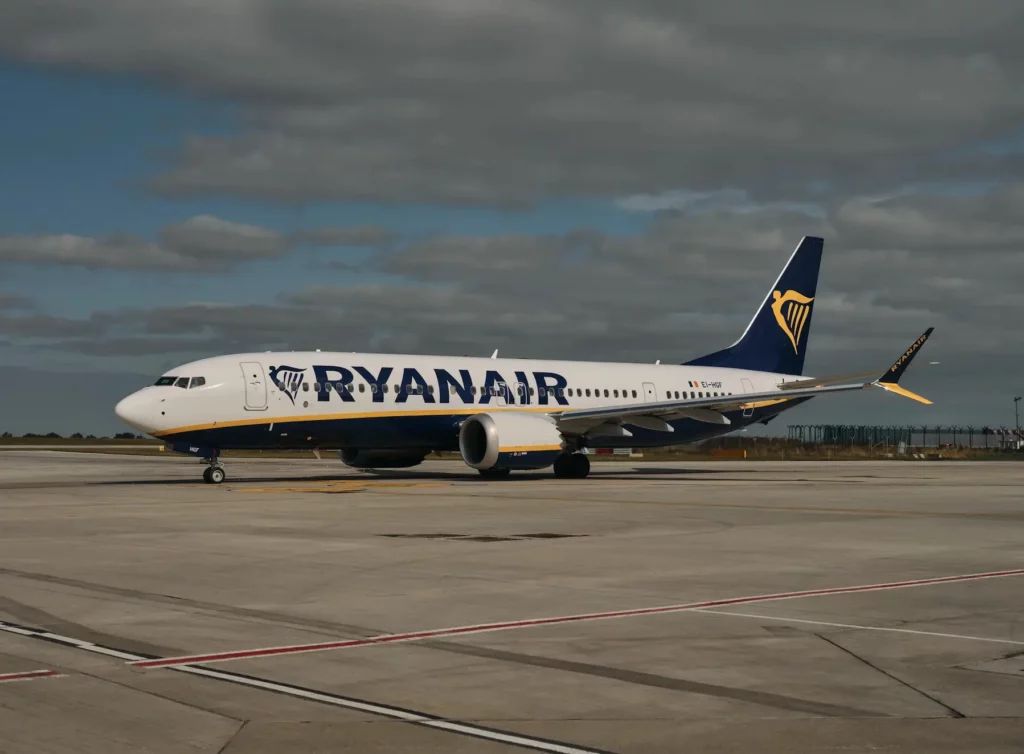
European airlines are postponing signing new price hedges for jet fuel in the hope that prices will fall in the coming months.
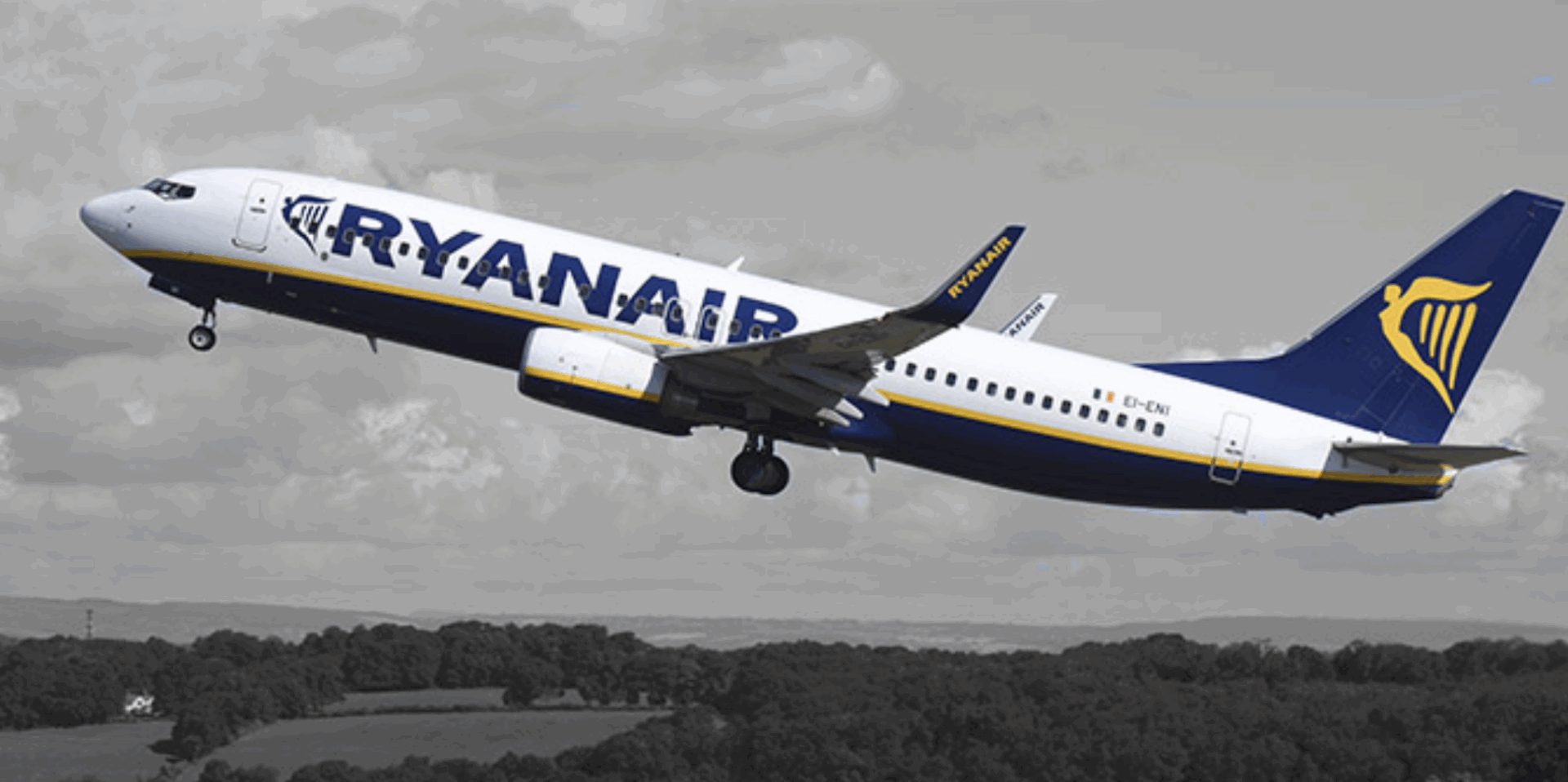
”"We will be greedy," Ryanair CEO Michael O'Leary told the Financial Times.
The initiative is an attempt to reach a quick solution to the price increases that have resulted from the conflict in Iran, which could expose the companies to further price increases.
European airlines have secured around 80 percent of the fuel they need for this year and typically sign new price hedges on an ongoing basis to lock in future prices.
”I don’t think we’ll be hedging in the next three months,” Ryanair CEO Michael O’Leary told the Financial Times, adding: ”It’s clear that nobody is hedging now with these kinds of prices.”
The price of jet fuel has risen to $180 per barrel, while the spread against Brent crude has also widened as the conflict drags on. About 40 percent of the world's jet fuel passes through the Strait of Hormuz.
There is a ”significant flow from Kuwait, Saudi Arabia, Abu Dhabi that is trapped on the wrong side of the strait,” according to a former fuel trader. China, which was one of the largest suppliers of jet fuel, has also halted exports.
Despite this, markets are predicting a price drop this year. Michael O'Leary said that long-term jet fuel prices in the summer of 2027 were still at $75 to $80 per barrel: "We're going to be greedy and wait until we can hopefully get below $70.".
Germany's Lufthansa also said it had paused price hedging since the conflict began three weeks ago. Like many of its European rivals, the airline said it had locked in about 80 percent of its fuel costs for this year "at pre-crisis levels.".
Source: Nyhetsbyrån Direkt-DI.SE