



Pets on the move, tailored hospitality, direct flights, pop culture influence and innovative travel planning take center stage as Amadeus presents its travel trends for 2026.
Amadeus presents its travel trends for 2026 – an in-depth analysis of the drivers that will affect how we travel in the coming year and beyond.
In collaboration with the trend analysis agency Globetrends, and based on Amadeus’ extensive data and insights, the report identifies six key trends expected to shape the travel market in 2026. It also offers a preview of the emerging and innovative destinations that will impact how travelers discover and experience the world in the years to come.
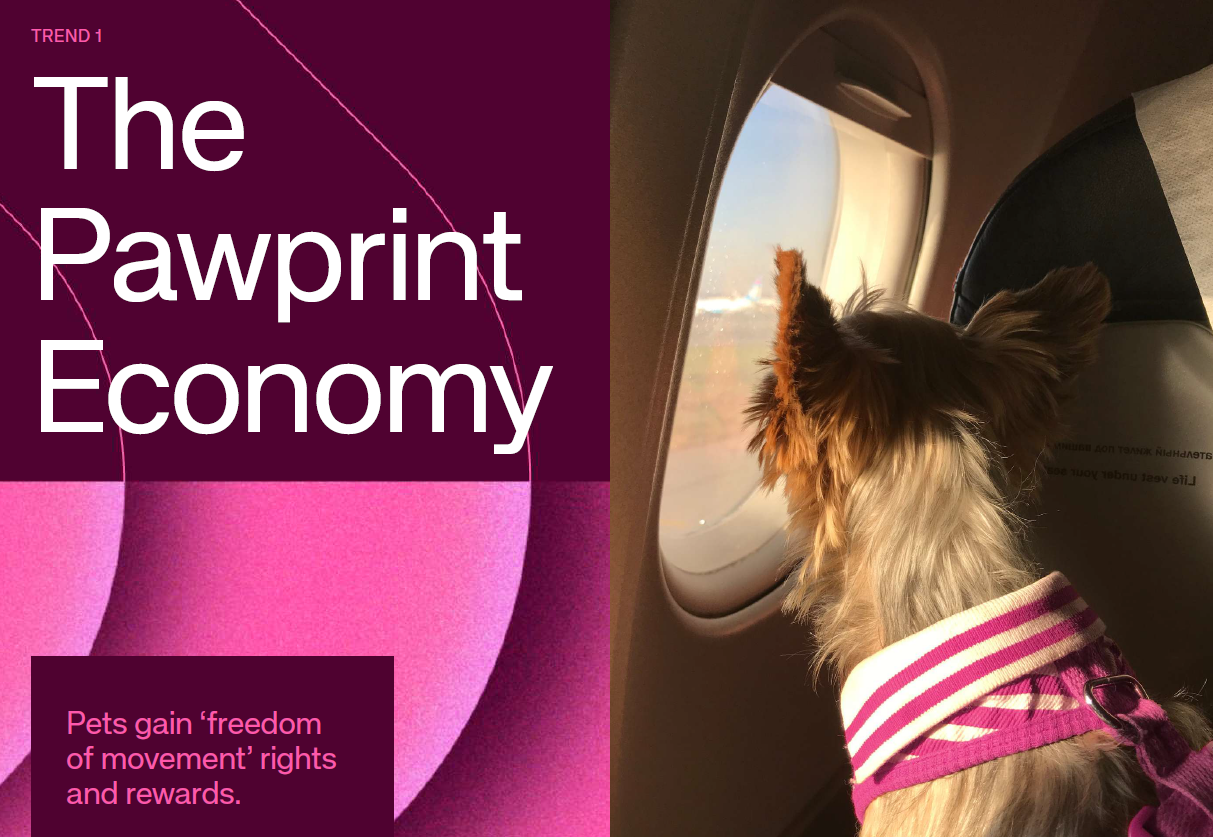
1. The Pawprint Economy: The Role of Pets in the Future of Travel and Experiences
Read more about Amadeus travel trends for 2026 below.
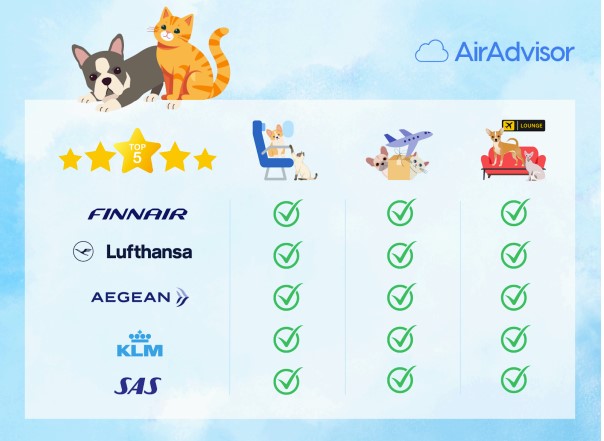
Pets are companions who deserve genuine care. Now, new technology, legislation and innovation are driving solutions that put animals' needs at the forefront of travel.
This is not just a matter of consideration – it is a thriving market. Bloomberg predicts that the global pet industry will reach a value of USD 500 billion by 2030, and research from Shape Insight shows that pets are traveling more than ever. In a study of 2,896 travelers in the UK and US, 27% of pet owners said their main holiday in 2025 was the first time they brought their pet with them.
The innovations are already here:
- China Railway Express is testing pet-friendly travel on the busy Beijing–Shanghai route, paving the way for a broader launch.
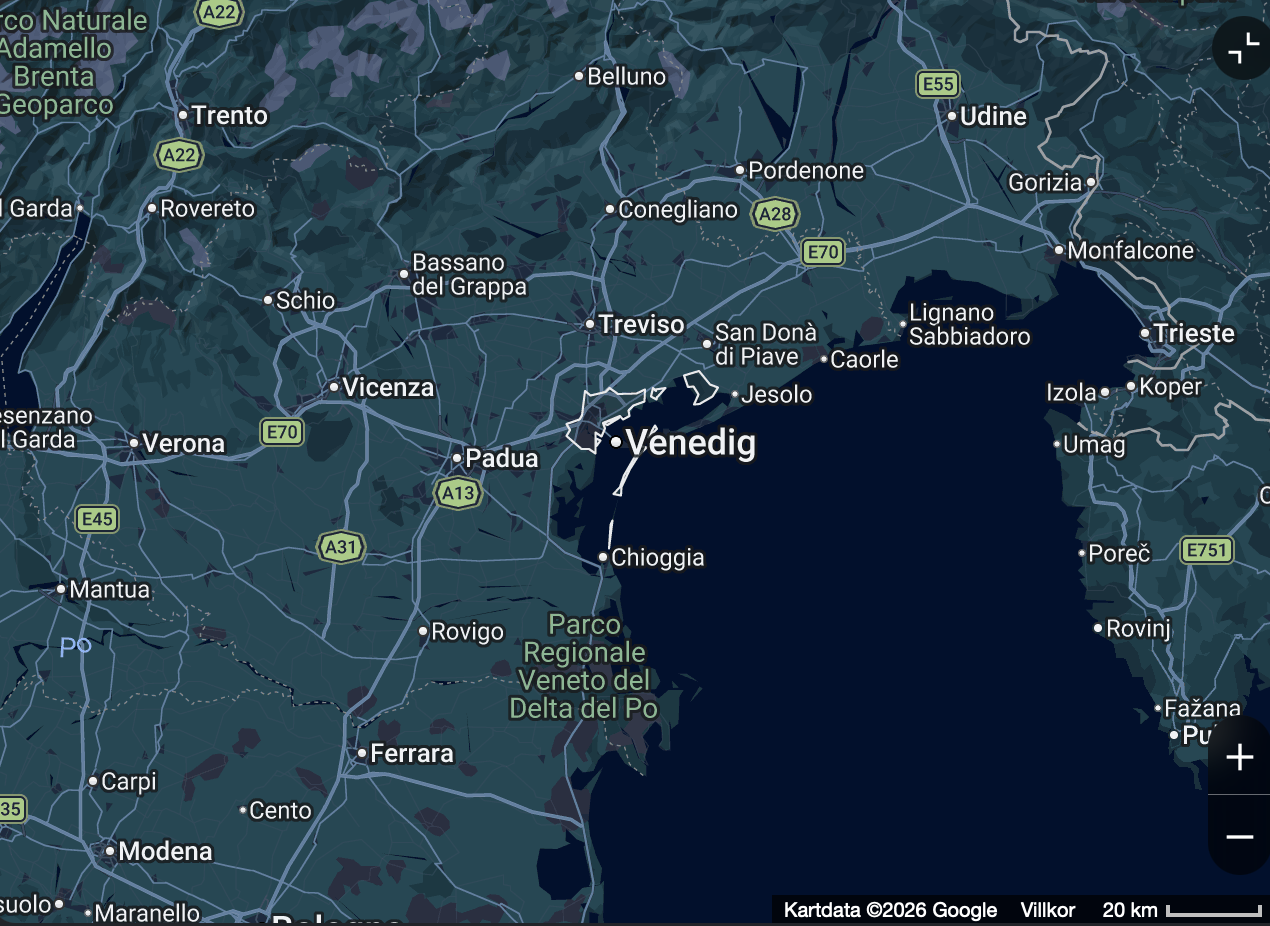
- In Italy, medium and large dogs allowed into the passenger cabin according to new rules from the civil aviation authority ENAC.
Exclusivity also increases:
- SkyePets launches long-haul flights across the Pacific in 2026 where pets are allowed to travel in the cabin.
- AKA Hotels integrates pets into its loyalty program with new Canine Club.
Amadeus predicts that 2026 will be the year when genuine care for our four-legged companions takes its place on the agenda.
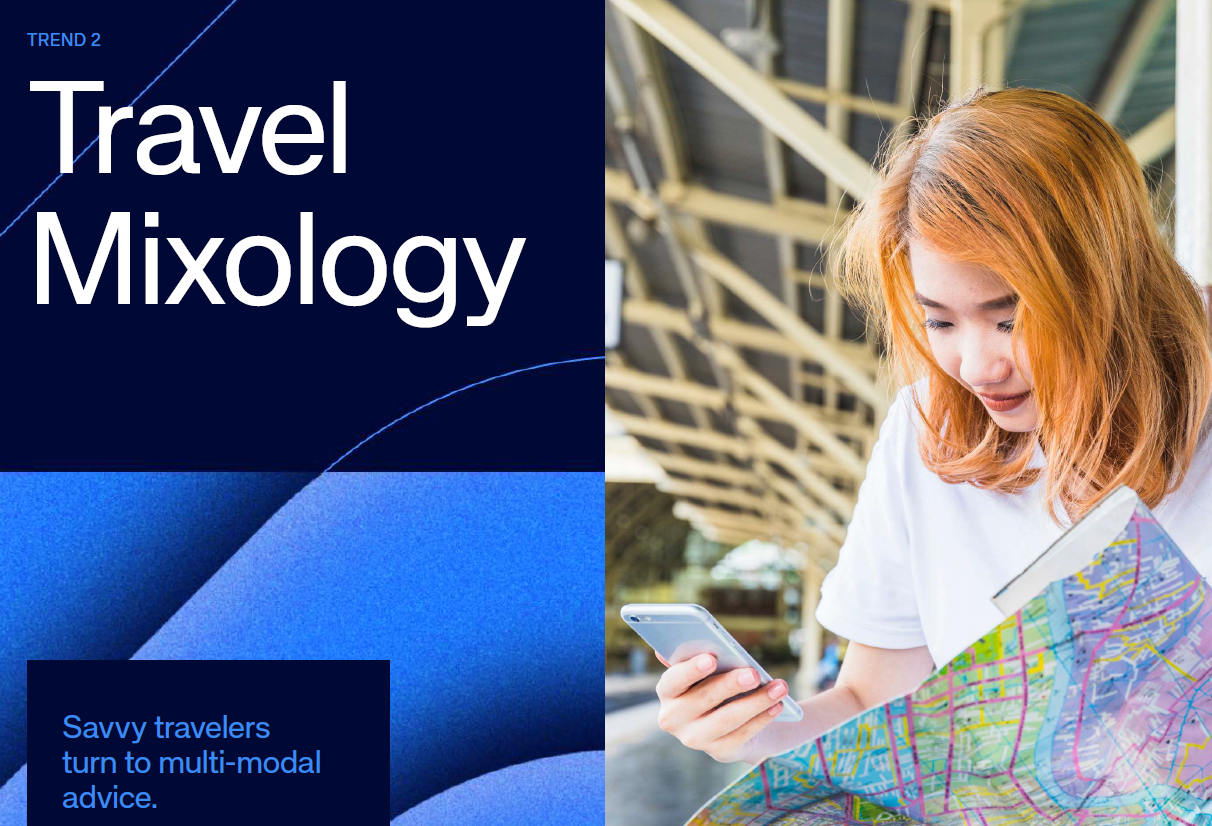
2. Travel Mixology – the next level of travel planning
Travel Mixology is about how savvy travelers combine platforms and technologies to create the perfect trip. They might start by using large language models (LLMs) to get a holistic view and consensus, supplement with Reddit or YouTube for authentic experiences, and then enlist the help of brands’ AI assistants for personalized suggestions based on past search behavior. Some choose to skip the steps altogether and create their own solutions using multiple tools.
The goal is the same: a flexible and multifaceted travel planning that combines machine speed with human authenticity.
In 2026, these active travelers are expected to take center stage, driven by new platform integrations that provide unparalleled convenience and value.
- Google Flight Deals uses Amadeus warehouses to display destinations and affordable flight options based on open-ended questions – you don't even need to have a destination in mind, just describe the mood.
- Trip Matching from Expedia allows Instagram users to transform visual content into complete itineraries with booking links.
2026 will be the year when Travel Mixology sets the pace, with a methodology that balances both human insights and AI-driven recommendations.
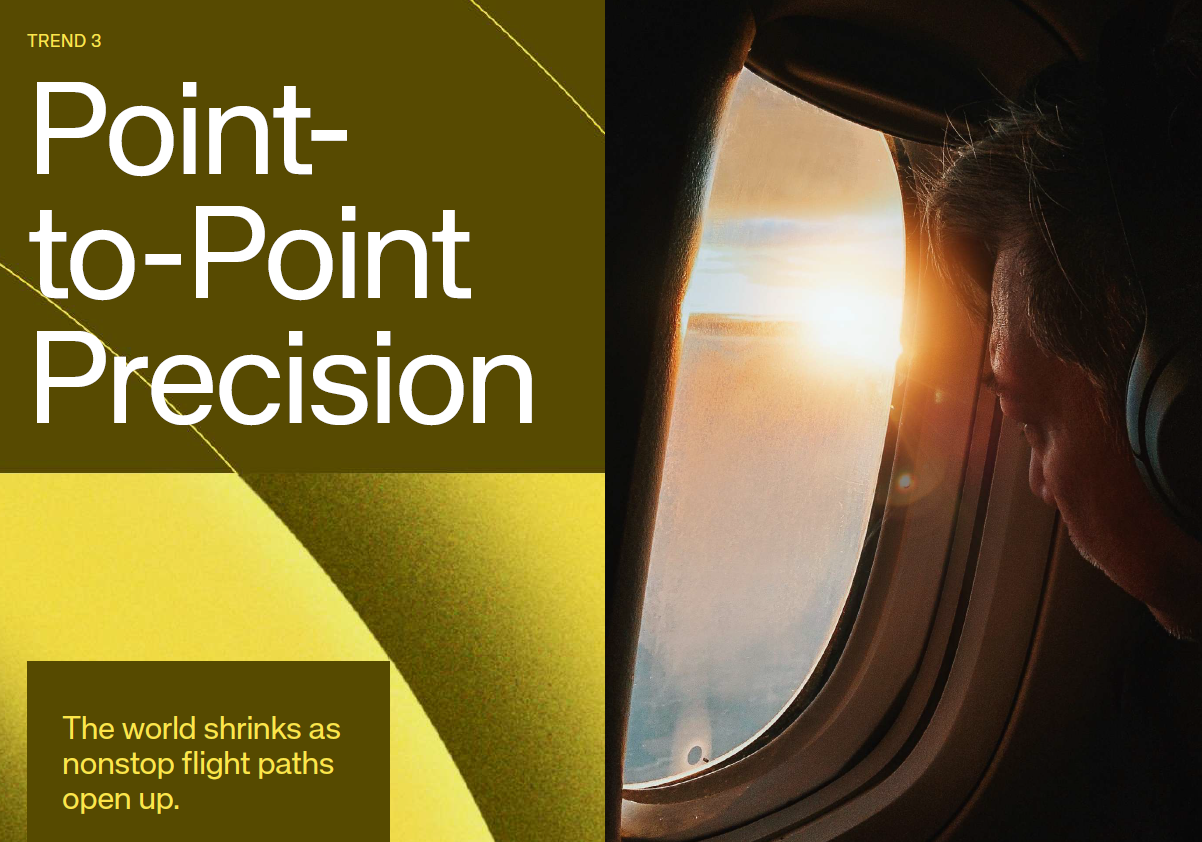
3. Point-to-Point Precision – a new era for long-distance travel
Innovations in aerospace technology continue to shrink the world, reduce travel times and bridge cultural distances. This will become even more evident in 2026 as new fleets of long-haul narrow-body aircraft take to the skies.
The driving force behind the trend is Airbus A321XLR, equipped with an additional fuel tank that increases the range by 700 nautical miles (compared to the long-haul version). When the model was launched in 2019, airlines globally ordered over 500 units – the first were delivered in the second half of 2025, and more models with extended range will enter service in 2026.
Examples of new direct connections:
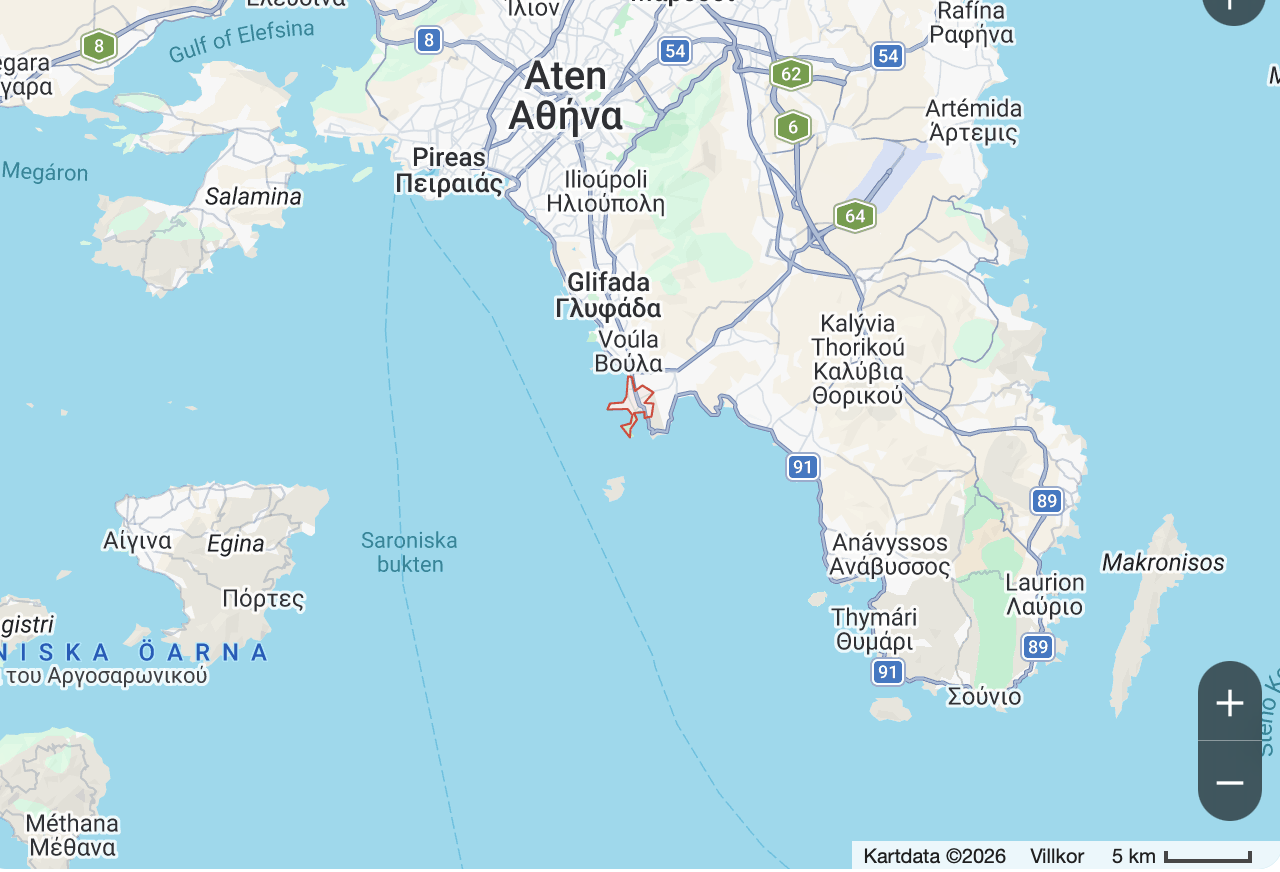
- Indigo opens the first route between India and Athens in January 2026.
- Air Canada connects Montreal and Mallorca for the first time.
- According to Amadeus Travel Intelligence By early 2026, narrow-body aircraft will account for almost 10 % of Iberia's long-haul flights, including seven routes between Madrid and America.
- Qantas Project Sunrise will be a real game changer: A350-1000ULR aircraft will offer direct flights Sydney–London and Sydney–New York, up to four hours shorter than today's routes.
Next year marks a new era for air travel, with journeys that once felt like marathons becoming sprints – opening the door to more cities and far-flung destinations.

4. Pop Culting – Brands Driving the Next Wave of Travel
From Labubus until Bridgertoncultural brand giants have demonstrated their power to create fan frenzy. Labubus reached sales of approximately 1 billion USD in 2025, while Visit Bath expects Netflix hit Bridgerton to contribute around 5 million pounds a year to the local economy.
From 2026 onwards, smart brands will lean on IP to build lasting relevance.
- Seoul Tourism Organization is a pioneer with a holistic experience around the film KPop Demon Hunters: fans can create traditional knot bracelets worn by the characters, taste special dishes, and learn K-Pop dancing by the beautiful Cheonggyecheon stream.
- Interest in established fandom events is also increasing. According to Amadeus Travel Intelligence searches for international flights to San Diego during Comic-Con have increased by 9 % before 2026 compared to the previous year.
Early signs show that pop culture's influence extends far beyond 2026. Universal Studios Great Britain begins construction of a new theme park in 2026 – a European hub for brand-based experiences, complemented by hotels and restaurants.
For travel brands, this trend represents a chance to take consumers beyond the screen and create portals for human encounters and the sense of belonging.
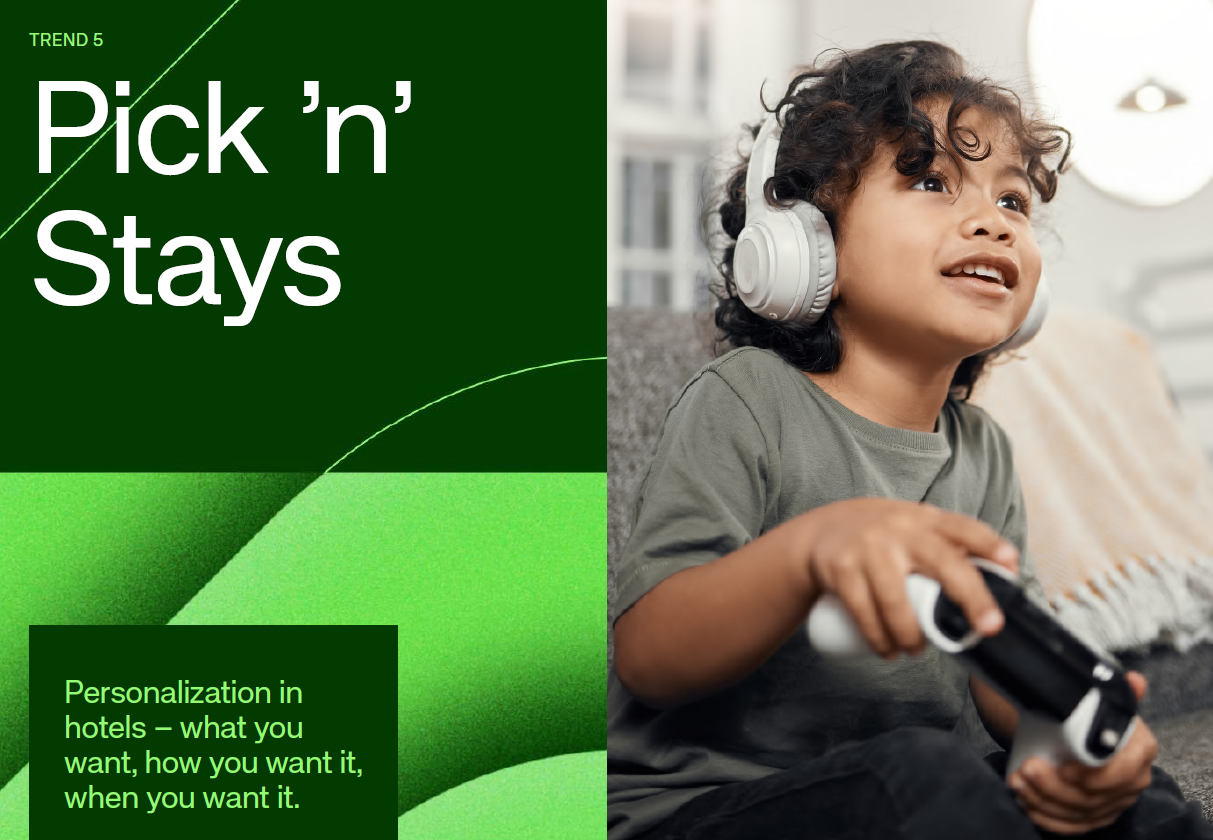
5. Pick 'n' Stays – tailor-made hotel experiences
New technology gives hotel guests the freedom to choose every detail in their room – from Pilates machines and blackout curtains to wrap-around screens for focused work or a room just steps from the breakfast buffet.
This personalization is driven by innovation in central reservation systems (CRS), the software that manages reservations, availability and pricing. New solutions, such as Amadeus iHotelier, makes it possible to specify design elements that were previously difficult to book:
- A spacious room that doubles as a VR game room or home theater
- Superior soundproofing that transforms a suite into the perfect remote workspace
Pick 'n' Stays reflects a broader consumer trend: as AI accelerates, personalization is no longer a luxury, but a basic requirement. As generative AI reaches mass adoption through app integrations from Meta and Google, categories like ’standard’ or ”premium” will feel outdated.
In this new landscape, Pick 'n' Stays will not be an extra benefit – but a strategic differentiatorwhich helps hotels maximize revenue and offer guests stays that feel tailored down to the smallest detail.
Maher Koubaa, Executive Vice President, EMEA, Amadeus, says:
”Across Europe, the Middle East and Africa, we are seeing travelers embrace new opportunities that are redefining the way travel is experienced. From the rise of pet-friendly travel and AI-powered planning tools to expanded point-to-point routes that connect our region closer to the world, innovation is changing expectations. Pop culture is inspiring new forms of tourism, while hotels are offering a level of personalization that reflects individual lifestyles. These trends point to a future where travel is more inclusive, connected and tailored than ever before – and EMEA will play a central role in leading this transformation.”
Jenny Southan, CEO of Globetrends, adds: ”The future of travel is accelerating – driven by technology, culture and innovation. At Globetrender, we continuously analyze changes in consumer behavior based on our framework of ten global megatrends, from climate change to youth culture. The rapid pace of transformation in the mid-2020s is creating an accelerated cycle in the travel industry, where influences cross-fertilize each other and inspire both companies and individuals to act.
While people’s basic needs remain the same, their reactions to marketing, news feeds, and pop culture are changing. As we enter the latter half of the decade, 2026 will feel more like science fiction than any previous year.”
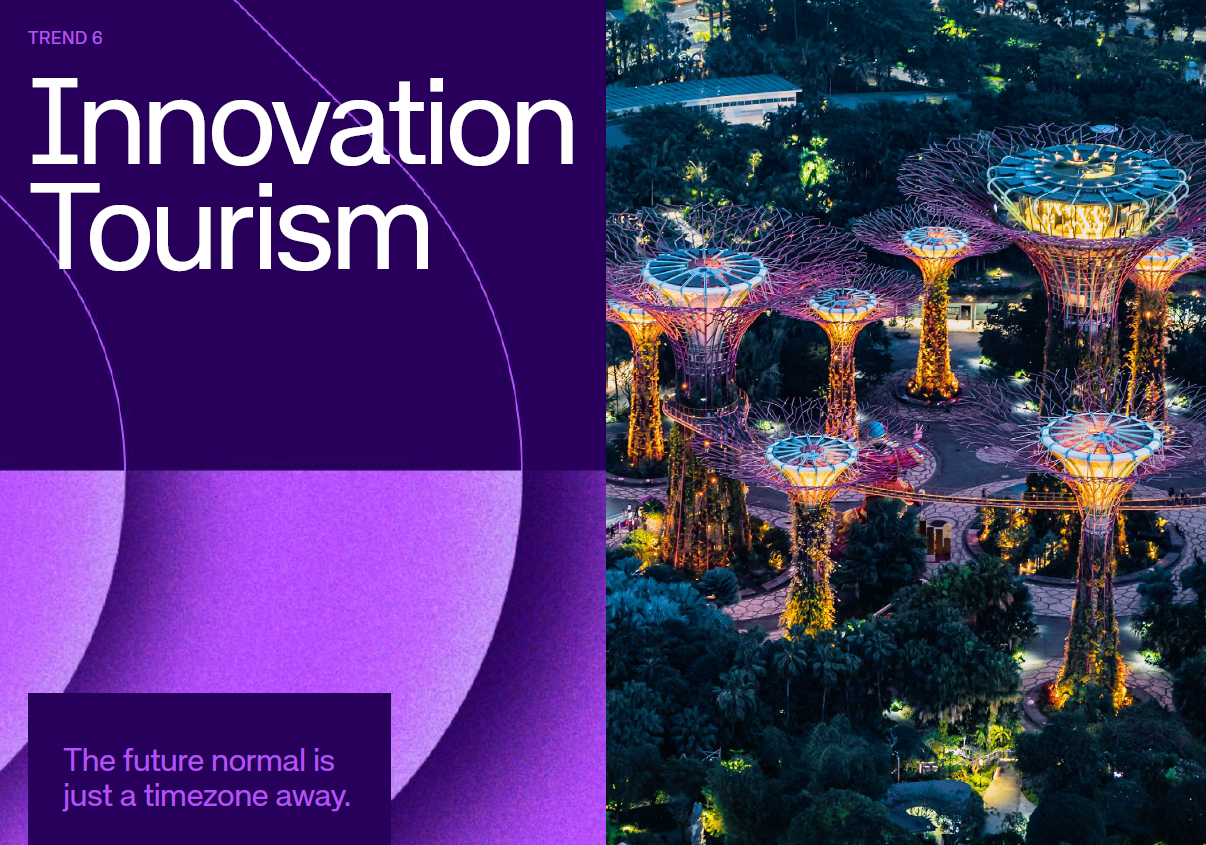
6. Innovation Tourism – The travel of the future
Imagine this: chrome robots handling luggage and escorting travelers to connecting trains. Tickets are purchased with a swipe of the hand in tunnels glowing with holographic projections. After 3D-printed room service, a park awaits for relaxation, where chilled natural wine is delivered by drone – precisely to your coordinates.
This is not science fiction. It is reality – if you know where innovation is happening, you can experience the future today.
Shenzhen, China's innovation hub, now attracts far more than business travelers. According to Amadeus Travel Intelligence flight searches for the first half of 2026 have increased by 48 % compared to the same period the previous year – a clear sign of the city's growing attractiveness.
The technology is also rolling out globally:
- United States of America gets additional 2,000 autonomous vehicles in 2026, and London follows. Waymo and the UK's Wayve are already building fleets ahead of the legislation on automated vehicles that comes into effect in 2027.
- Wearables takes the next step. Apple design icon Jony Ive will launch OpenAI's first hardware device in 2026. AI-powered earbuds for real-time translation already exist – but researchers at Coller Foundation suggests the next frontier: interspecies translation. Such an innovation could transform conservation and safari travel.
Those who invest in innovation tourism captures a new group of travelers – curious pioneers who want to show off their progressive tastes. For them, the passport stamp is secondary; the real souvenir is the story of how they caught a glimpse of tomorrow before anyone else.
Here you can take part in the whole report