



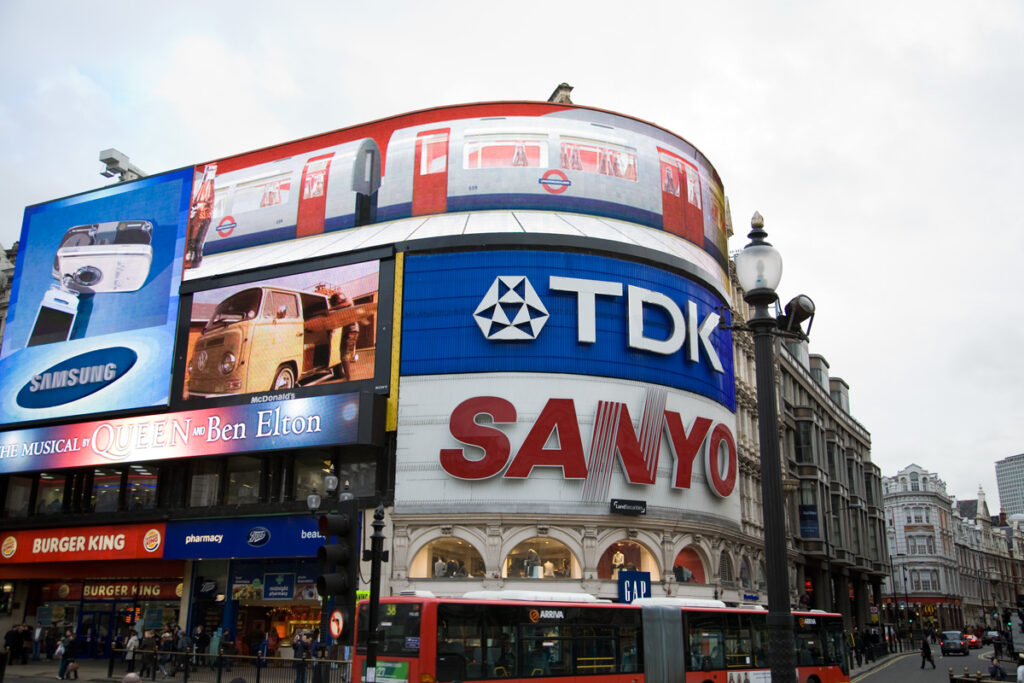
On Monday, British stores will be allowed to reopen after the corona lockdown.
With it comes £22 billion in lost revenue and a continued fight for survival.
It is a much-anticipated and for many an absolute necessity if one is to survive. After 15 weeks – in some places even longer – of complete lockdown, British shops, gyms, pubs and hair salons can now reopen.
The country, which has been one of the hardest hit during the corona pandemic in terms of death toll, has been forced into several total lockdowns to curb the spread of the infection, and just like in the rest of the world, it is primarily the retail and service sectors that have taken the biggest economic hit.
For the British part, it is a staggering 22 billion pounds, equivalent to 257 billion Swedish kronor, according to the business organization BRC.
In 2020, sales in stores, excluding grocery stores, decreased by 24 percent compared to 2019, according to BRC, in connection with the country implementing a total of three complete lockdowns.
Now, for the first time in a year, clothing stores will be allowed to have their changing rooms open, and in the makeup departments of department stores, customers will be able to try out different beauty products with the help of staff. This is after mass vaccination has gained momentum and Britain is one of the countries that has so far vaccinated the largest proportion of its population.
”"Customers are excited to come back. When we've opened before, we've seen a lot of emotion and we're a part of people's lives if they have a store nearby," Pippa Wicks, CEO of the John Lewis chain, told The Guardian.
In particular, increased sales are expected for clothing and beauty products. In recent weeks, there has been an increase in sales of handbags, makeup and dresses via online shopping as consumers expect to be able to interact socially again.
The newspaper has visited a hair salon in Old Harlow where the owner, Emma Stillwell, has used the lockdown to renovate her salon.
”"My employees have been climbing the walls. They've been so bored and cutting dolls' hair at home," she tells the newspaper.
The pressure is also great, the salon is fully booked through May.
However, challenges remain for many businesses. The John Lewis chain has previously announced that it will close around 15 of its 200 stores. Classic chain Debenhams is now opening up but only to sell out its range after the pandemic was the definitive downfall of the 243-year-old chain.
As in Sweden and elsewhere, many brick-and-mortar stores are struggling to cope with e-commerce. In January, a third of retail sales were online, according to the UK's Office for National Statistics, compared to 14 percent five years ago.
Shoemaker Danny Rogers is still positive, however:
”We have survived recessions and even an IRA bomb, although this has been the toughest time yet,” he tells The Guardian.
Source: TT