



Catalonia wants to move from tourism volume to value and attract more travelers outside the high season and Barcelona. At the same time, efforts are being intensified to combat overtourism in particularly burdened places, while revenue from the tourist tax is to be used to a greater extent for projects that benefit the local population. The Nordic region, with around 700,000 visitors, is identified as a strategically important market.
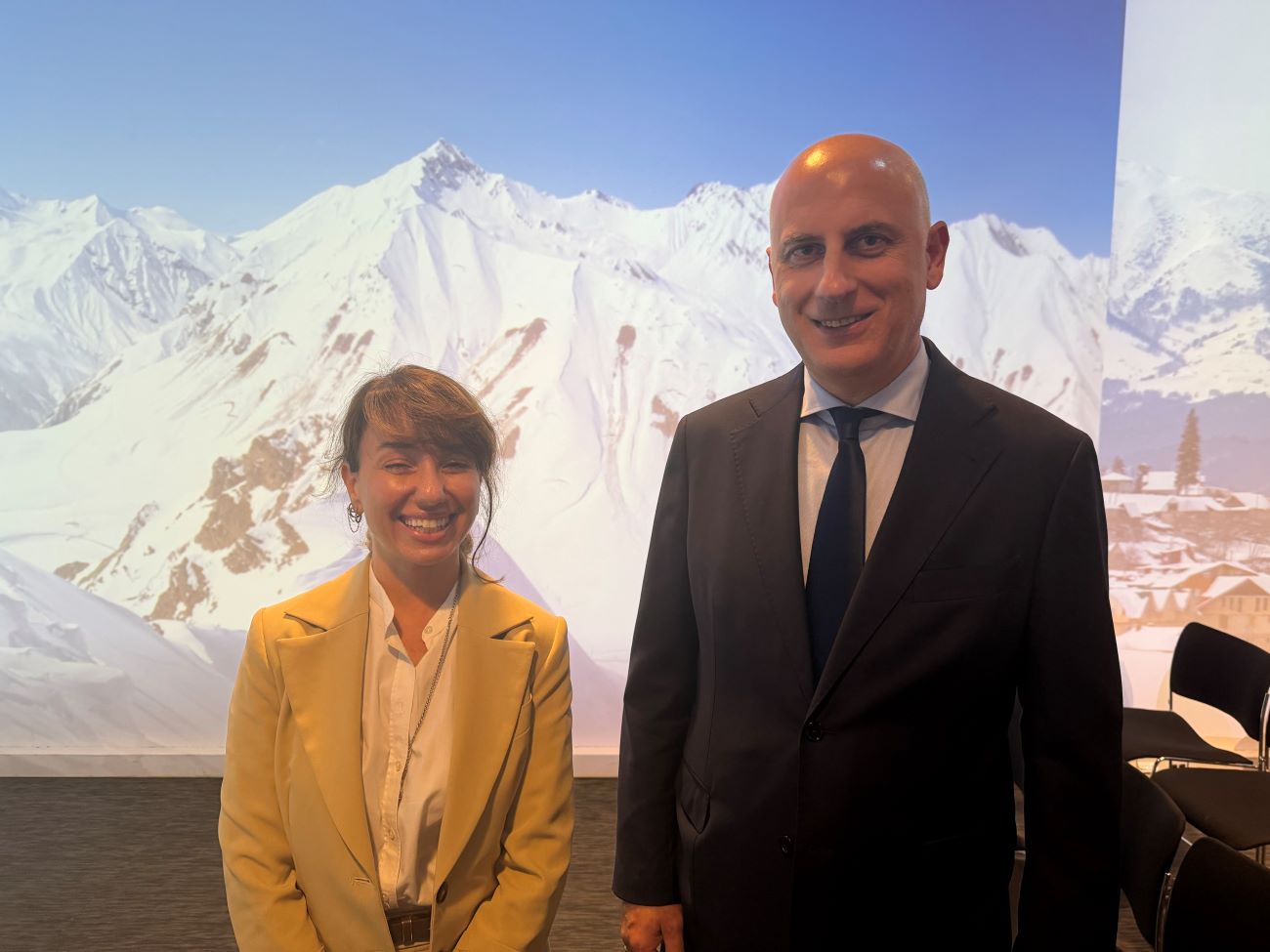
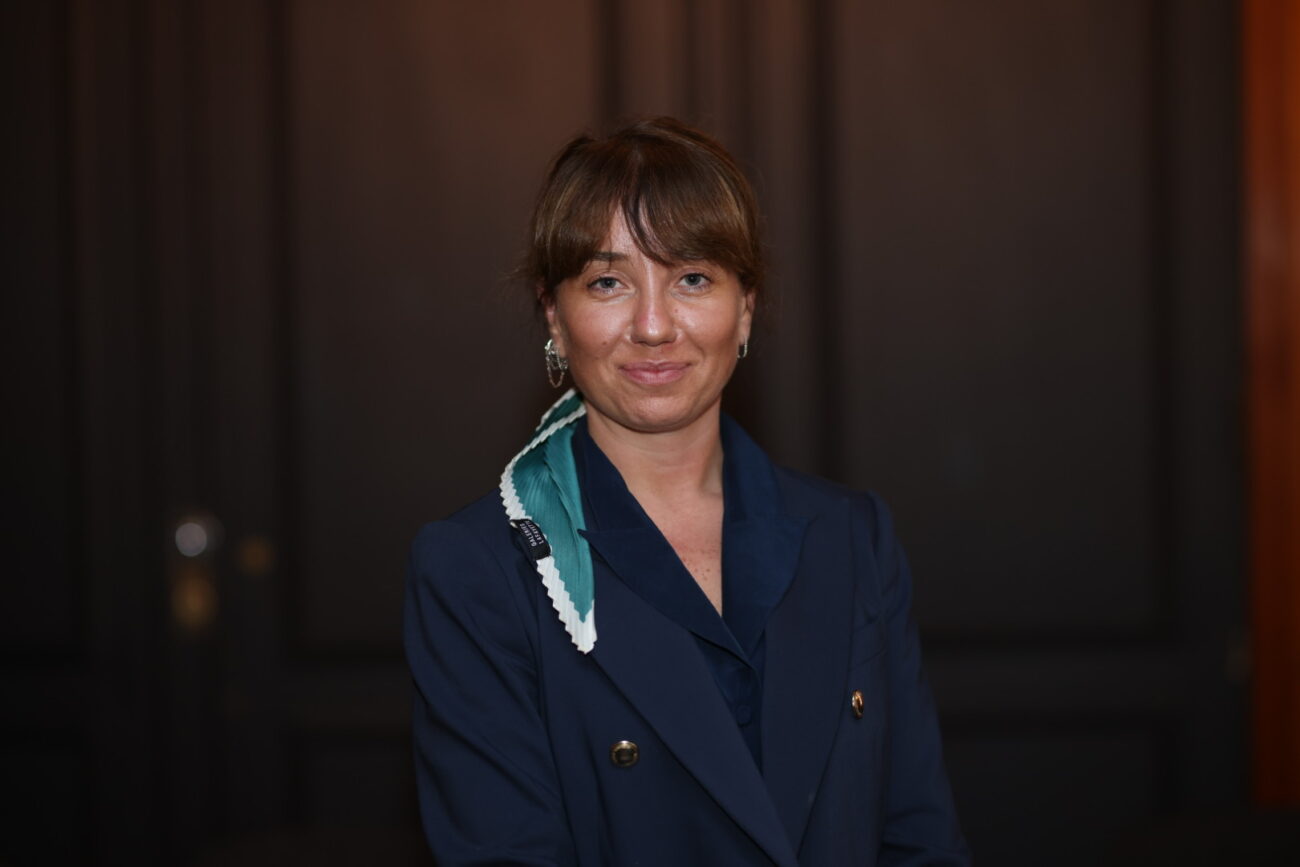
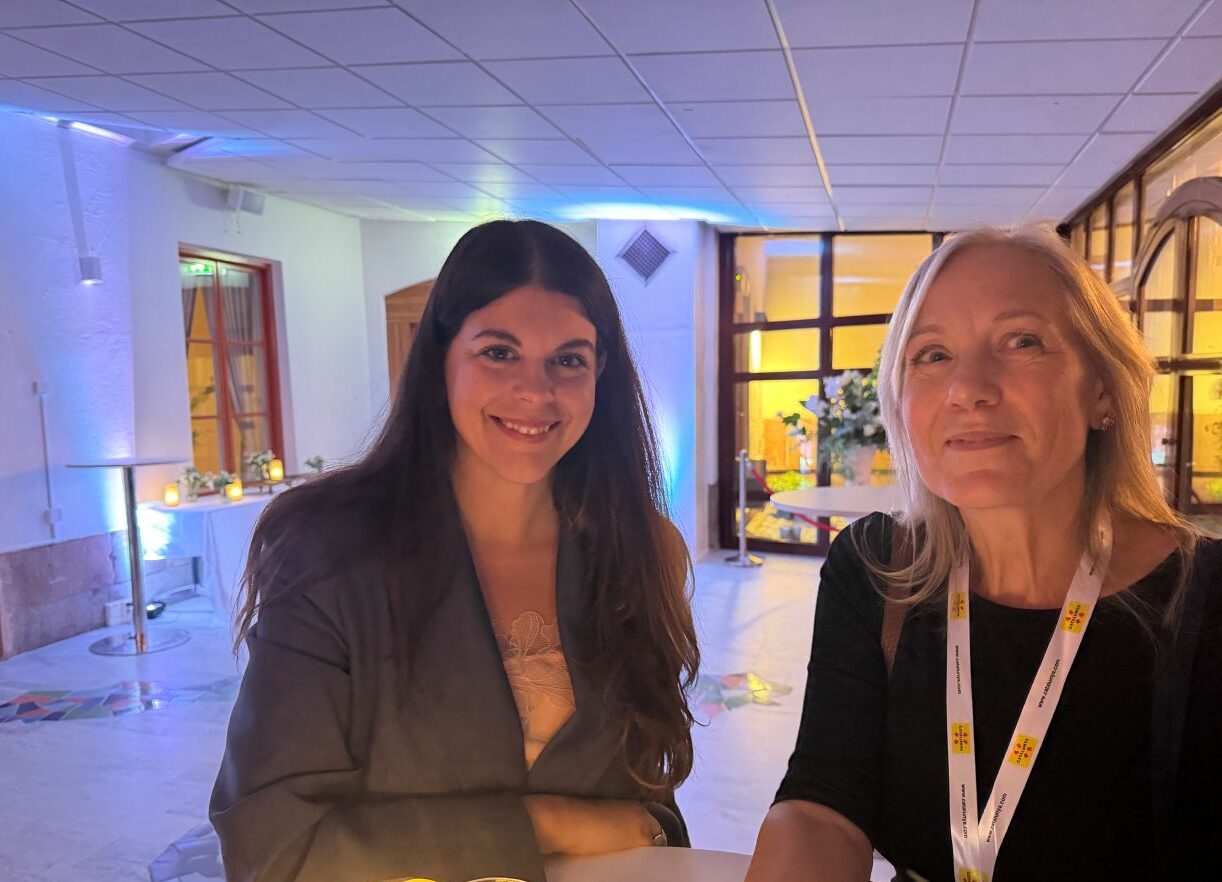
It tells Arantxa Calvera, Director General of the Catalan Tourist Board, in an interview about Catalonia's new tourism strategy.
The strategy is based on attracting what the region describes as more conscious travelers. Instead of traditional sun and beach tourism, Catalonia wants to attract visitors who seek local culture, gastronomy and nature and who spend money at local businesses.
The goal is for a larger portion of tourism's economic value to stay in the region and be distributed among more industries and local communities.
According to Arantxa Calvera, tourism accounts for around 13 percent of Catalonia's GDP and employs over 500,000 people.
Overtourism concentrated in parts of Barcelona
Arantxa Calvera emphasizes that overtourism is not a problem throughout Catalonia but is mainly concentrated in certain parts of Barcelona. The area around the Sagrada Família is mentioned as an example.
Several measures are being used to manage visitor pressure, including time-limited tickets to popular attractions, restrictions on hotel capacity, and measures against illegal short-term rentals.
According to Calvera, Barcelona also plans to close a cruise terminal.
The aim is both to reduce the burden on residents and to improve the experience for visitors.
Tourist tax is used for schools
The use of the revenue from the tourist tax has also changed. The money will not only go back into marketing and other tourism-related initiatives, but will also finance projects for the local population.
One example that Calvera highlights is the installation of air conditioning in public schools to deal with rising temperatures associated with climate change.
It is part of the ambition to more clearly show how revenue from tourism benefits residents.
Want to spread your travel throughout the year
Climate change is also affecting Catalonia's strategy. The region wants to get more international visitors to travel during spring, autumn and winter instead of concentrating travel in the hottest summer months.
This will both reduce the burden on destinations and make it possible to create more stable year-round employment in the tourism industry.
Traveling outside the peak season also means that visitors can avoid periods of extreme summer heat to a greater extent.
The Nordic region fits the new strategy
Nordic travelers are highlighted as being of particular interest to Catalonia. According to Calvera, around 700,000 visitors come from the Nordic region, where Sweden has historically been a significant market.
Northerners are described as relatively experienced and well-informed travelers who often travel outside the high season and are inclined to discover other parts of the region than Barcelona.
Marketing is also changing. Broad campaigns are being replaced to a greater extent by digital marketing aimed at specific target groups and interests, such as wine enthusiasts and people who travel on their own.
Want to get more people to discover Catalonia outside of Barcelona
The wine regions are one of the areas Catalonia wants to highlight to international visitors. Vineyard visits are seen as a way to combine gastronomy with knowledge of the landscape, local ingredients and production.
Another area that Calvera particularly recommends is Terres de l'Ebre in southern Catalonia.
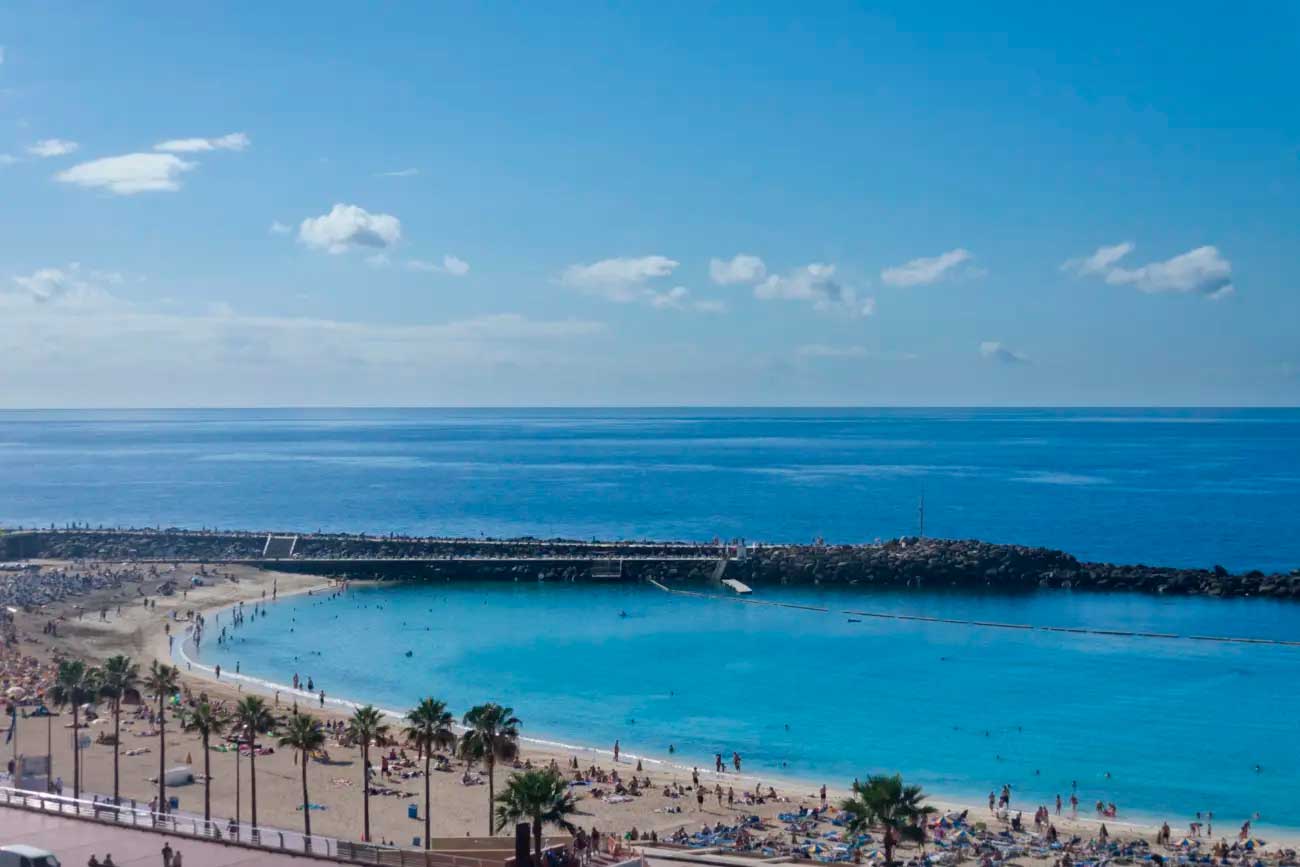
The region offers a significantly calmer environment than Barcelona, with beaches, rice fields, flamingos and a local food offering that, according to the interview, also has a lower price level than in the most visited tourist areas.
By directing more visitors to such areas and to other parts of the year, Catalonia hopes to combine continued tourism growth with greater economic benefits for local residents and less strain on the most visited sites.