



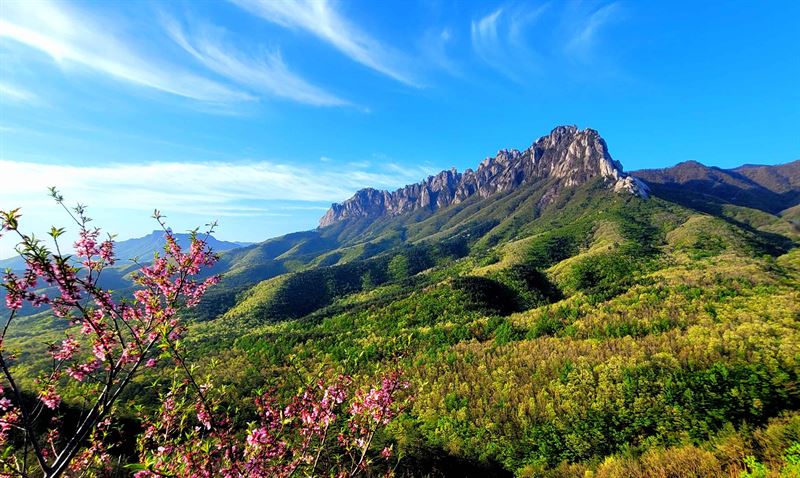
South Korea is internationally known for K-pop and K-dramas that have captured millions of fans worldwide. Beyond popular culture, there is another, perhaps underrated, side to the country's amazing national parks. Here you will find a combination of biodiversity, history and magnificent landscapes. From the granite peaks of Seoraksan to the volcanic landscape of Hallsan and on to the thousand-year history of Jirisan. Each individual park gives the visitor a unique experience.
The Korea Tourism Organization (KTO) presents five national parks that offer a more authentic experience of South Korea; quiet and green, beyond the usual tourist trails. These areas offer nature experiences far from the city's pulse, where traditions and untouched nature meet.
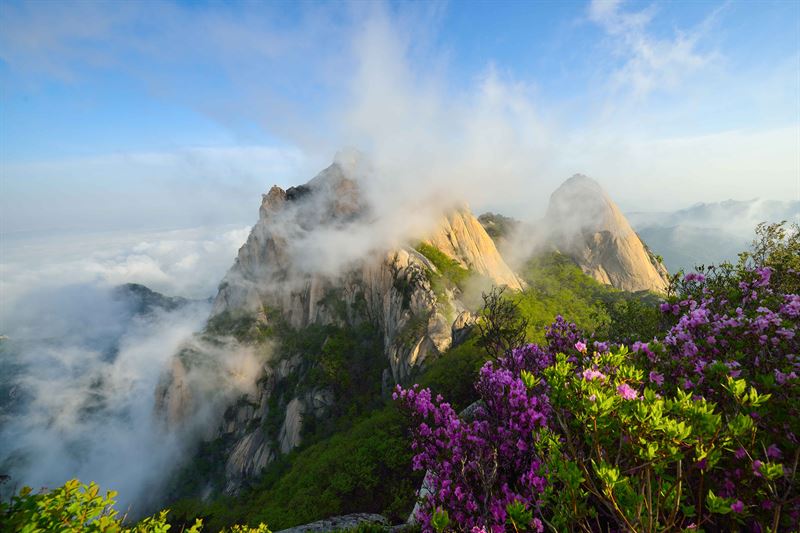
Bukhansan National Park
Located north of Seoul, Bukhansan is home to peaks, valleys, streams and historic temples. Here, you can find Bukhansanseong Fortress, dating back to 132 AD, and Insubongr Peak. Every season offers beautiful views from spring blossoms to autumn colors and winter snow.
Seoraksan National Park
Known for its towering peaks, some over 1,700 meters, Seoraksan is a popular destination for hikers. A highlight is the climb to Ulsanbawi, an impressive granite formation with sweeping views. The Seoraksan Cable Car offers an alternative for those who prefer a more comfortable ride. The adventurous can also try the challenging Dinosaur Ridge Trail, with spectacular views and tougher terrain.
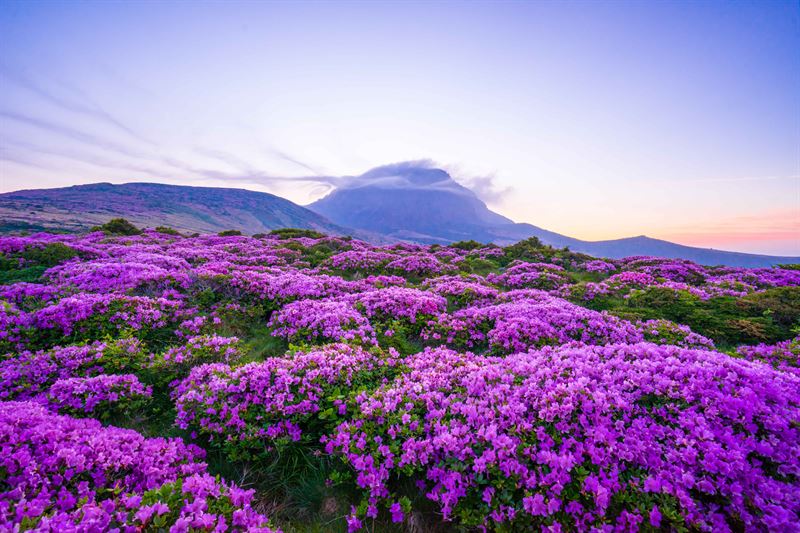
Hallasan National Park
Jeju Island's Hallasan National Park surrounds South Korea's highest volcano, 1,947 meters above sea level. The area is a UNESCO World Heritage Site and is home to a very rich flora and fauna. The park's most popular trails lead to the crater lake, and at the top you are rewarded with views of the entire island.
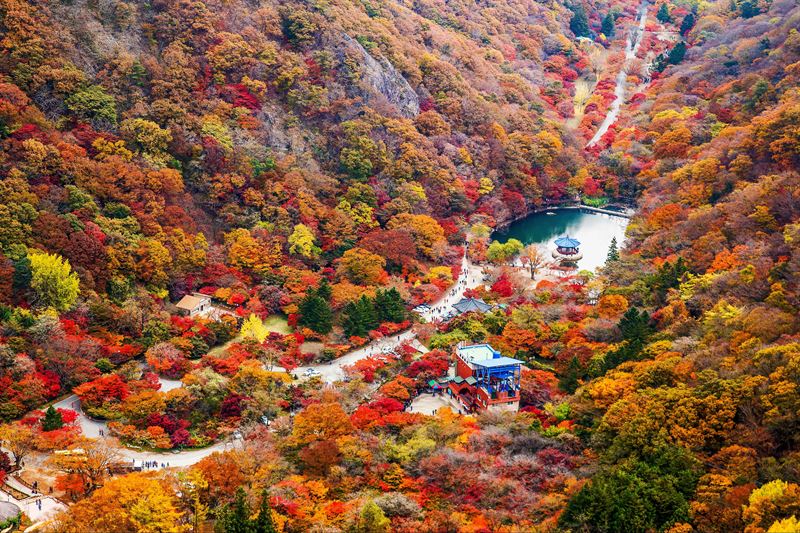
Naejangsan National Park
Naejangsan is particularly famous for its autumn splendor, but offers experiences all year round. With a wide range of hiking trails and cultural sites such as Naejangsa Temple, the park is suitable for both experienced hikers and beginners. Good transportation makes the area easily accessible.
Jirisan National Park
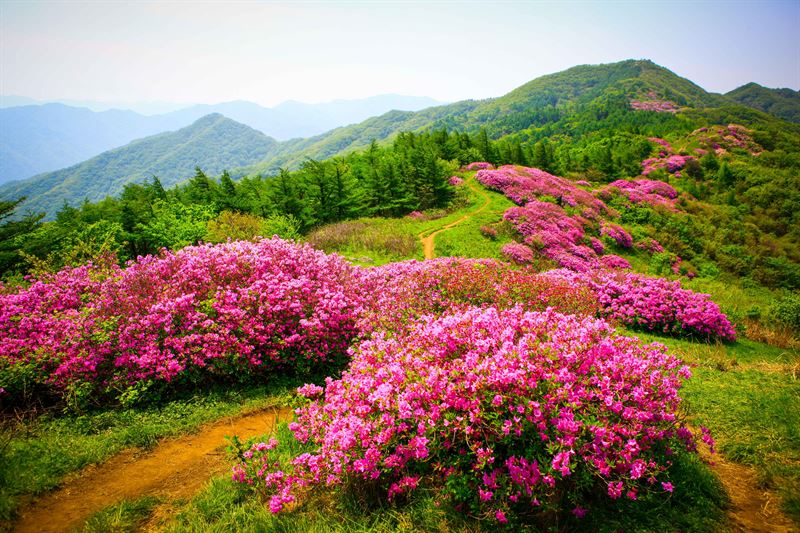
Established in 1967, this is South Korea’s largest land-based national park. It is home to Jirisan Mountain (1,915 meters) surrounded by forests and amazing biodiversity. In spring, cherry blossoms bloom, and in autumn, the leaves turn bright red. The park offers many trails, including the challenging hike to the top of Cheonwangbong. There are also seven historic Buddhist temples that reflect the region’s cultural heritage.