
Fewer hotels, limited number of visitors – and no more parties on the beaches.
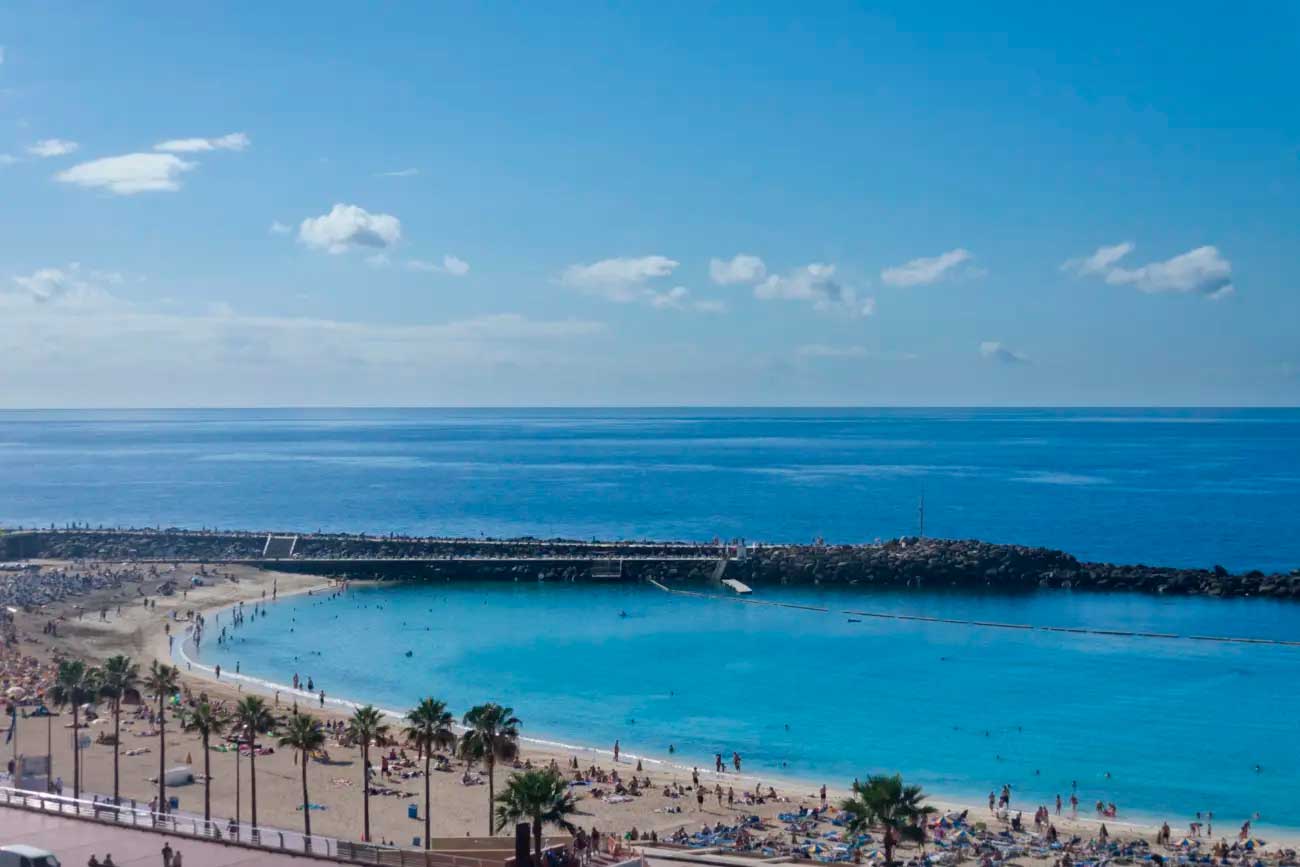
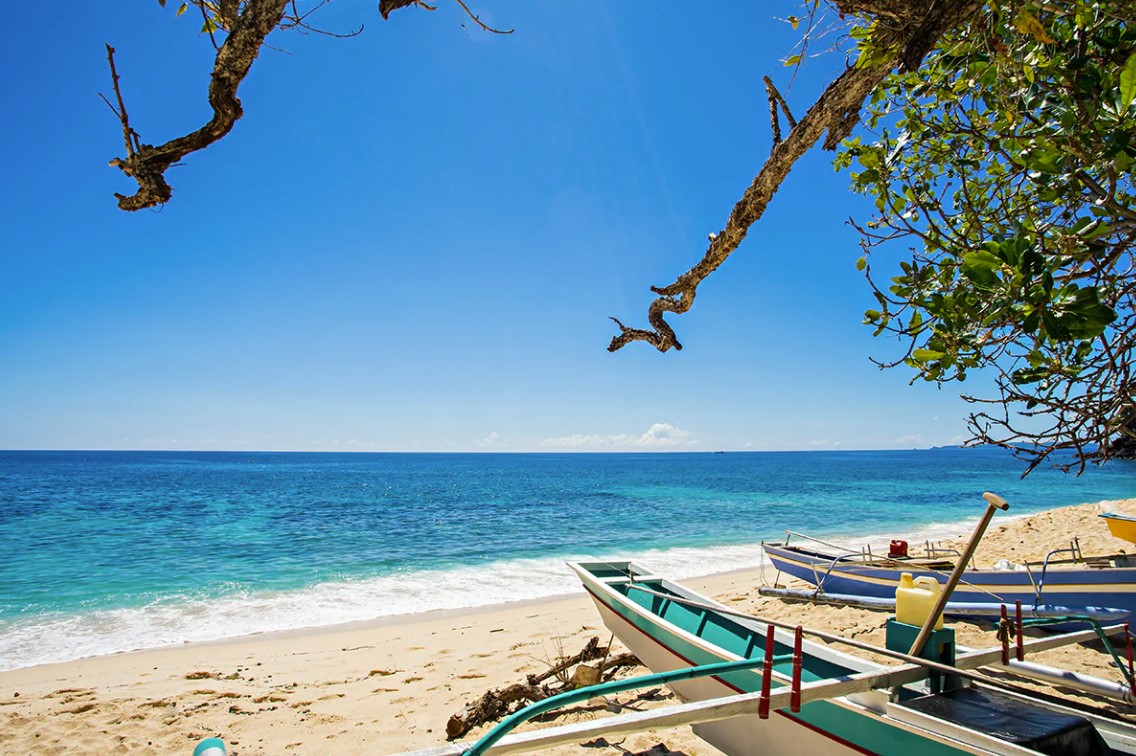
When the newly cleaned Philippine paradise island of Boracay reopens to visitors, it is with the hope that tourism will be more sustainable.
Some of the world's finest beaches had been turned into a cesspool of filth, Philippine President Rodrigo Duterte said before ordering the closure of Boracay in April in an effort to strengthen infrastructure and address overexploitation of the popular tourist destination.
The island is something of a crown jewel in the Philippine tourism industry, with around two million tourists each year. But when Boracay reopens its gates on Friday after six months, it will be with a series of restrictions aimed at protecting the white beaches and turquoise sea.
No beach parties
The number of hotels and restaurants has decreased and there is now a limit on how many people are allowed to arrive on the island each day: 6,405. In total, a maximum of 19,000 tourists are allowed on the island at the same time, according to Bloomberg, which quotes the country's environment minister.
In addition, drinking and smoking in public places are now banned – and the beach parties that attracted many visitors are a thing of the past. All water sports, except swimming, have met the same fate and the island's three casinos have been closed in accordance with Duterte's wishes.
Sustainability in focus
Philippine Tourism Secretary Bernadette Romulo-Puyat hopes the new Boracay will be the beginning of a culture of sustainable tourism in the country.
"We need to understand the consequences of our actions on the environment both now and in the future," she told AFP and other journalists.
While many agreed that the hordes of visitors had left a devastating mark on Boracay, the closure was criticized for being carried out in a brutal manner, without regard for the tens of thousands of tourism jobs that were affected.