The name change to Öresundslinjen is a step towards integration with the Molslinjen. The Öresundslinjen builds on the efforts that ForSea has begun with investments in customer experience, service offerings and sustainability.
First in the fleet will be the electric ferry Tycho Brahe, which will be back on the crossing on October 4, after a planned shipyard break, with the Öresund Line's new logo, colors and fresh interior. Shops, cafes and bars have been given new life and give everyone who travels a new experience. The self-service concept is more expanded for all car travelers who need a break on the road between Sweden and Denmark.
ForSea was named in 2018, when the then HH Ferries aspired to become the region's most sustainable transport company. To underline that ambition, the shipping company was named ForSea.
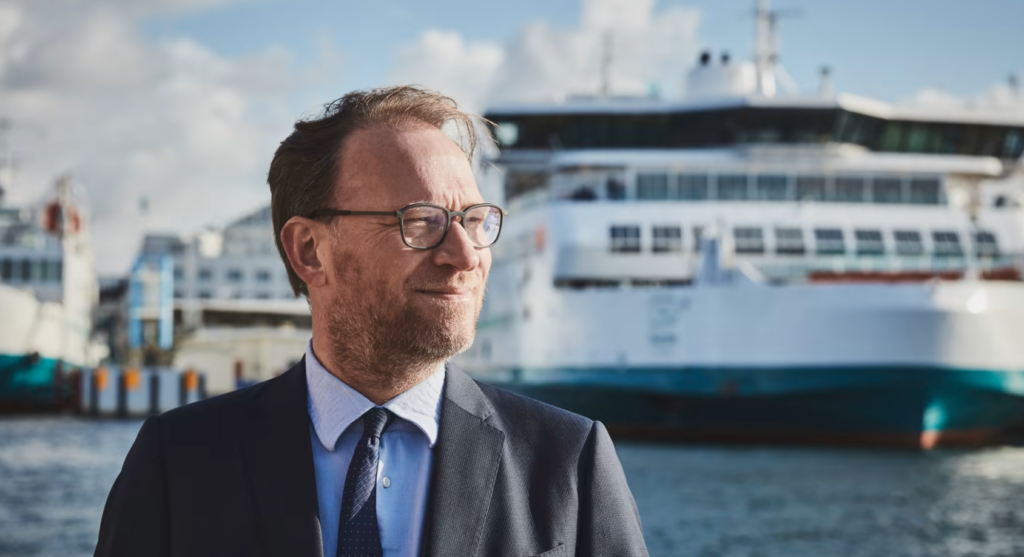
”"ForSea has been a strong brand with a focus on sustainability and it has been tempting to keep it, but after some consideration we believe that we should be incorporated into the Molslinjen line structure and ForSea will become the Öresundslinjen", explains Molslinjen's CEO, Kristian Durhuus.
He adds that the name change also signals a more geographical connection to the entire Öresund region.
The name change brings with it some new features. The experience of a nice break in the middle of the Öresund does not change. Here, the ferries with restaurants, shops and bars continue to create a unique meeting place, while also constituting a floating bridge between Sweden and Denmark.
”"We are starting the transformation slowly and calmly, so it will take some time before we can say that the name change and the entire rebranding of the crossing is complete. We are doing it at a pace that our almost seven million annual guests can keep up with,", says Kristian Durhuus.
In addition to the Öresund Line ferry crossing, the Mols Line, the Bornholm Line, the Samsø Line, the Als Line, the Langelands Line and the Fanø Line are also part of the same shipping company.
According to the press release.