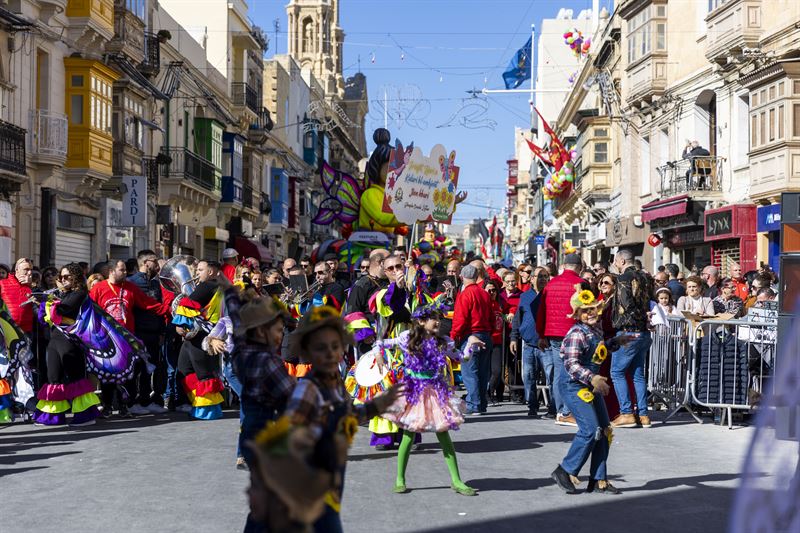
It's time once again for one of Europe's oldest carnival traditions. In mid-February, the capital Valletta and around fifty towns on Malta and Gozo transform into a celebration of parades, masquerades, dancing and local creativity.
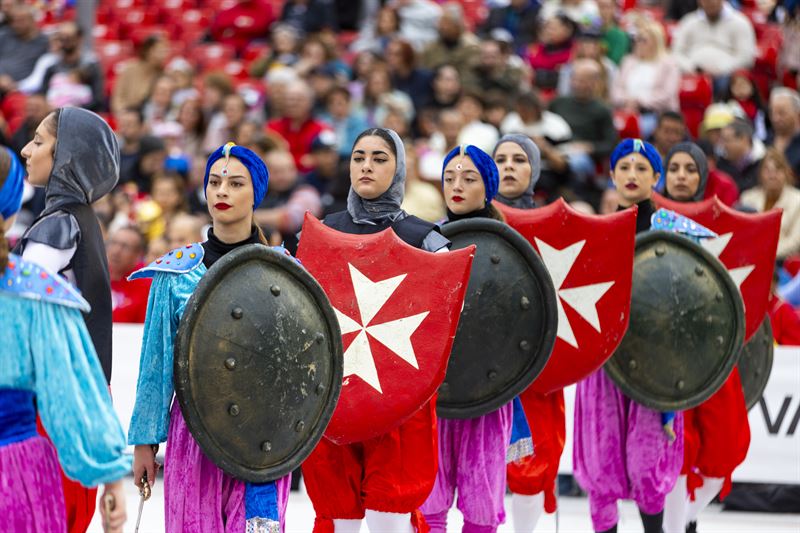
Malta Carnival, or Il-Karnival ta' Malta, is one of the country's most beloved and enduring traditions. For five days in February, the streets of Valletta are filled with colorful carnival processions featuring impressive floats, elaborate masks, and spectacular dance performances. With a history dating back to the 16th century, the carnival is a central part of Malta's cultural identity.
This year's edition, which takes place from 13-17 February 2026, will also have a wider geographical spread than before. In addition to the main parade and festivities in Valletta, local carnival celebrations will be organised in over 50 locations across Malta and Gozo, with the support of the country's authorities.
Thousands of visitors are attracted each year to the carnival, which involves the entire community – from artists and craftsmen to dance troupes and schoolchildren. Preparations take place over several months, during which groups compete to create the most impressive floats and imaginative masks. Satire and social commentary have always played a prominent role, and the large floats, created using papier-mâché, often interpret current political and social issues.
Among the carnival traditions, ”il-Qarċilla”, a satirical theatre in verse, stands out, as do masquerade balls, dance performances and costume competitions. The parades in Valletta bring together both locals and international guests who want to share in the festive atmosphere. Many of the smaller communities also organize their own events to give more people the opportunity to participate in the festivities at home.
Carnival celebrations in Malta have evolved over the centuries into a unique combination of folk festivities, centuries-old customs and artistic creativity. The celebrations in Gozo have also grown to be an equally important element, with large parades and festivities in both Victoria and Nadur. The entire island is now involved in community and local creativity.
As elsewhere in the world, Carnival marks the last major public celebration before Lent. It serves as a symbol of Malta's ability to unite history and the present, bringing together young and old in a tradition that is evolving and engaging more and more communities across the archipelago.
According to the press release.