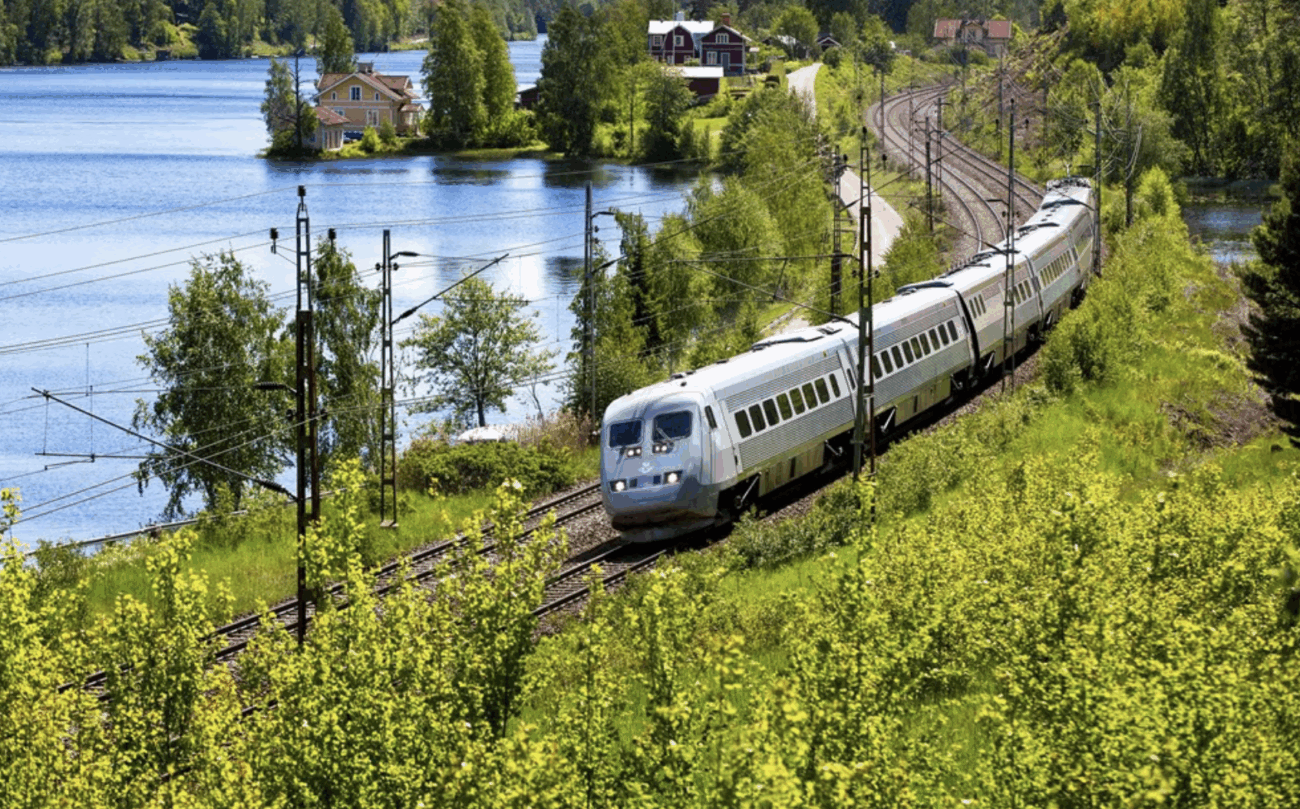



One in four Swedes chose not to fly to reduce their climate impact last year.
And almost half of women reduced their meat consumption in 2018, a new report shows.
”"We also saw in last year's study that women are more engaged than men," says Ola Hansén, climate expert at the World Wide Fund for Nature (WWF), which is behind the annual Climate Barometer report.
”Young women are generally the most engaged, while men over 50 are the least engaged.”
The difference between the genders is particularly clear when looking at meat consumption – 47 percent of women stated that they had eaten less meat in 2018 compared to 34 percent of men.
The survey shows that Swedes have generally become more aware of issues related to climate change.
Ola Hansén particularly highlights that over a quarter think about climate change daily, while two-thirds of those surveyed think about it weekly or more often.
Climate change has become the social phenomenon that Swedes worry about the most, according to the survey.
”"In Environmental Sweden, this is of course something that is discussed all the time. But now it is obvious that the issues have seriously affected the Swedish people."”
23 percent of those surveyed say they have chosen not to fly due to climate concerns, an increase of 6 percent compared to the previous year. And nearly a third say they do not fly in their free time.
”"It's positive that people actually see that they can limit their flying. We're not saying you should stay on the ground, we recognize that there is a need to be able to fly. But it's important to try to limit it to the greatest extent possible."”
The report also shows that there are aspects of the environment and climate that people do not pay as much attention to. This applies, for example, to the loss of biodiversity, where a majority of those surveyed believed that 30 percent of wild vertebrates have disappeared since 1970 when in fact 60 percent have disappeared. Only 8 percent of those who participated in the report got it right.
”"When it comes to biodiversity and how it affects our lives here on Earth, we haven't come that far in terms of awareness and it really needs to get better."”
”Biodiversity is the foundation of all life. If this trend continues and if it goes too far, we will not be able to survive. It is about the food we eat, the air we breathe and the water we drink.”
There are also blind spots in the area of personal finances. 45 percent of those surveyed stated that they shopped more climate-smartly in 2018, while only 4 percent have chosen to save in green funds.
”"It's about trying to get to know and understand the financial market's major impact on climate change. As a private individual, you can make a difference. It's possible to put pressure on those who manage pensions and savings so that they, in turn, can set requirements for the investments that are made."”
Source: TT