






It is now clear that the first of SAS's three new Airbus aircraft of the A321LR (Long Range) type will operate on the Copenhagen-Boston route starting in September next year. Boston will thus become a year-round destination with traffic six days a week, says SAS Sales Manager Karl Sandlund.
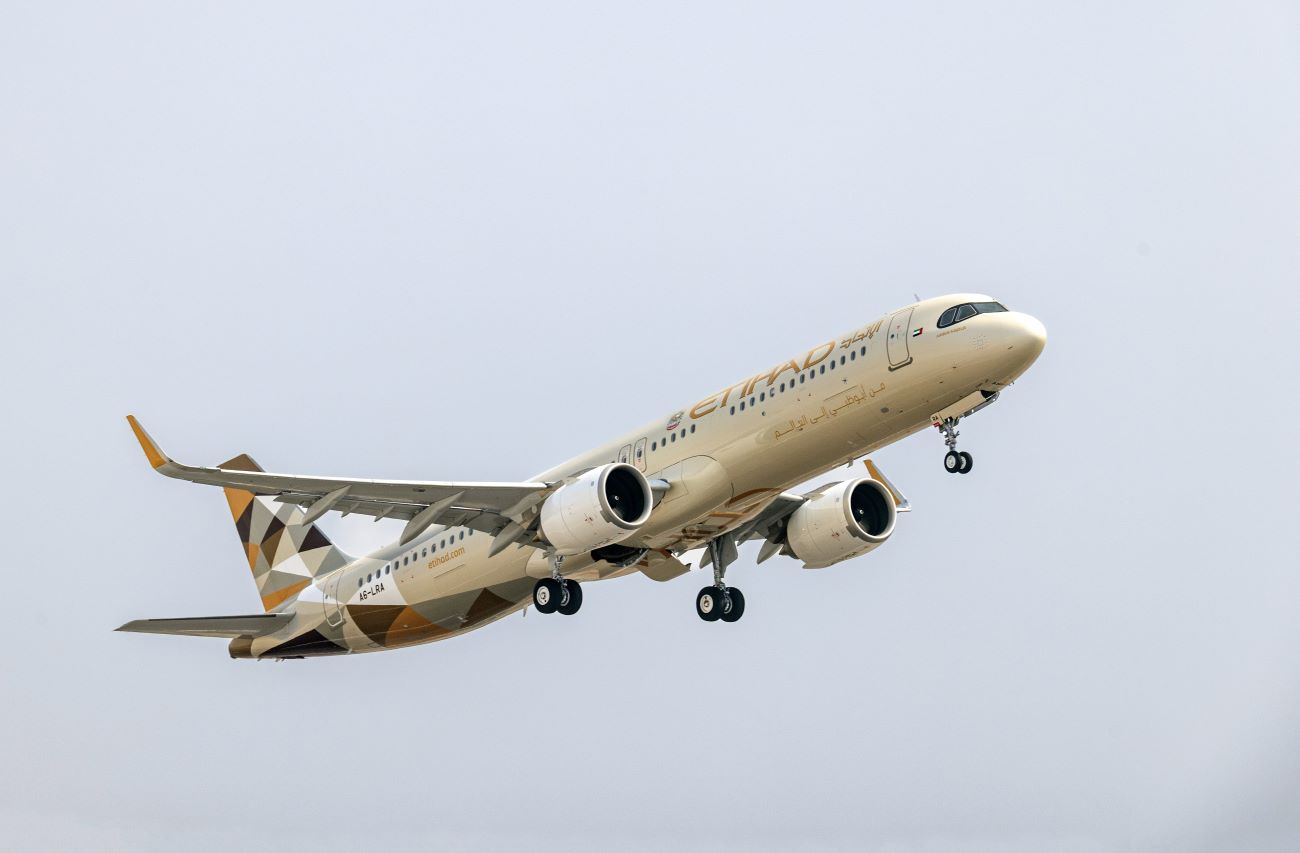
The aircraft type has a range of 8–9 hours of flight, which opens up new opportunities for SAS to serve destinations such as the northeastern United States, Canada, the Middle East and India.
The aircraft are significantly smaller than, for example, the long-haul giant A350, but are still equipped to fly long distances.
The A321LR is a narrow-body type with a central aisle and in SAS's configuration there is room for 157 passengers, of which 22 in business class and 12 in so-called Plus class.
”"For SAS, this is a completely new aircraft type, which is incredibly well adapted to the Scandinavian market and to the travel patterns to and from the region. It gives SAS the opportunity to offer travelers more intercontinental routes, fewer stopovers and shorter travel times to and from Scandinavia. The new aircraft offers a service concept at the same level as SAS's other long-haul fleet, and gives passengers the same benefits, comfort and variety of travel classes," says Karl Sandlund.
The A321LR cabin is equipped with mood lighting, high-speed WiFi and has reduced noise levels.
The timing of when the aircraft type will start operating on SAS routes has been slightly delayed compared to the original plans, when it was said that they would be put into service in the first half of 2020. The inaugural flight in SAS colors is now planned for September 18 next year, at the same time as sales for the route will open on November 20 this year.
SAS has not communicated when the other two ordered A321LR planes will be put into service, or which routes they will operate.
In addition to opening up new opportunities for SAS's long-haul traffic, the new aircraft type also emits less carbon dioxide, compared to similar older aircraft. Like the A321neo, the A321LR is expected to emit 15–18 percent less carbon dioxide than older generations of aircraft.
”"The climate issue is crucial for aviation and SAS's goal is to be a pioneer in reducing emissions and sustainable travel. We aim to reduce carbon dioxide emissions by 25 percent by 2030. The ongoing renewal of the fleet, and our new long-haul planes, is an investment in more sustainable aviation," says Karl Sandlund.
Source: di.se