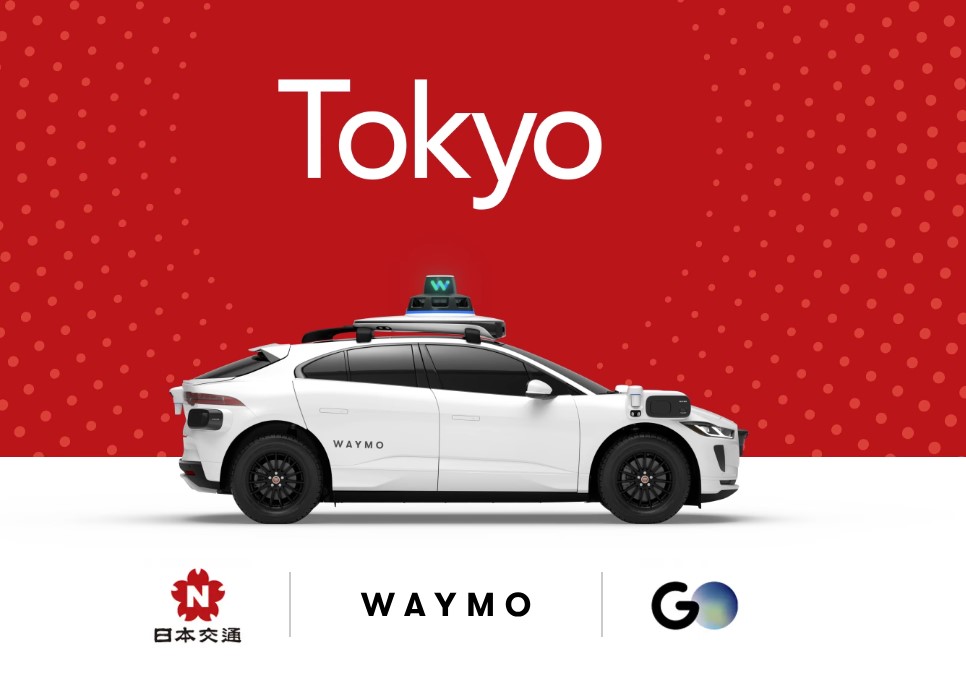




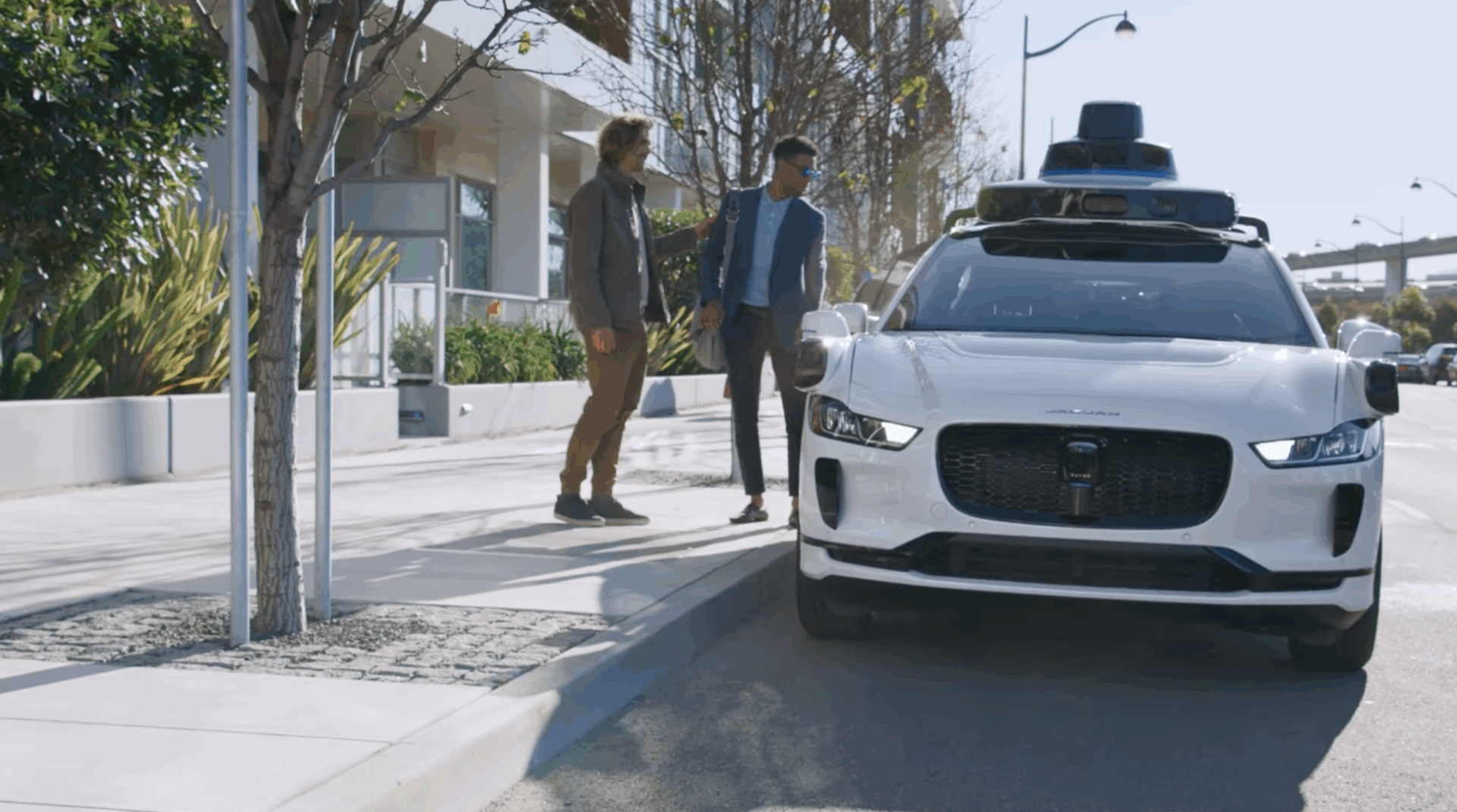
The price of a ride in Waymo's self-driving taxis is still higher than a traditional Uber or Lyft — but the difference is quickly closing, according to new data from Obi, a company that compares prices and wait times between different taxi services in the United States, Techcrunch reports.
In San Francisco, Waymo, owned by Google's parent company Alphabet, has lowered its prices. This at the same time that Uber and Lyft have become more expensive. Between November 27 and January 1, the analytics company Obi simulated over 94,000 trips in the area. The result: Waymo cost an average of $19.69 per trip, Uber $17.47 and Lyft $15.47, reports Techcrunch.
Compared to April In 2025, Waymo has lowered its price by 3.6 percent, while Uber and Lyft have raised theirs by 12 and 7 percent, respectively.
”People used to be willing to pay extra to ride Waymo, but now the novelty is starting to wear off,” Obi CEO Ashwini Anburajan tells Techcrunch.
She believes that Waymo must therefore continue to push prices down.
A wild card in the game is Tesla, which according to Obi's report offers significantly cheaper rides – but with important caveats. Tesla is not yet licensed to operate driverless taxis in California, but instead uses hired drivers in cars with the company's self-driving software. Its fleet is also small, which results in longer wait times: an average of 15.3 minutes, compared to Waymo's 5.7 minutes and Uber's 3.1 minutes.
Obi also has surveyed preferences among 2,000 people in California, Nevada, Arizona and Texas, where Waymo's cars operate. More than half of those who had ridden in an autonomous car had chosen Tesla, and 31 percent preferred Tesla over other brands. However, Waymo was still the most popular, with 39.8 percent.
”We are still in the early stages. Several new players are entering the market, and competition for future robo-taxi customers is intensifying rapidly,” Anburajan tells Techcrunch.
Since this news broke, it has become clear that Canadian autonomous truck startup Waabi has completed a funding round of $750 million, equivalent to SEK 6.6 billion. The capital has been raised at the same time as the company enters into a partnership to develop driverless systems for Uber's robo-taxi services. Read more here.
Source: DI.SE