



Growth in Spain's tourism industry has slowed sharply, driven by weaker spending from European and American visitors, and its contribution to this year's economic growth will be weaker than expected.
This was announced by the industry group Exceltur on Tuesday, according to Reuters.
Exceltur now expects all tourism-related activity in the world's second most visited country to grow by 2.8 percent this year, a downward revision from the 3.3 percent forecast in July, and a decline from a 5.5 percent expansion last year.
The group estimated that the tourism industry will contribute 13.1 percent to Spain's GDP this year, which is lower than the original estimate of 13.5 percent.
”Tourism is no longer the main driver of the Spanish economy,” Exceltur vice president Oscar Perelli said at a press conference, adding that the sector will no longer exceed Spain’s expected economic growth of 2.6 percent.
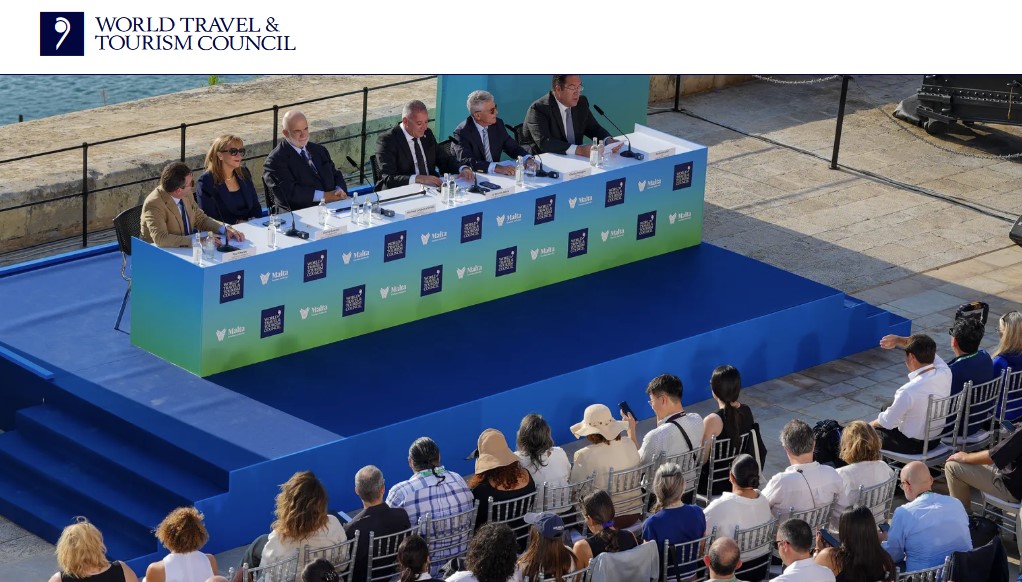
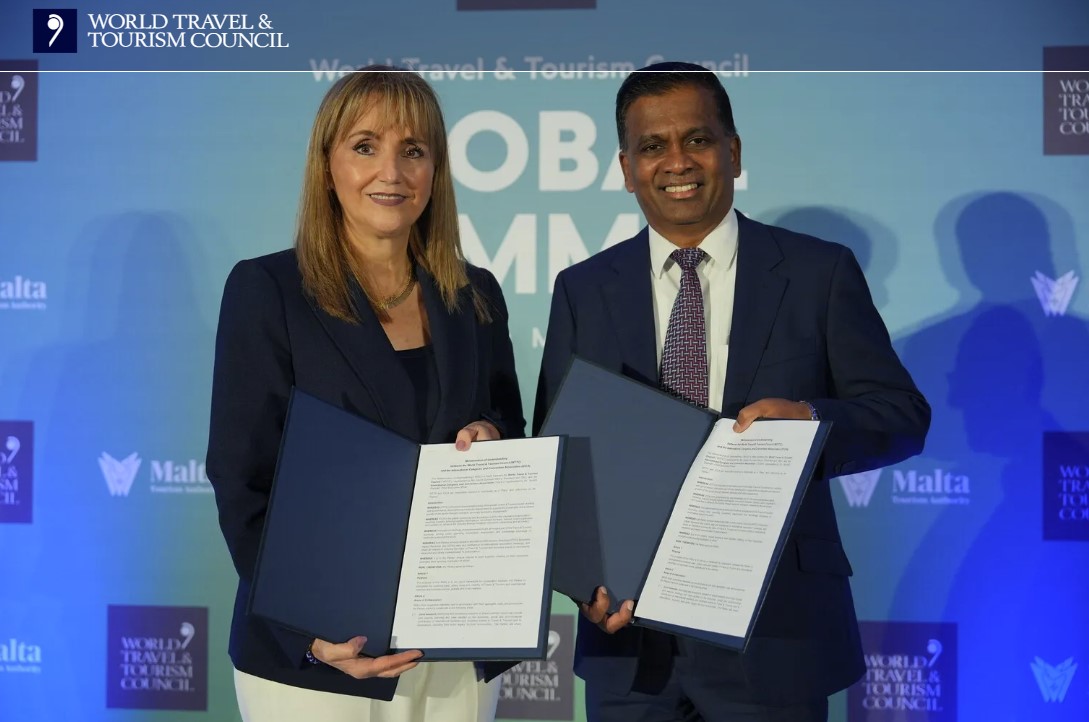
The number of international tourists may fall short of the 100 million that the World Travel and Tourism Council forecast earlier this year.
Last year, Spain registered a record number of 94 million tourists. In August this year, 66.8 million tourists had arrived, an increase of 3.9 percent compared to the same period last year.
Sales at hotels, airlines, restaurants and other tourism-related businesses increased by 2.8 percent during the peak summer season, a significant decrease from the 6.3 percent growth recorded during the same period last year. In the fourth quarter, Exceltur expects sales to increase by 2 percent.
The slowing growth is linked to weaker spending by tourists from Germany, France, Turkey and the US, according to Exceltur. An increase in tourists from the UK, which accounts for 26.5 percent of total visitors, as well as from China and Poland, helped to counter the trend during the peak season, while the number of domestic tourists remained unchanged.
Source: Dagens Industri