
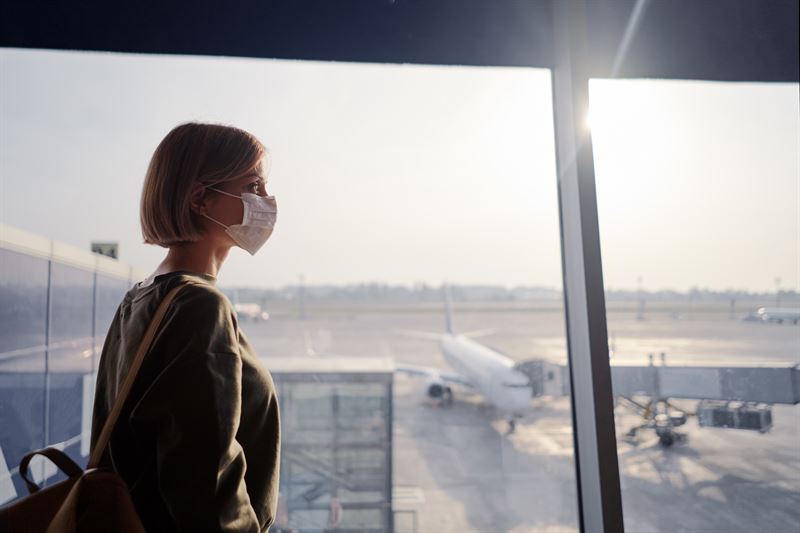
Six years have passed since the first corona case was confirmed in Sweden and the pandemic fundamentally changed everyday life. Travel was canceled, borders were closed and uncertainty was total. Today, the desire to travel is back – but the way Swedes plan their vacations has changed as a result.
On January 31, 2020, the first confirmed case of corona was recorded in Sweden. As early as February, the pandemic began to become a tangible reality for many Swedes, and on March 14, the Ministry of Foreign Affairs introduced an advice against non-essential travel to all countries in the world. Six years later, traces of that period are still visible in how holiday trips are planned and booked. This is shown by the travel agency Tickets' report Ticket Collection.
More price-conscious – and more travel within Europe
29 percent say they have become more price-conscious as a result of the pandemic. At the same time, 26 percent say they are choosing European destinations to a greater extent than before. This development is clearly visible in the travel agency's booking statistics, where trips to Europe dominate.
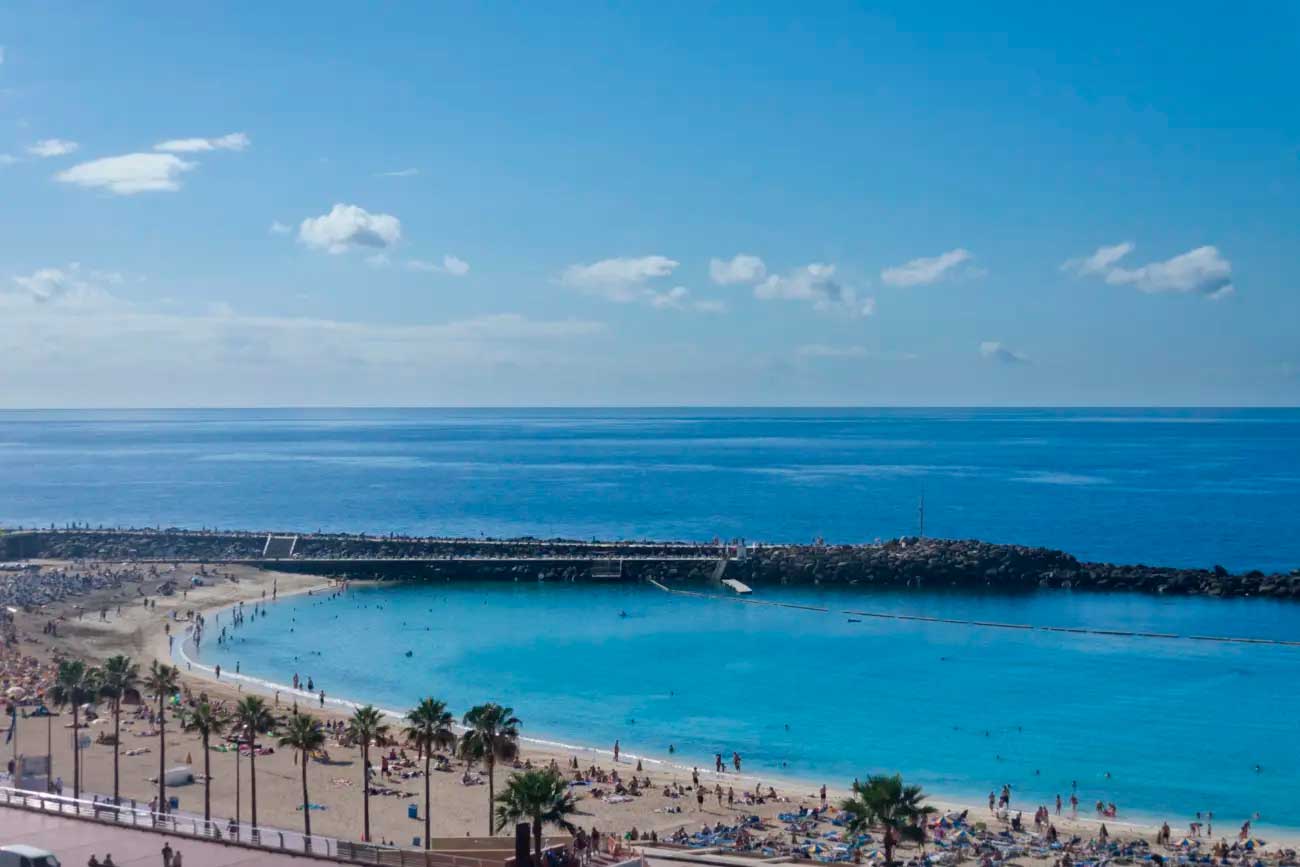
Europe is now by far the most popular continent for Swedish travelers, and bookings are now 20 percent above levels from 2019 – the last normal year before the pandemic. Overall, 64 percent of all holiday trips today go to destinations within Europe.
“Swedes prioritize travel destinations that are close, easily accessible and affordable. This is an important explanation for why Europe has strengthened its position so clearly,” says Tiyoneh Jah, PR and communications manager at travel agency Ticket.
More planning and greater focus on safety
Booking patterns have clearly changed. Around one in five Swedes say they now book more in advance than before, while only 5 percent say they book last minute more often. Among those who believe their travel has changed, 14 percent say they now choose safer and more established players when booking.
Ticket's booking statistics also show that a larger proportion of customers today choose to book a package holiday, when booking a flight and hotel at the same time, instead of booking the flight and hotel separately from different operators. This means that as a traveler you receive increased protection through the Package Travel Act if, for example, the flight is cancelled or the Ministry of Foreign Affairs issues an advisory to the destination.
– The experiences from canceled trips and uncertainty about refunds have made security weigh more heavily for many travelers than before the pandemic, says Tiyoneh Jah.
Not everyone has changed their travel habits
At the same time, the picture is not clear-cut. 41 percent state that their travel today is unchanged compared to before the pandemic.
– The pandemic has not affected everyone equally. For some, travel is back to the same level as before, while others have become more selective. But overall, we see more thoughtful travel where price, planning and security weigh more heavily than before 2020, says Tiyoneh Jah.
About the survey
The results come from the Ticket Collection report and are based on a nationally representative Sifo survey conducted at the end of 2025 on behalf of the travel agency Ticket, in combination with current booking statistics.
The question about how the pandemic has affected travel is a multiple-choice question, which means that respondents had the opportunity to provide multiple answers.