



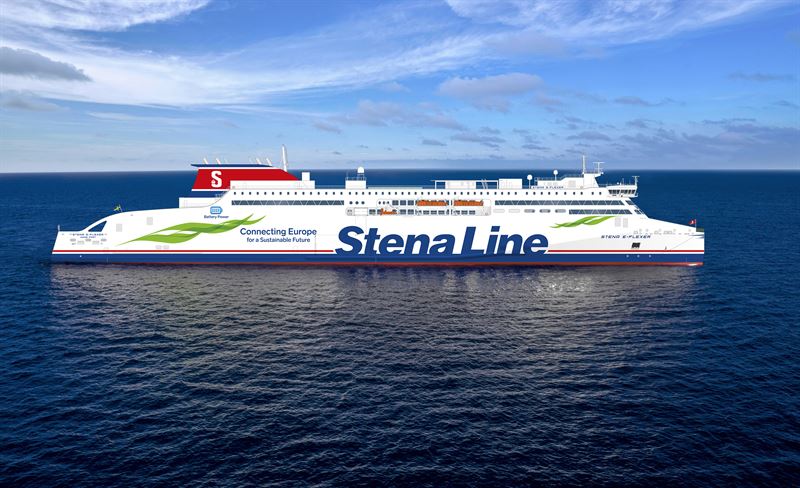
Stena Line has ordered two new hybrid ferries of the E-flexer model for the service between Gothenburg and Fredrikshamn. The vessels will have space for 1,500 passengers and 2,750 film meters of cargo and are planned to enter service in 2030.
The new RoPax ferries will be so-called day ferries and are built to be able to operate with both conventional fuel and electricity.
According to Stena Line, the ships are also prepared for 100 percent electric operation when the charging infrastructure in the ports allows it.
– This is a historic investment for Stena Line where we have the opportunity to take further steps towards a sustainable modernization of our fleet, says Niclas Mårtensson, CEO of Stena Line.
Increases freight capacity
Each ship will have three car decks, two of which are intended for cargo, and a total cargo capacity of 2,750 film meters.
Stena Line expects the increased capacity to be significant in connection with the planned move of Gothenburg traffic to Arendal. According to the company, there are better conditions for freight operations there and opportunities for increased intermodality through rail connections.
– We are increasing our cargo capacity with the new ships, which we believe will come in handy with our upcoming move to a new port location in Arendal, says Christina Bromander, Trade Director for Danmarkstrafiken.
Today's ships have been operating on the line for several decades
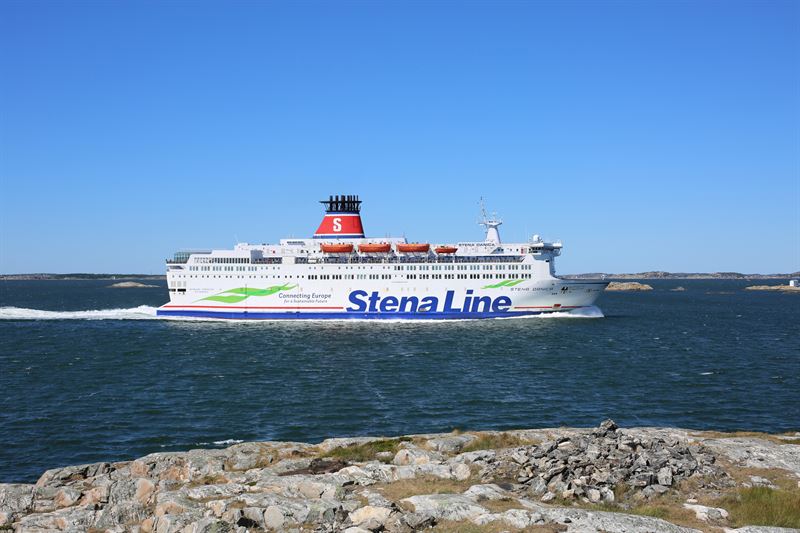
Gothenburg–Fredrikshamn is currently served by, among others, Stena Danica and Stena Jutlandica.
Stena Danica was introduced on the line in 1984 and Stena Jutlandica in 1996.
The newly ordered ships are primarily intended for Danmarkstrafiken, but Stena Line states that they can also be used on other day routes in the network if necessary.
Built in China
The ships will be Stena Line's sixth and seventh E-flexes. Three ships of the model currently operate in the Irish Sea and two operate between Sweden and Poland.
The two new ferries will be built at China Merchants Industry Weihai Shipyard in China.
The ships will be 214.5 meters long and 27.8 meters wide and will have 132 cabins for staff and passengers. Delivery is planned for 2030.