
The aviation industry's huge recruitment needs are not just about pilots, cabin crew and technicians. With Boeing estimating that more than 2.4 million new professionals will be needed over the next 20 years, the need for skills in areas such as IT, finance, HR, law and commercial functions is also growing.
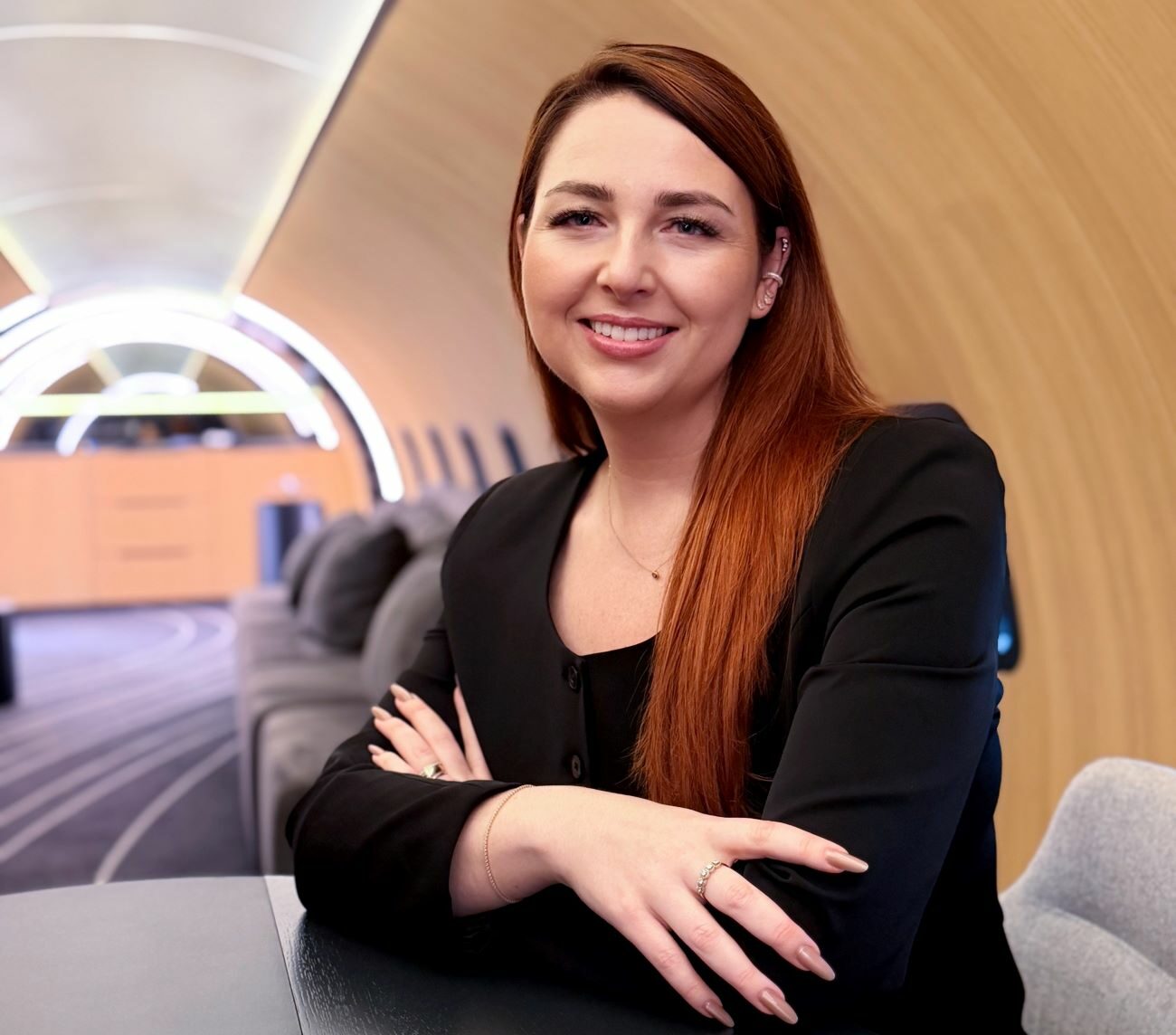
This is emphasized by Sandra Diaso, HR manager at charter and ACMI operator KlasJet, who herself has made several career changes in the aviation industry.
She started as a civil engineer and has since worked with training, crew planning and as an HR Business Partner before taking on her current role.
“You don't have to be a pilot or an engineer to create a career in aviation. Airlines, charter and ACMI operators, maintenance companies and ground handling companies are also looking for expertise in HR, finance, IT, commercial affairs, law and many other areas,” says Sandra Diaso.
Common to change roles in aviation
According to Diaso, the ability to move between different functions is one reason why many people stay in the aviation industry for a long time.
The operations are closely linked between, for example, flight operations, crews, maintenance, sales, HR, finance, safety and compliance. This means that employees often gain insight into other parts of the business and can move on to new roles.
For example, a ticket agent could move on to work in compliance, while a cabin crew member could switch to HR. According to Diaso, the opportunities are particularly great within larger airline groups that combine several operations, such as charter, wet lease, maintenance, ground services, crewing and training.
Careers don't have to go uphill
Diaso also believes that career development in aviation does not necessarily have to involve a traditional promotion.
Instead, it can be about developing specialist skills, working on new projects, changing areas of activity or gaining international experience.
– Careers in aviation are rarely linear and I see that as a strength for the industry, she says.
Higher demands on employers
At the same time, the demands on aviation employers have changed. According to Diaso, salary, job security and a clear position are no longer enough to retain employees.
Employees are increasingly demanding flexibility, transparency, development opportunities and influence. Employers therefore need to create opportunities to develop and change roles without the employee having to leave the company or industry.
Diaso believes that airlines should encourage internal transfers rather than trying to retain competent employees in the same function.
“Someone who has actually worked as a cabin crew member brings a completely different perspective to a role in HR or training. They understand the reality behind policies and processes,” she says.
For anyone considering applying to the aviation industry, Diaso has simple advice:
– Give aviation that first year that everyone talks about. But be careful, because it can become a lifelong career.