






Global air traffic is expected to grow significantly – from 4.5 billion passengers today to a whopping 22.3 billion per year by 2053, according to ACI World. To cope with this, larger terminals will not be enough. The airports of the future must be smart, efficient, environmentally friendly and adapted to the traveler.
”Tomorrow’s airport will bring back the calm feeling that existed before September 11, but with biometrics and automation that make the journey smooth and almost invisible,” says Max Groot from Momberger Airport Information.
Biometrics and faster flows
Zayed International Airport in Abu Dhabi has already taken the lead – as the first international airport to use biometric identification at nine different points, from check-in to boarding. No passports, no boarding passes – just facial scanning. The result? Shorter lines and less hassle.
The luggage is with you.
Baggage handling is also getting smarter. GPS-tracked bags, off-airport drop-off and automated systems reduce the risk of lost luggage. ”Bags need to travel as quickly and reliably as passengers themselves,” says SITA CEO David Lavorel.
Robots, AR and AI
Automation is bringing terminals to life. Munich tested a robot serving snacks, and more AI-powered kiosks and virtual assistants are on the way. With AR (augmented reality) on your phone or glasses, travelers will soon be able to get real-time navigation and translation help right on the spot.
Greener environments
Sustainability is a given. The airports of the future will be ”enerports” – with solar energy, hydrogen stations, rainwater harvesting and electric ground vehicles. Plant walls and green oases, like at the airport in Bangalore, will create a calmer environment for travelers.
More comfort
Airports should not only be places of transportation but also comfortable environments. In the future, more quiet zones, spas, VR game rooms and flexible seating are expected. AI will help to automatically rebook trips in the event of disruptions – without the traveler having to lift a finger.
Mobility hubs
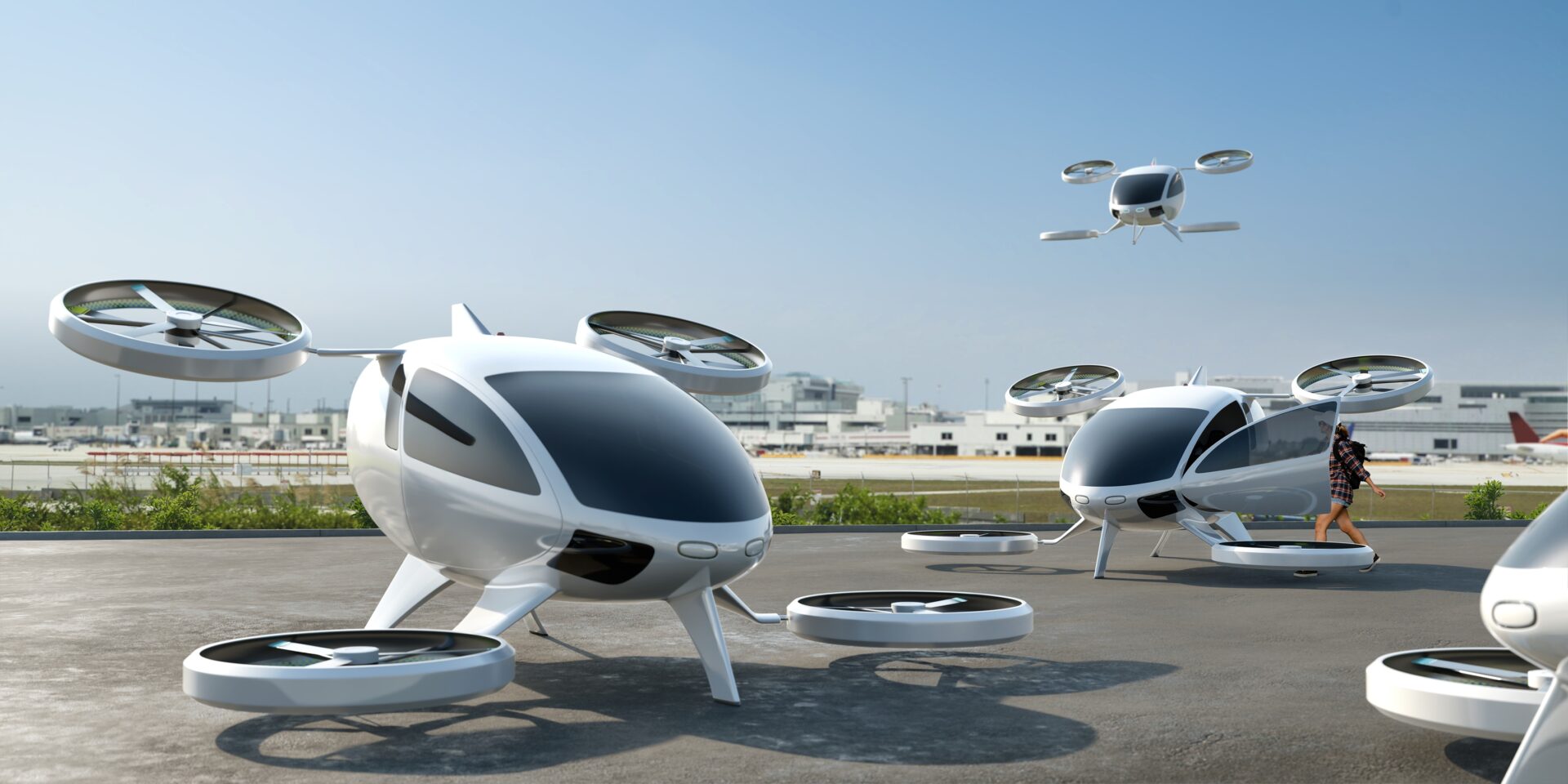
In the longer term, airports will become major hubs for different modes of transport: high-speed trains, self-driving cars and even electric air taxis. They will become small cities in themselves, where travel, commerce and experiences blend.
One example is Poland's new Centralny Port Komunikacyjny (CPK), which will open in 2032. There, travel will be completely digital – check-in online, documents are uploaded in advance, and facial scanning replaces both passports and boarding passes.
A new era is taking off.
The airport of the future doesn’t just move people – it moves with them. And the development has already begun. When inter airport Europe is held in Munich from 7-9 October, it will be a meeting place to showcase and shape the next big step in the future of aviation.