



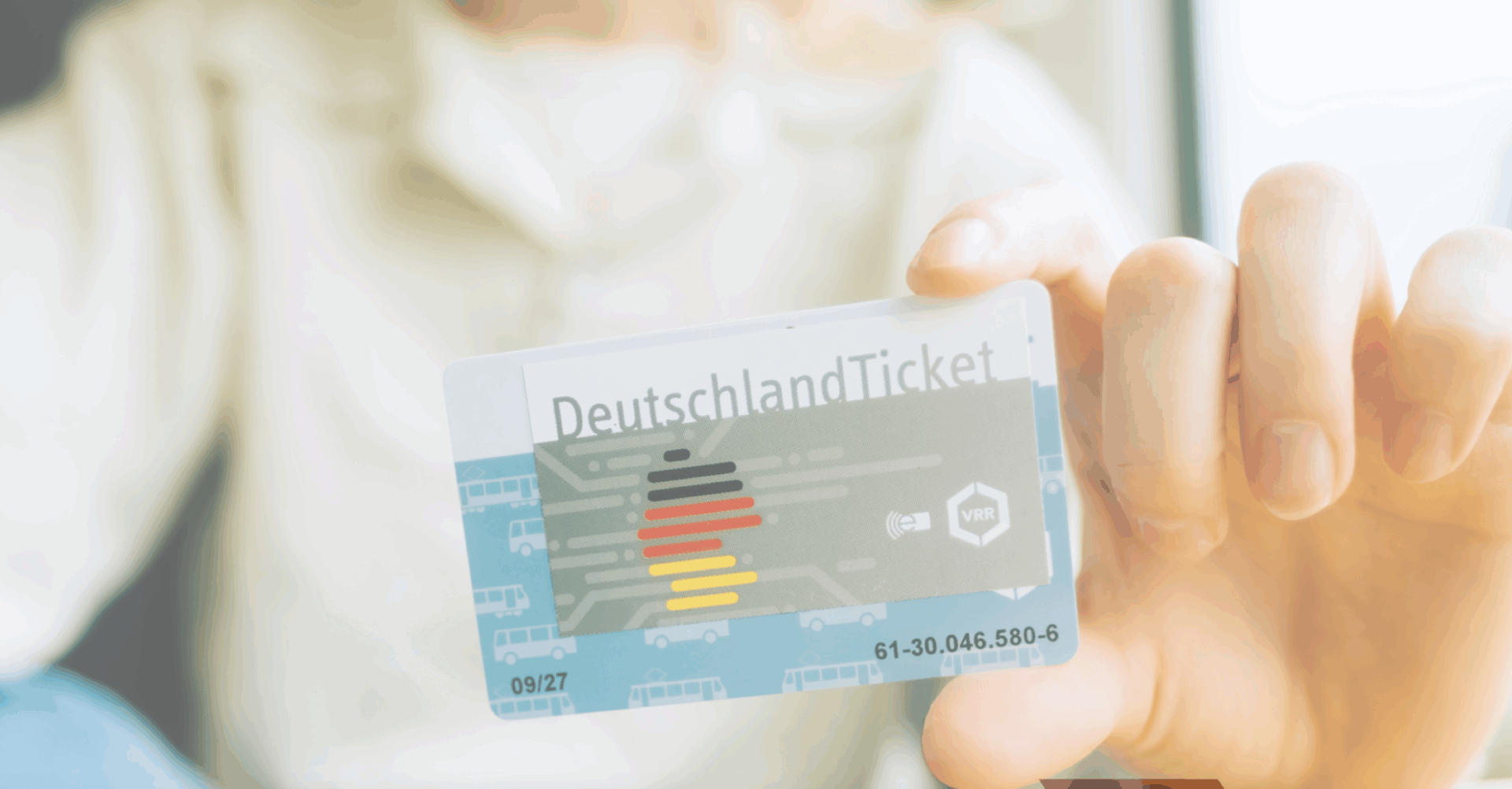
The criticized German ticket – which is valid on buses and trains throughout the country – has significantly reduced car travel, according to new research.
For just over 20 kronor a day, or just over 630 kronor a month, Germans have been able to travel freely throughout the country since May 2023, regardless of whether it is a bus, subway or regional train. Ever since the national public transport card was introduced on a trial basis in the summer of 2022 – then at a cost of just 9 euros – critics have said that the initiative is both expensive and has failed to shift travel from cars to public transport.
Among other things, the German local transport association VDV believes that the ticket has encouraged people to make trips that they would not otherwise have made.
But now researchers at the renowned Potsdam Institute for Climate Impact Research, headed by Swedish professor Johan Rockström, have answers to what it really looks like. Between 12 and 16 percent of trips have been moved from cars to public transport. And above all, it is trips of over 30 kilometers that have been replaced.
The research also refutes the data that the so-called Germany ticket would contribute to people traveling more than before.
In short, the actual transition from cars to public transport has reduced carbon dioxide emissions by between 4.2 and 6.5 million tons per year.
”Taking into account additional environmental impacts, such as air pollution and noise, a reduction in the external costs of car traffic can be estimated at between 2.4 and 3.7 billion euros,” the researchers also write in the report.
The German initiative for a national public transport system has inspired the Green Party who on several occasions highlighted the potential benefits of a Sweden card.
Source: DI.SE