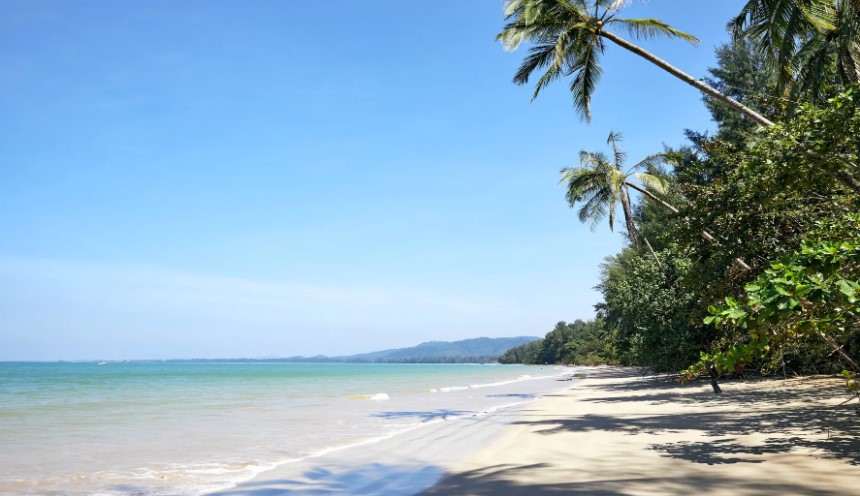

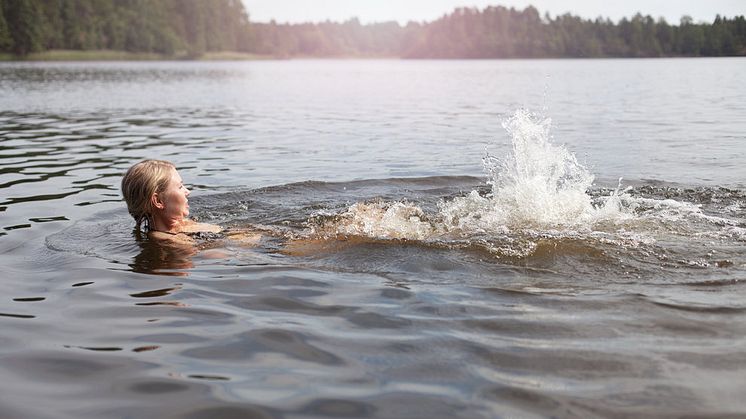
A report from the Swedish Marine and Water Authority, HaV, shows that the number of registered EU bathing areas continues to increase, from 445 for last year to 457 for this year's bathing season.
– This is a welcome development. By following the requirements that apply to EU bathing areas, municipalities can quality-certify their larger bathing areas and work towards improvements, says Ema Glad, investigator at HaV.
The majority have excellent quality
An EU bath has more than 200 bathers per day. In this case, the bathing water is regularly checked by the municipality. Signs showing the quality of the bathing water must be available. The water quality can be classified as excellent, good, satisfactory or poor.
Ema Glad says that the majority of all Swedish EU baths have excellent quality, which is the best classification.
– This applies to 356 EU baths, which corresponds to 78 percent.
The vast majority of EU bathing areas in Sweden have good water quality. Ahead of the 2022 bathing season, bathing water quality is classified as excellent, good or satisfactory for 407 of Sweden's 457 EU bathing areas, which corresponds to 89 percent, based on samples taken during the last four bathing seasons.
Homesteading can contribute to poorer water
15 EU swimming pools have been classified as poor. There, the municipalities have found elevated levels of bacteria found in the intestines of humans and warm-blooded animals. There is no simple explanation, notes Ema Glad. In recent years, many people have been vacationing at home due to Covid19. This can mean both more bathers who can contaminate, but also higher use of boat toilets, which can sometimes be emptied into the water.
– Heavy rains can overload municipal sewage pipes. This means that untreated water can reach the pools. Another possible reason could also be that more and more people have acquired dogs in recent years. This increases the risk of dog poop ending up in the water.