
After a year marked by economic uncertainty, Stena Line enters 2026 with cautious optimism. Strong booking growth during the first quarter of the year indicates a promising start, while the Riksdag's budget bill, which strengthens household finances, may further increase Swedes' desire to travel.
The 2026 budget bill contains several measures aimed at strengthening household finances with tax cuts, targeted support and welfare reforms. Increased purchasing power and financial security can make it easier and more attractive for Swedes to plan trips.
Stena Line continues to develop its digital customer journey and sustainable operations in the run-up to 2026. The ferry company believes that increased household economic margins, combined with political reforms that promote consumption and mobility, can help more Swedes travel with Stena Line.
”We see that Swedish travelers are starting to plan their trips further in advance, which is a positive sign after a period of economic uncertainty. Strong bookings during the first quarter of the year show that demand is already on the rise. With the Riksdag’s budget bill and a strengthened household economy, more people are able to feel secure in their choices and actually book trips. This is not only good for us at Stena Line, but also for tourism in general. We want to meet demand with improved digital solutions, sustainable travel and flexible options that make traveling easy and fun – regardless of whether you take the car or travel on foot, want to eat well or let the children play on board. In this way, the trip becomes part of the experience,” says Ulf Staff, Travel Commercial Manager at Stena Line.
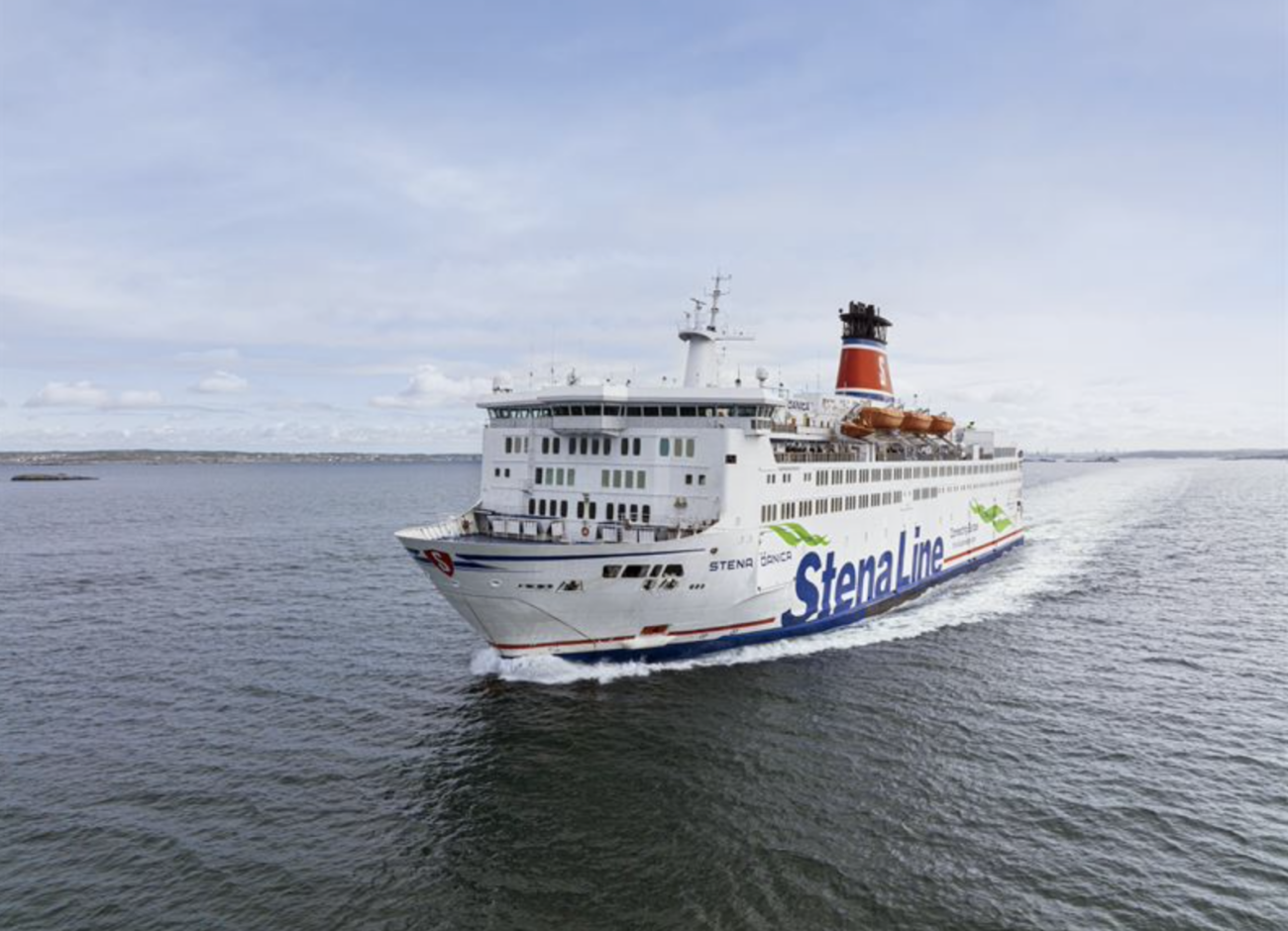
Stena Line currently operates two ferry routes between Sweden and Denmark: Gothenburg–Frederikshavn and Halmstad–Grenå. The ships offer restaurants, shopping, playgrounds and the opportunity to bring your car on holiday.
According to the press release.