



Photo:anticimex.com
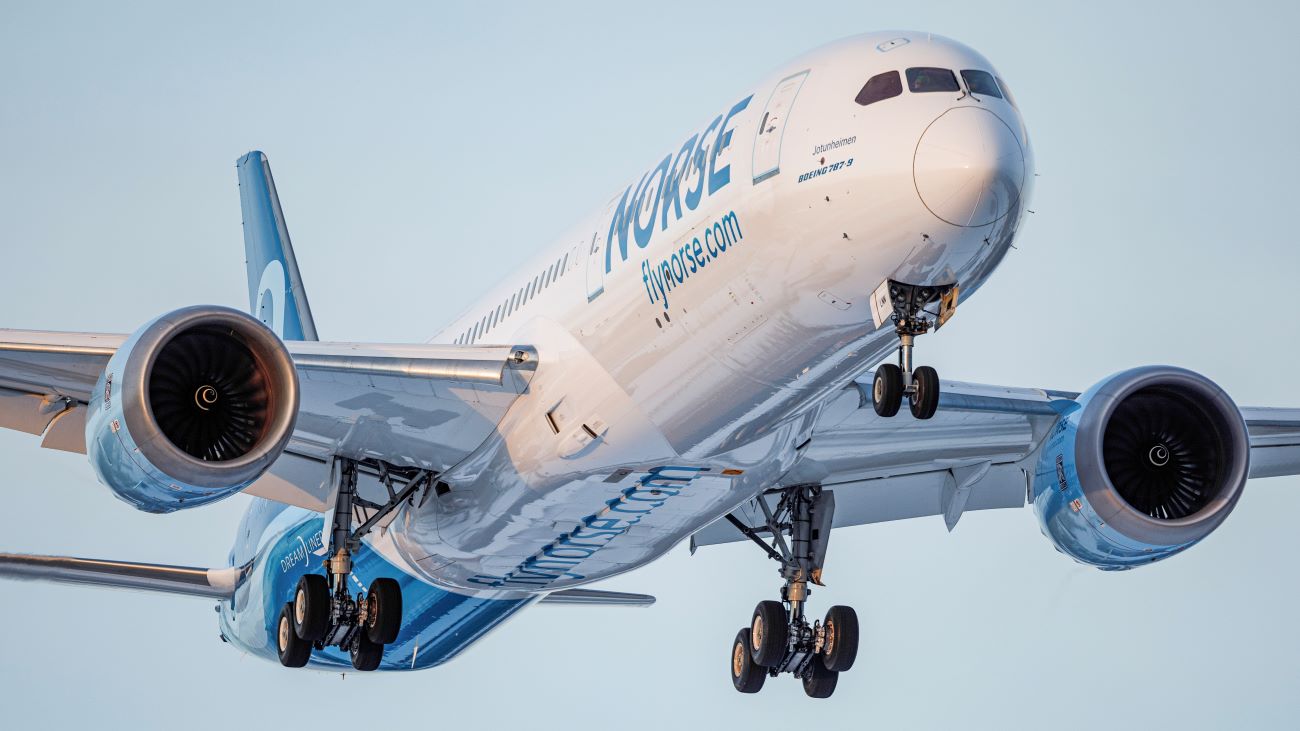
Bed bug remediation is becoming increasingly common on public transport such as boats, trains and planes, according to the remediation company Anticimex.
Hotels and apartments remain the worst affected, but the decontamination company Anticimex is noticing an increase in requests to decontaminate trains and airplanes, among other things, reports P4 Stockholm.
Resistant to agents
One reason why the pest is spreading is that the lice have become resistant to several pesticides, says Anticimex pest expert Håkan Kjellberg.
"Bedbugs live in very closed communities where the genes spread very quickly to the surrounding area. The resistance has thus spread to a great many individuals," he tells TT.
But there are alternatives to harsh chemicals.
– Heat above all, but also steam and silicon. Other pesticides that have a more drying effect are also good alternatives.
Here to stay
Twenty years ago, the species of bedbug that thrives among humans was almost extinct. But with increased travel and resistance, it has spread more and more. This time, it is here to stay, according to Håkan Kjellberg, who also believes that the spread can be stopped.
– The important thing is not to act in a panic by throwing out furniture. That will only increase the spread. I understand that bedbugs are disgusting, but they do not spread any infection and will not chase you.
Facts: Bedbugs
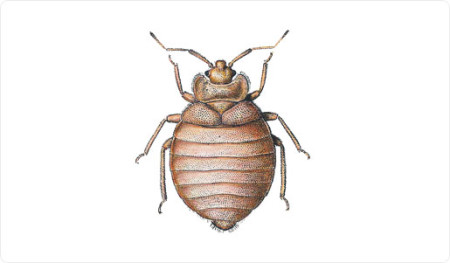
- An adult bed bug is about 4–5 millimeters long. It has a broad, oval, and flattened body.
- The upper surface of its body is covered with short golden yellow hair, which is why it can look striped.
- An empty bedbug is almost transparent while a bedbug that has sucked blood is bright yellow or brown.
- Signs of bedbug infestation include blood stains on the bedding and a distinct, sweet, and foreign odor.
Source: Anticimex-TT