

Sweden is Mauritius' most important market in the Nordics. Now the tourist country wants to get more Swedish travelers to discover the island beyond the resorts – using culture, food, hiking and local encounters as weapons in the intensifying competition for long-distance vacationers.
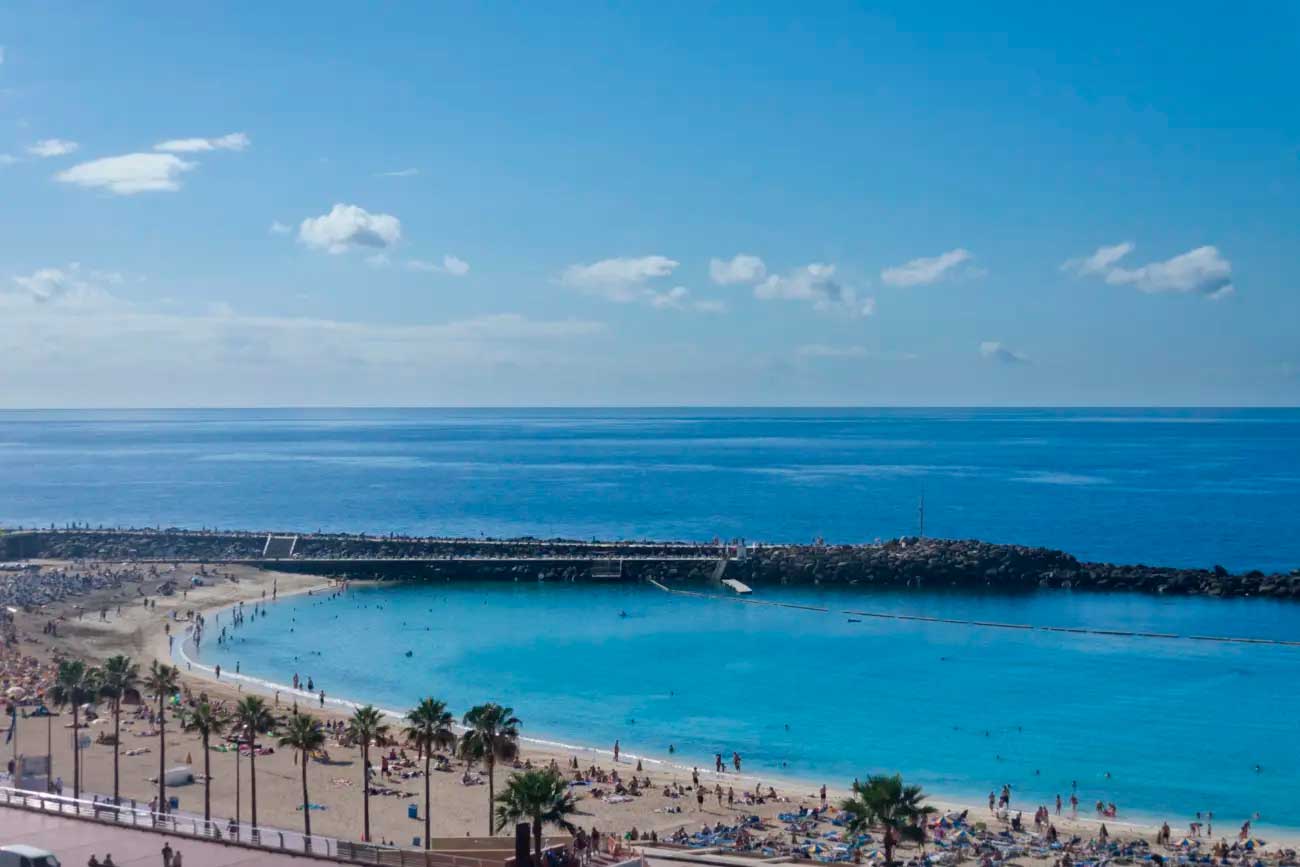
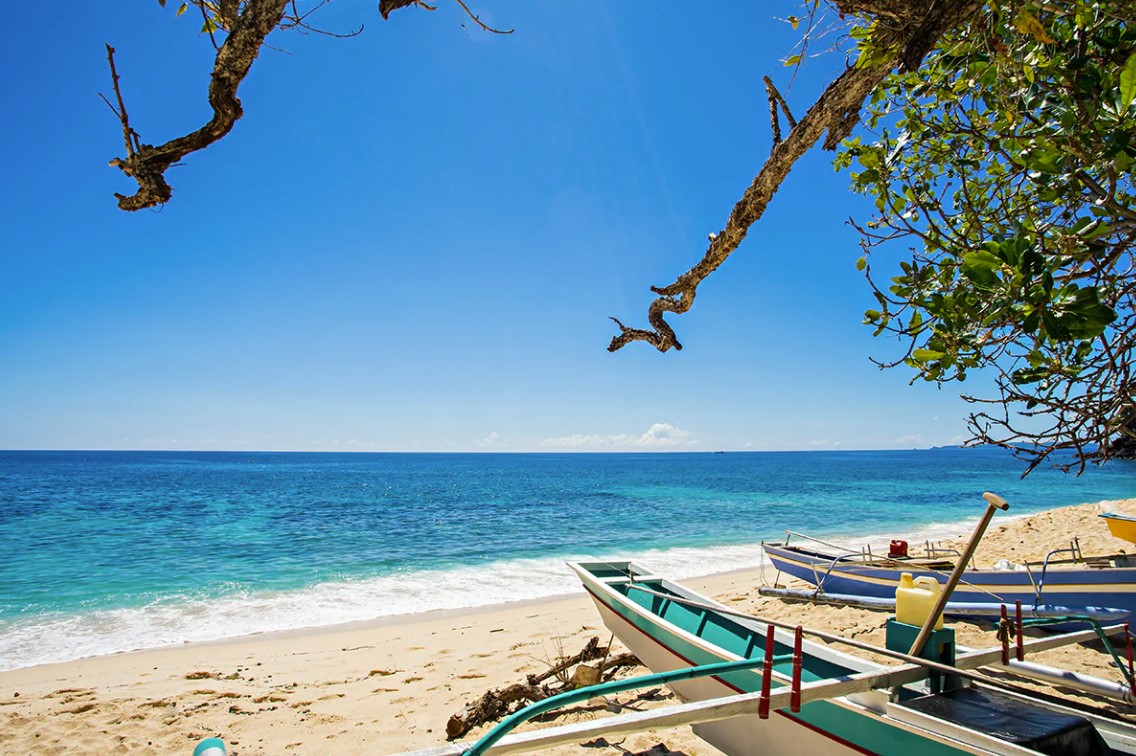
Mauritius is still associated with white beaches, turquoise waters and exclusive hotels. But as the country's tourism industry now focuses more attention on the Swedish market, the message is clear: the beach should be the beginning of the journey, not the whole journey.
In 2025, Swedish travelers accounted for around 40 percent of Nordic visitors to Mauritius, according to data from the tourism industry. Sweden is thus described as Mauritius' most important market in the Nordics.
Now the destination wants to build on that position.
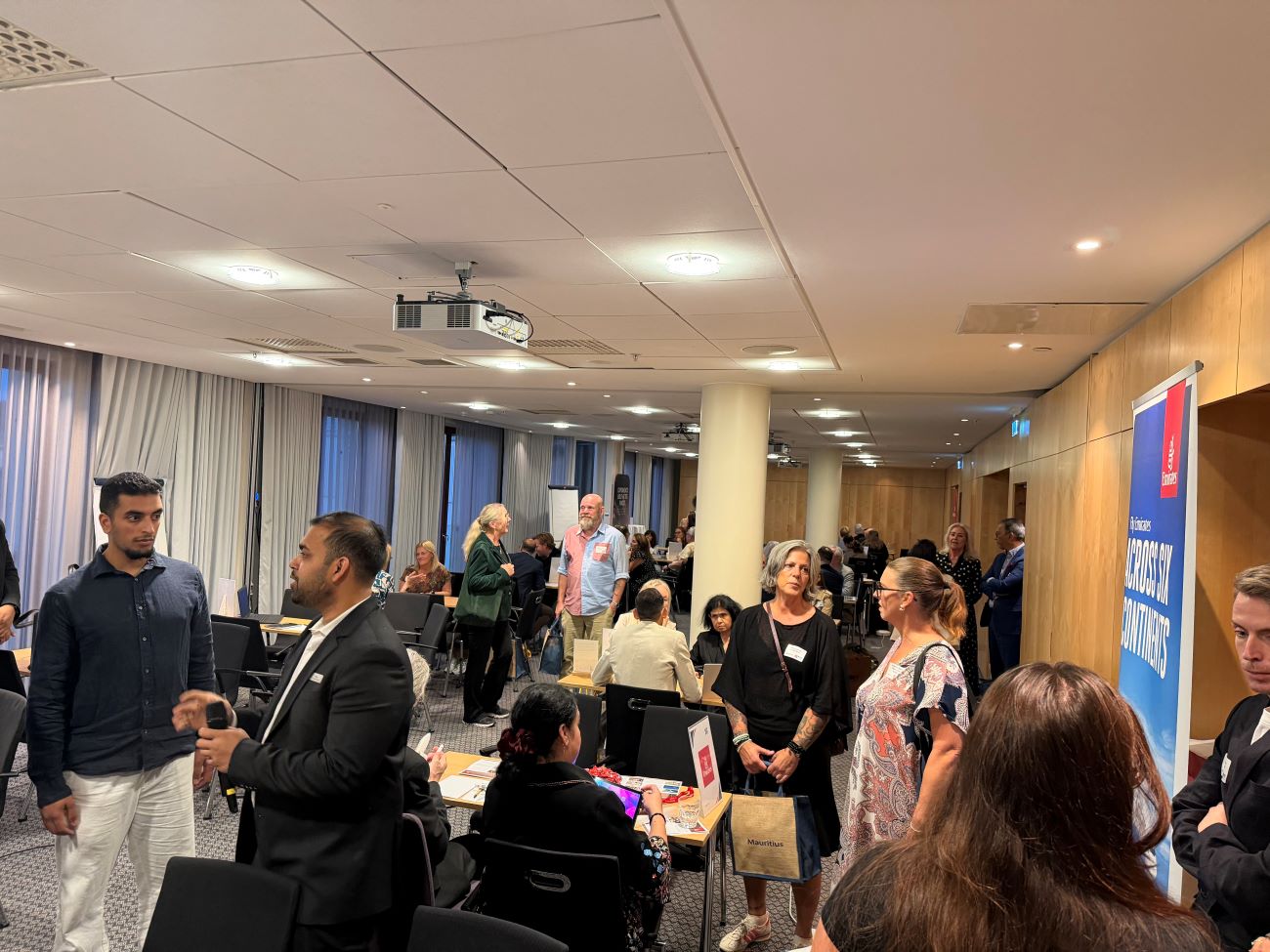
The initiative is being implemented through collaborations with the travel industry, roadshows and press activities, among other things. But the ambition is not just about increasing the number of visitors. Mauritius also wants to change the image of what a holiday on the island is.
Want to get away from the image of a pure beach destination
For a long time, Mauritius has been sold with much the same arguments as many other tropical destinations: sun, sea and beaches.
Now the tourism industry is trying to broaden the story.
Concepts such as ”Beyond the Beaches” or ”beach and beyond” is used to highlight what is available outside the hotel areas: hiking, gastronomy, history, nature, sports and meetings with locals.
For Mauritius, it is also a way to distinguish itself from other destinations in the Indian Ocean.
The Maldives, Seychelles and Zanzibar partly compete for the same long-distance holidaymakers. All can offer tropical climates and spectacular beaches.
Mauritius instead wants to highlight the variety.
On an island that is about 60 kilometers long and 40 kilometers wide, beaches, mountains, sugar cane fields, botanical gardens, markets and urban areas can be found within relatively short distances.
The tourist organization hopes that this particular combination will appeal to Scandinavian travelers who want to mix relaxation with activity and experiences.
Hiking and nature will attract northerners
One area that is increasingly being highlighted is active holidays.
Mauritius has hiking trails, opportunities for trail running and cycling, as well as kayaking and other water activities. The island's greener inland and southern parts feature waterfalls, mountains and a landscape that is distinctly different from the resort areas along the coast.
One of the most famous areas is Le Morne Brabant in southwest Mauritius.
The mountain is now a UNESCO World Heritage Site and holds a central place in the country's history. The area is associated with escaped slaves who sought refuge in the inaccessible terrain.
Further into the island lies Chamarel, known for, among other things, the Seven-Coloured Earth, where volcanic soil shifts into several shades of color.
In the north there is Pamplemousses Botanical Garden, with tropical plants and large water lilies.
These are the types of environments Mauritius now wants more visitors to include in their travels.
Culture should become a competitive advantage
But it's not just nature that sets Mauritius apart from other paradise islands.
The country's tourism representatives also highlight the population and cultural diversity as one of the destination's most important assets.
Mauritius has been shaped by, among other things, French and British colonial rule, African slavery, Indian indentured laborers and Chinese migration.
It is noticeable in everyday life.
In the capital, Port Louis, churches, mosques, Hindu temples and pagodas are located close together. English is the official language, while French and Mauritian Creole are widely spoken.
Even the food bears traces of the island's history.
Indian spices blend with Chinese influences, French culinary traditions and Creole flavors, and the selection ranges from street food and markets to upscale restaurants.
An example that the tourism industry likes to highlight is table d'hote, where travelers eat at the homes of local families.
For Mauritius, this type of experience fits well into the new positioning. It's about getting visitors to meet people and everyday life rather than staying within the resort's boundaries.
Flying is still a challenge
For Swedish travelers, there is also a clear disadvantage: the distance.
From Sweden, the journey normally takes place with at least one stopover. Paris, Istanbul and Addis Ababa are among the hubs used for onward travel to Mauritius.
For the tourism industry, good air connections are therefore crucial if the Nordic market is to continue to grow.
Mauritius is also trying to position itself as a year-round destination.
The Mauritian winter, roughly June to August, is cooler than summer but still mild. The sea can be around 25 degrees even during the winter months.
This means that Mauritius wants to get away from the notion of a destination that is only suitable for a limited part of the year.
Tougher battle for long-distance travelers
The focus on Sweden is taking place at a time when competition for long-distance holiday trips is fierce.
The Maldives have long held a strong position in exclusive resort holidays. The Seychelles compete with nature and beaches, while Zanzibar combines swimming with history and culture.
Mauritius therefore needs to offer a clear reason to choose this particular island.
The answer seems to be width.
One and the same trip should be able to include beach life, hiking, local food, culture, nature, sports and historical sites.
This is also where the Swedish market becomes particularly interesting. If Nordic travelers are more likely to seek active and eventful holidays, Mauritius can argue that the island offers more variety than the traditional image suggests.
The beaches will still be one of the main reasons to travel there.
But Mauritius no longer wants them to be the only thing.
For the country's tourism industry, the next step is therefore not just about getting more Swedes to book a trip.
It's about getting them to leave the sunbed once they're there.
Facts: Mauritius
Swedish market:
According to data from the Mauritian tourism industry, Sweden was the largest Nordic market in 2025, accounting for around 40 percent of Nordic visitors.
Flight:
From Sweden, the journey normally takes place with a stopover. Paris, Istanbul and Addis Ababa are some of the most important hubs.
Season:
Mauritius is marketed as a year-round destination. June–August is cooler and drier, while the Mauritian summer is hotter and more humid.
Language:
English is the official language. French and Mauritian Creole are widely used.
Beyond the beach:
Hiking, trail running, cycling, waterfalls, Port Louis, Le Morne Brabant, Chamarel, local gastronomy and table d'hôte.
Competitors:
The Maldives, Seychelles and Zanzibar are some of the destinations competing for the same long-haul holidaymakers.