



Swedish railways can be significantly improved through a number of concrete and immediate measures. This is shown by a new report presented today by the initiative Omtag Svensk Järnväg. The measures, if implemented, will have a rapid and noticeable effect. They are also economically viable and would result in a better functioning railway system – a railway lift.
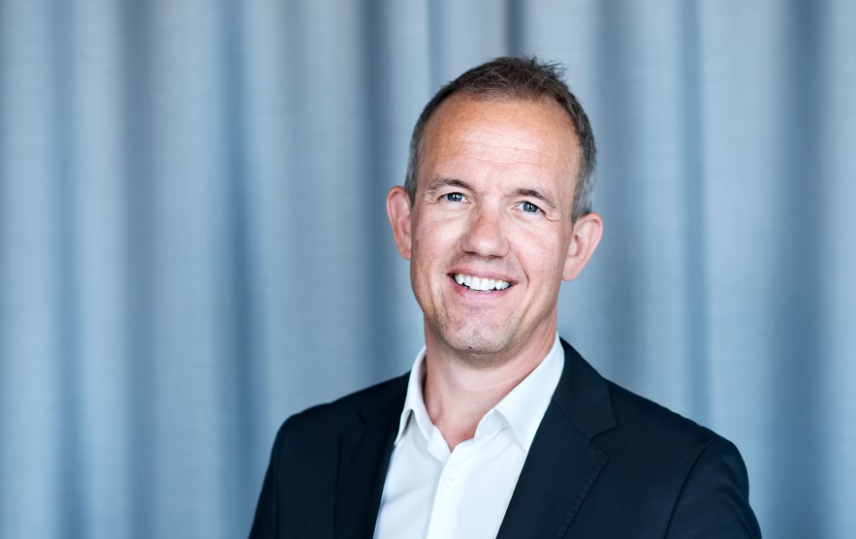
– The railway is badly worn after decades of inadequate maintenance. At the same time, train traffic has increased significantly over the past 30 years. We are therefore in a situation where Swedish competitiveness and growth require both powerful measures that produce rapid effects as well as planning for large, long-term investments in increased capacity. Let us join forces to accelerate the change, says SJ CEO Monica Lingegård, who has taken the initiative to Reclaim Swedish Railways.
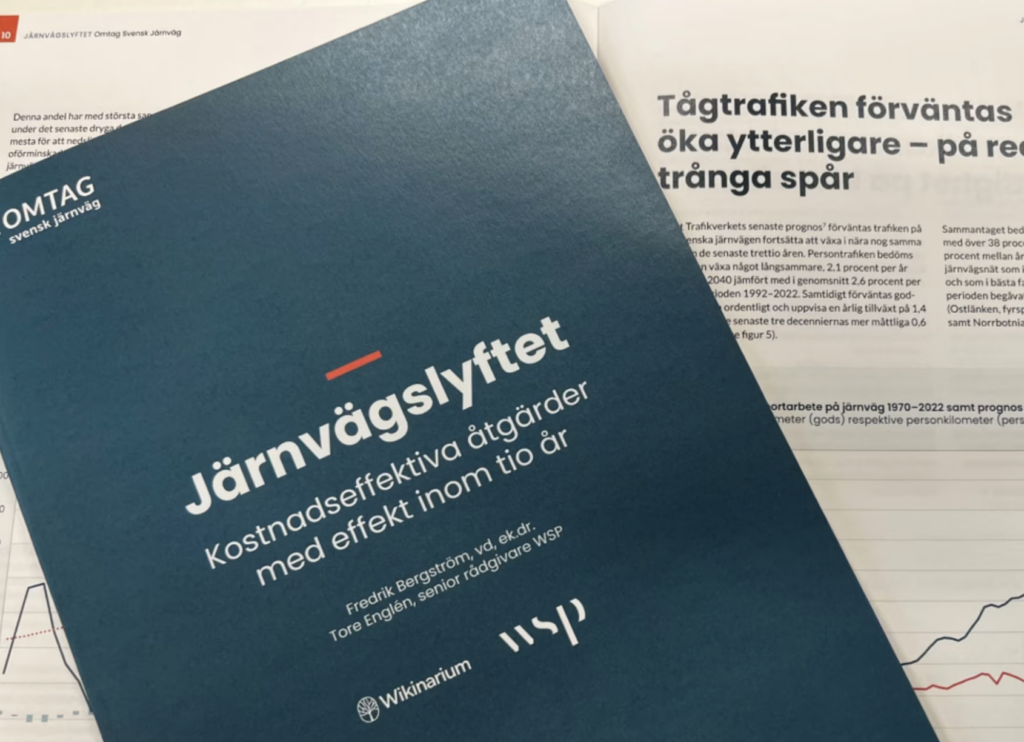
The report "The Rail Lift" was produced and written by Fredrik Bergström, PhD in Economics, and shows that a long series of measures with high profitability have not been included in the national plan for transport infrastructure.
“The report lists a large number of specific measures that would have a major impact on strengthening the capacity and reliability of the Swedish railways. These measures can also be implemented in a short time,” says Fredrik Bergström.
The need for investment in Swedish railways is great. The so-called maintenance debt amounts to around SEK 60 billion and continues to increase. The report includes around forty measures, including more efficient maintenance, regulatory changes and improvements to existing infrastructure.
Below are some of the overall proposed measures:
- Implement a comprehensive program of tuning measures with the aim of increasing the efficiency, safety and sustainability of the Swedish railways.
- Concentrate maintenance and reinvestments to a greater extent on the railway lines with the highest traffic flows.
- Address the low utilization of service windows, that is, the track time that the Swedish Transport Administration reserves for carrying out basic maintenance.
- Streamline maintenance by using efficient equipment and prioritizing rapid implementation when procuring maintenance.
- Let the needs of the business community have a greater impact in the work to increase the capacity and reliability of the railway.
According to the report, these measures can strengthen the railway's capacity and reliability in the short term. However, the conclusion is also that more efforts are needed to future-proof the Swedish railway system.
“Despite the great need for short-term measures, the focus must not be taken away from the railway's long-term needs. Planning for this type of measures must continue, not least to guarantee future freedom of action,” says Fredrik Bergström.
Seminar
The report has been written by, in addition to Fredrik Bergström, Tore Englén and WSP, and will be presented during a seminar on November 15 at 08:30 where, in addition to the report authors, the following people will also participate to comment on the conclusions in the report:
- Andreas Carlson, Minister of Infrastructure and Housing
- Monica Lingegård, CEO of SJ
- Per Lyrvall, Sweden Manager Stora Enso
- Stefan Sjöstrand, CEO of Skistar
- Maria Stockhaus (M), Member of Parliament
- Gunilla Svantorp (S), Member of Parliament
Link to webcast of the seminar
According to the press release.