



SJ is heading towards record occupancy and is investing SEK 19 billion in new and upgraded trains. Despite the large investments, CEO Jonas Abrahamsson expects ticket prices to fall rather than rise as the company gets more trains and more seats.
After just over six months as CEO of SJ, Jonas Abrahamsson notes that demand for train travel is strong.
The number of trips sold increased by 7 percent during June–August compared to the corresponding period last year. This was despite a lower traffic supply due to, among other things, track work and disruptions.
– We have record occupancy this summer. It is a very strong market and more people than ever want to travel by train, says Jonas Abrahamsson to Dagens Industri.
19 billion is invested in trains
A central part of SJ's future plan is investments totaling SEK 19 billion in the vehicle fleet. The investment includes both upgrading existing trains and purchasing new ones.
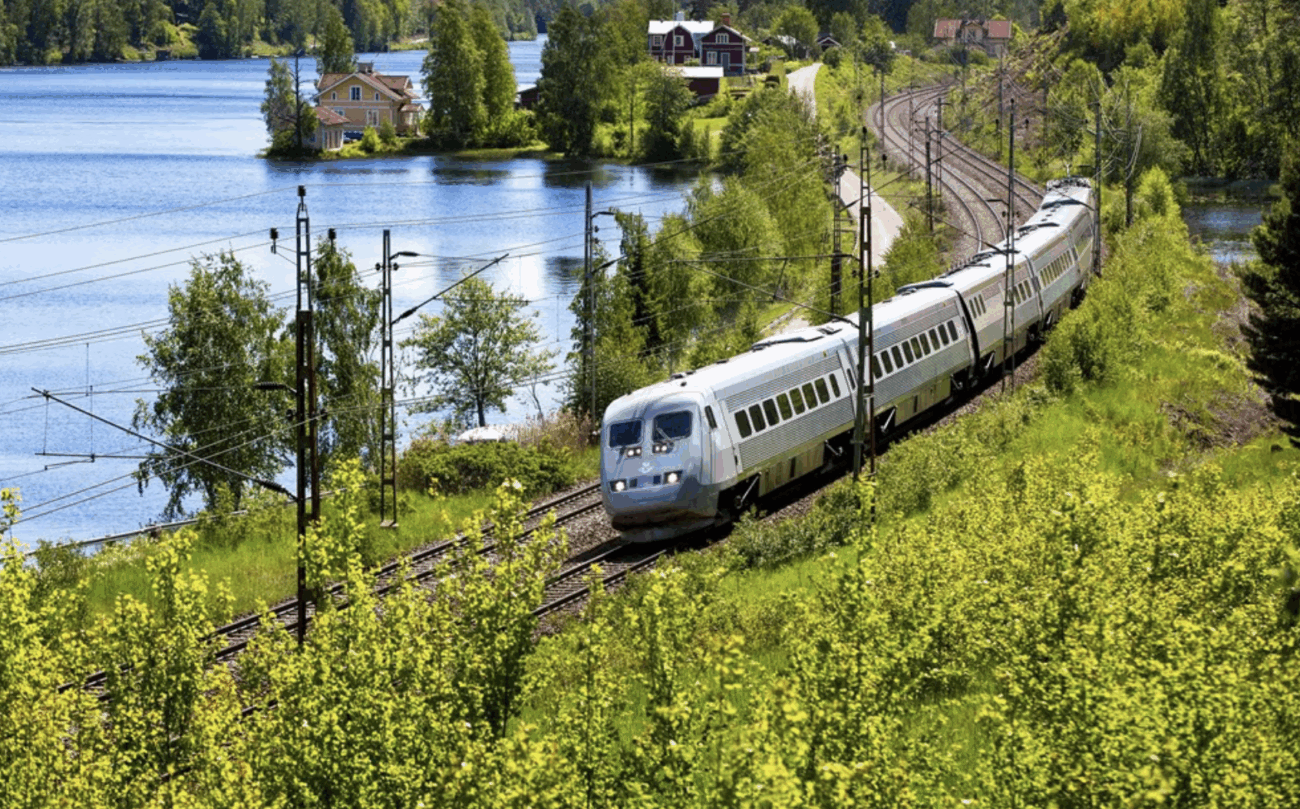
Around half of the X2000 trains have received new interiors. In addition, SJ has ordered 25 new express trains and 25 regional trains, which should be in service by 2030.
The investments also include new workshops and technology that will make it possible to detect technical problems before they lead to disruptions.
The majority of the investments, around SEK 14 billion, will be financed in the coming years through a combination of cash flow and new loans.
Expect downward pressure on prices
Despite the investments and the demand for continued profitability, Abrahamsson does not expect ticket prices to need to be increased.
– All other things being equal, it's rather the opposite. I expect the price picture to be pushed back, he tells Di.
The explanation is, among other things, that the new trains have more seats. When capacity increases, SJ can accommodate more passengers and thus grow without having to drive up prices.
SJ has set a goal of increasing the number of trips by 50 percent by 2030, with 2023 as the base year.
– If we are going to succeed in this, we need to stimulate the market a bit. When we can run more, and more people want to travel by train, it will be a good deal for us anyway, says Jonas Abrahamsson.
Want to improve customer satisfaction
At the same time, challenges remain. SJ ranked bottom when the Swedish Quality Index last measured customer satisfaction in the passenger transport sector.
Since Abrahamsson took office, the company has identified three priority areas: daily operational delivery, the vehicle fleet, and customer service and information.
According to SJ, nine out of ten trains arrive on time. Abrahamsson states that around four-fifths of the disruptions are caused by deficiencies in the infrastructure and are therefore outside SJ's direct control. The remaining 20 percent the company itself needs to get better at handling.
“When it comes to our operational delivery and customer satisfaction, we are not satisfied. We need to get better at handling customers, especially when things don't go as planned,” he says.
Increased revenue and profits
At the same time, SJ is doing well financially. During the first half of the year, revenue amounted to SEK 7.4 billion, while operating profit was SEK 424 million. The operating margin was 5.7 percent.
The company's strong balance sheet and low debt will provide room for investments in the coming years.
– Commercially, things are going very well for us, says Jonas Abrahamsson.
Source: DI.SE