



Weather and track work affected train traffic last year.
Delays increased and punctuality for passenger trains became the worst in several years, according to figures from the Swedish Transport Administration.
In 2018, 87.8 percent of passenger trains arrived on time, according to preliminary statistics from the Swedish Transport Administration. This is 2.5 percentage points lower than the previous year – and the first time in several years. as the figure falls below 90 percent.
Trains that arrive more than five minutes behind schedule or are canceled are counted as delayed in the statistics.
Roberto Maiorana, Head of Traffic Management at the Swedish Transport Administration, points out that in 2018 a record number of trains were operated in Sweden, almost one million, and that the number of passengers increased by three percent.
”"We have also never made so many efforts in the form of maintenance or investment work in the railway. This means that we had a tough situation right from the start," he explains.
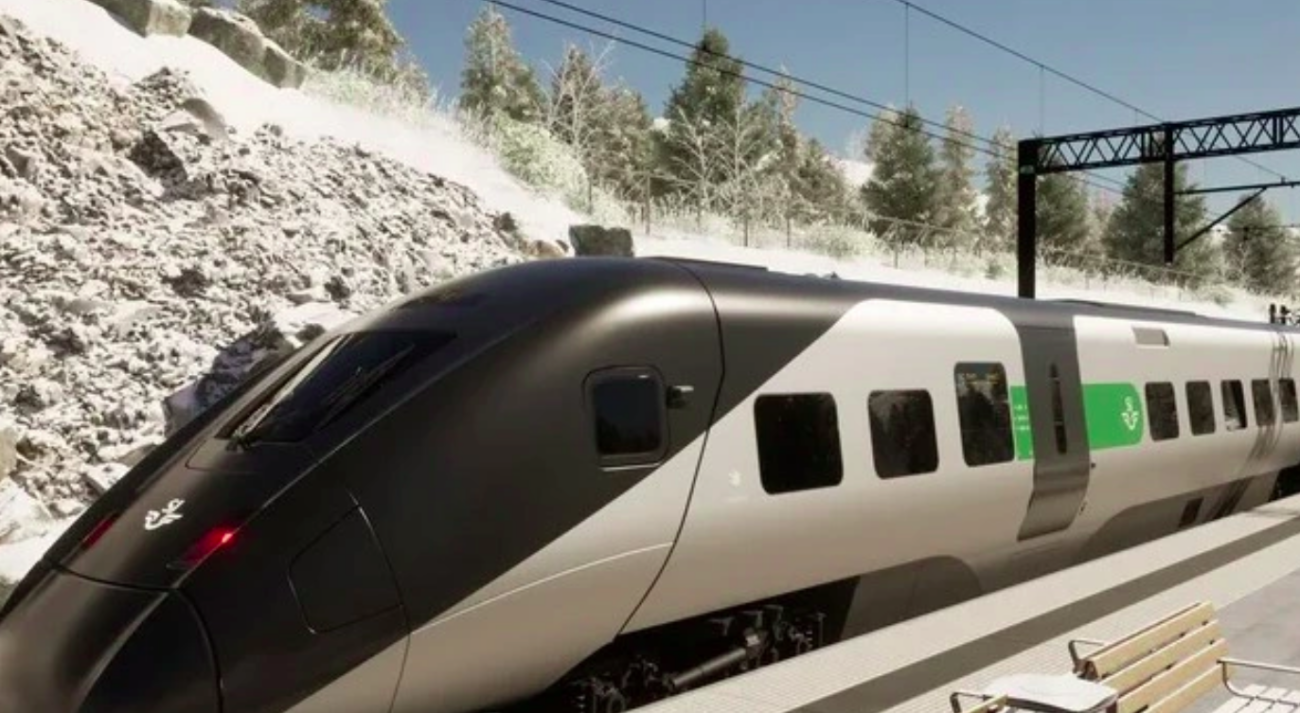
In addition, 2018 saw a long and snowy winter that led to many train cancellations and more wildlife accidents when animals sought out the track area. The rapid change to warmer weather led to frost damage, and during the summer, rail traffic was affected by fires and a record number of sunstrokes.
”This contributes to our punctuality declining compared to a fairly stable time for quite a few years,” says Roberto Maiorana.
However, there is a small brightening in the statistics: For December, punctuality was 91.4 percent, the best for a December month since 2014.
”"During the autumn we have taken a number of measures and we believe they are already having a small effect in December," he says, mentioning as an example that no maintenance work is allowed during important travel holidays such as Christmas."”
The Swedish Transport Administration's goal is 95 percent punctuality by 2020.
Source: TT