
Two of Europe's three independent low-cost airlines are hanging on by the ropes after the oil price shock put a damper on their fortunes. Now the market could be redrawn significantly – and the loser will be the traveler, predicts aviation expert Jan Ohlsson.
”Prices will go up – the question is just how high they can go before people start backing out,” he says.
In Europe, there are three large independent, low-cost carriers that have been fiercely competing with each other. But there is a risk that soon only one of them will remain.
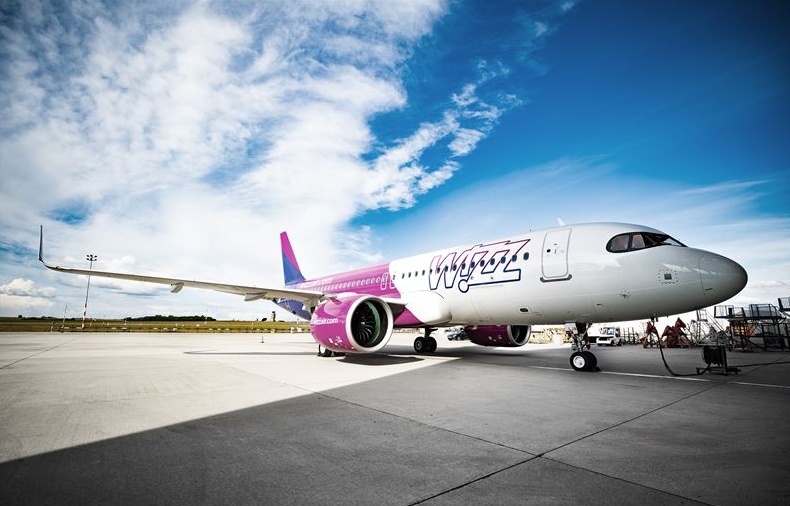
Wizz Air recently reported a loss of SEK 2.2 billion in the second quarter. At the same time, Easyjet is being bought by the American investment fund Apollo.
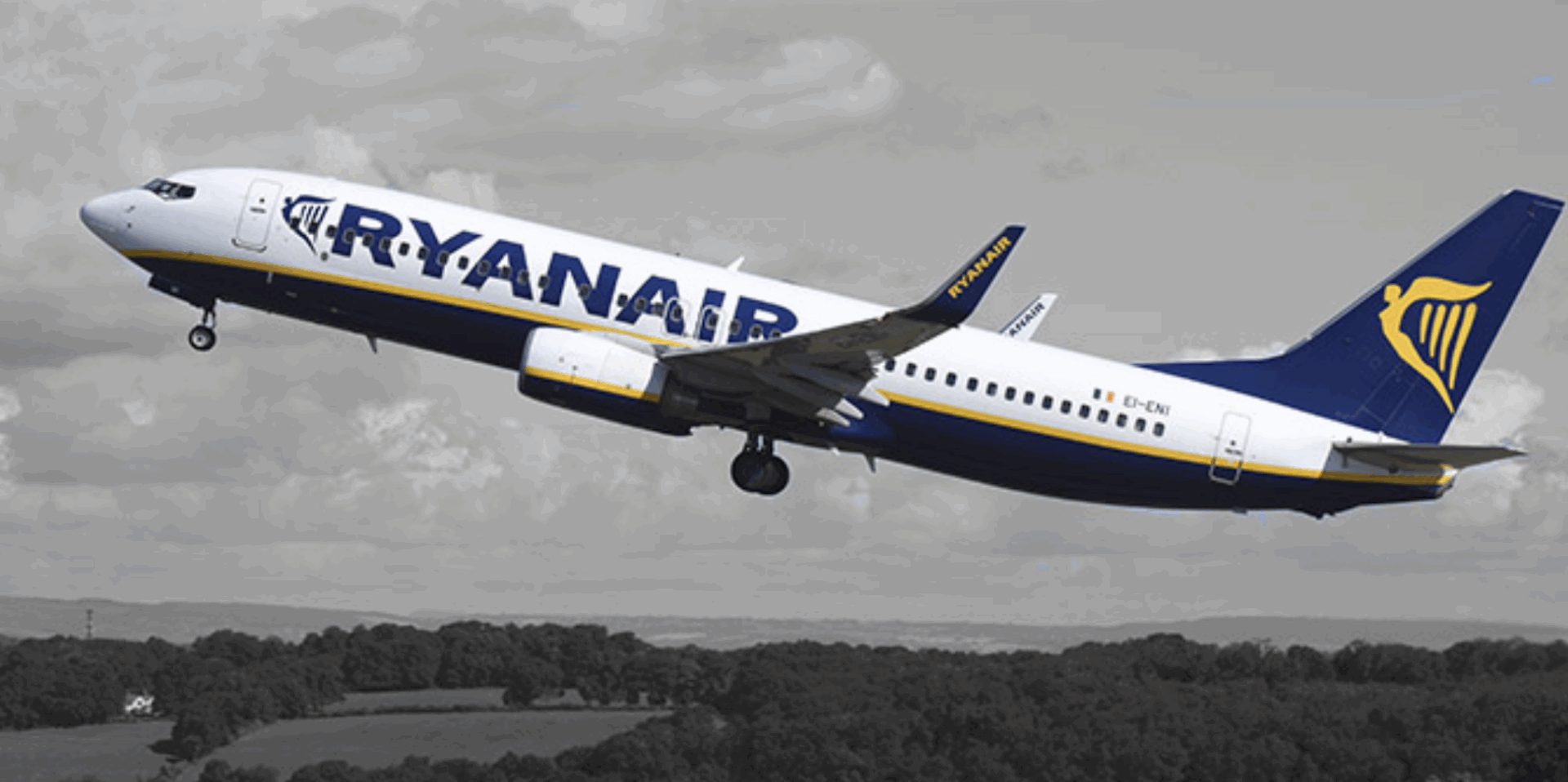
This could redraw the map for the low-cost industry in Europe – and leave Ryanair as the sole master of the game, says aviation expert Jan Ohlsson.
”The question is what does Ryanair do then?” he says.
When summer turns into autumn, the moment of truth awaits the companies, says Jan Ohlsson.
”"It's been a good summer for aviation after all. But now the holidays are coming to an end and then there will be a shortage of travelers."”
According to Jan Ohlsson, it will become clear which companies are in a bad position when traffic starts to slow down and the costs have to be paid.
”Then you have to take action quickly,” he says.
It is the high oil price as a result of the war in Iran that has hit the aviation industry – and those who have had major problems are those who have previously struggled with structural challenges.
”The oil price is the last straw,” says Jan Ohlsson.
This applies not least to Wizz Air, whose billion-dollar loss is just one in a series of problems for the company.
”They have made a lot of missteps in an attempt to catch up with Ryanair,” he says.
For example, Wizz Air, which was previously based in Eastern Europe, has tried to break into the British market, where Ryanair is dominant. At the same time, the company has invested in long-haul flights.
”"Now they are desperately investing in the core business, but the question is whether it will be enough," says Jan Ohlsson, emphasizing that the company could go bankrupt if the oil price continues to be high.
For Easyjet, the story is partly different. The company's profit plummeted by 70 percent in the last quarter – but now it has secured new owners in the form of American Apollo. But the company's survival is still a question mark, says Jan Ohlsson, who believes that Apollo may break up and sell the company. He thinks the purchase price, around the equivalent of 70 billion Swedish kronor, is "hair-raising".
”"The company already has 90 percent occupancy, so how do you increase revenue? You can raise prices, but then many travelers will give up or go to a competitor," he says.
He believes that In that case, it will mainly be the big players in the industry who will buy the parts of Easyjet. But he also does not rule out the possibility that Ryanair will strike.
”"Ryanair never usually buys up competitors, but Easyjet has really been a bitter rival, which could change that," he says.
That would leave Ryanair alone of the three independent low-cost carriers.
However, there are a host of other low-cost players that are either owned by larger groups, such as Lufthansa's Eurowings, and there is also the listed Norwegian. However, these are not pure low-cost players in the way that the trio of Easyjet, Wizzair and Ryanair are.
”There is a type of middle sector,” says Jan Ohlsson.
It's not just low-cost airlines that are having problems. Several large companies are having a very difficult time right now, including Lufthansa. The risk is that the cuts will be large across the entire industry.
”"Competition is being stifled. That means prices will go up – the only question is how high they can go before people start backing out," he says.
Source: DI.SE