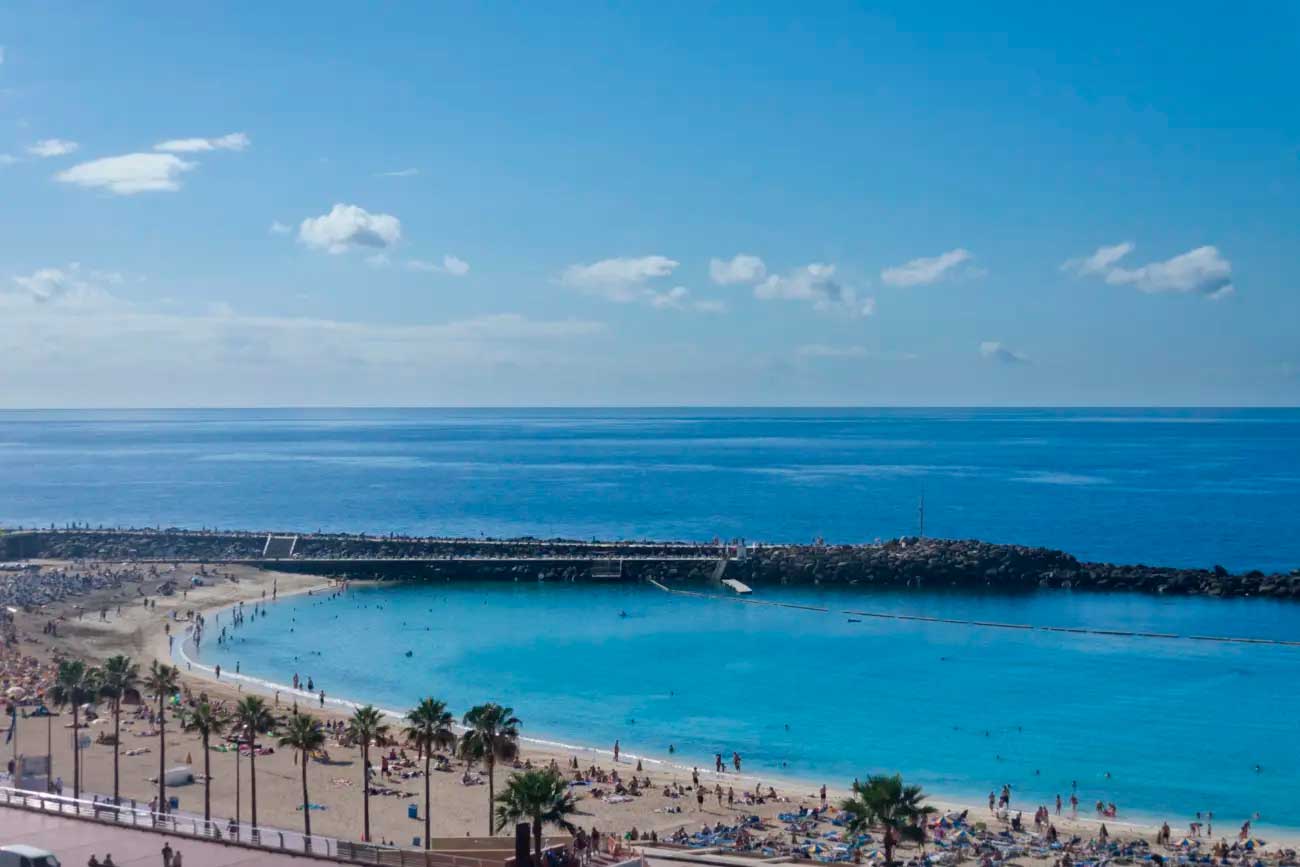

The island of Mallorca is one of the areas in Spain where the coronavirus has spread the fastest in the past week. More and more countries are advising their citizens against traveling to the tourist island.
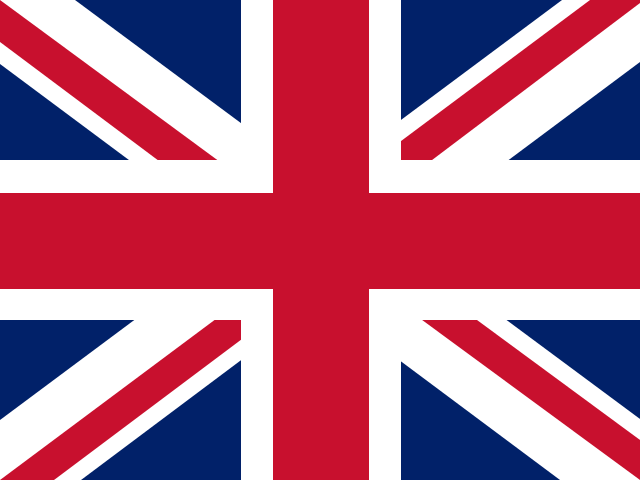
It was only a couple of weeks ago that companies in the tourism sector in Mallorca felt unfairly treated when British quarantine rules were imposed on all of Spain despite the infection rate being much lower in Mallorca. Now the picture is completely different.
The infection has spread rapidly on the island in the past week and is now several times more widespread than in, for example, Sweden and clearly above the average in Spain.
This week, Germany added Spain to its list of risk areas in addition to the Canary Islands, and this weekend the Netherlands expanded its list to also include Madrid and Mallorca, according to the Dutch public service broadcaster NOS.
A hard blow to the tourism industry in Mallorca.
“It has been and is a tough week,” says Isabel Vidal, who chairs an organization for hotel owners in Playa de Palma on Mallorca, to the Spanish public service broadcaster RTVE. First, the British almost completely disappeared, and now the second largest group is disappearing – the Germans.
The spread of infection is increasing significantly in many of Spain's 17 regions, but in the past week the Balearic Islands, where Mallorca is located, and the capital Madrid have stood out in particular. Four more regions in northeastern Spain have had even higher rates of infection for some time.
Spanish Maria Neira, who is head of department at the World Health Organization (WHO), is worried about the future in Spain.
“There are regions and geographical areas that are facing a new emergency,” she says.
Source: sverigesradio.se