



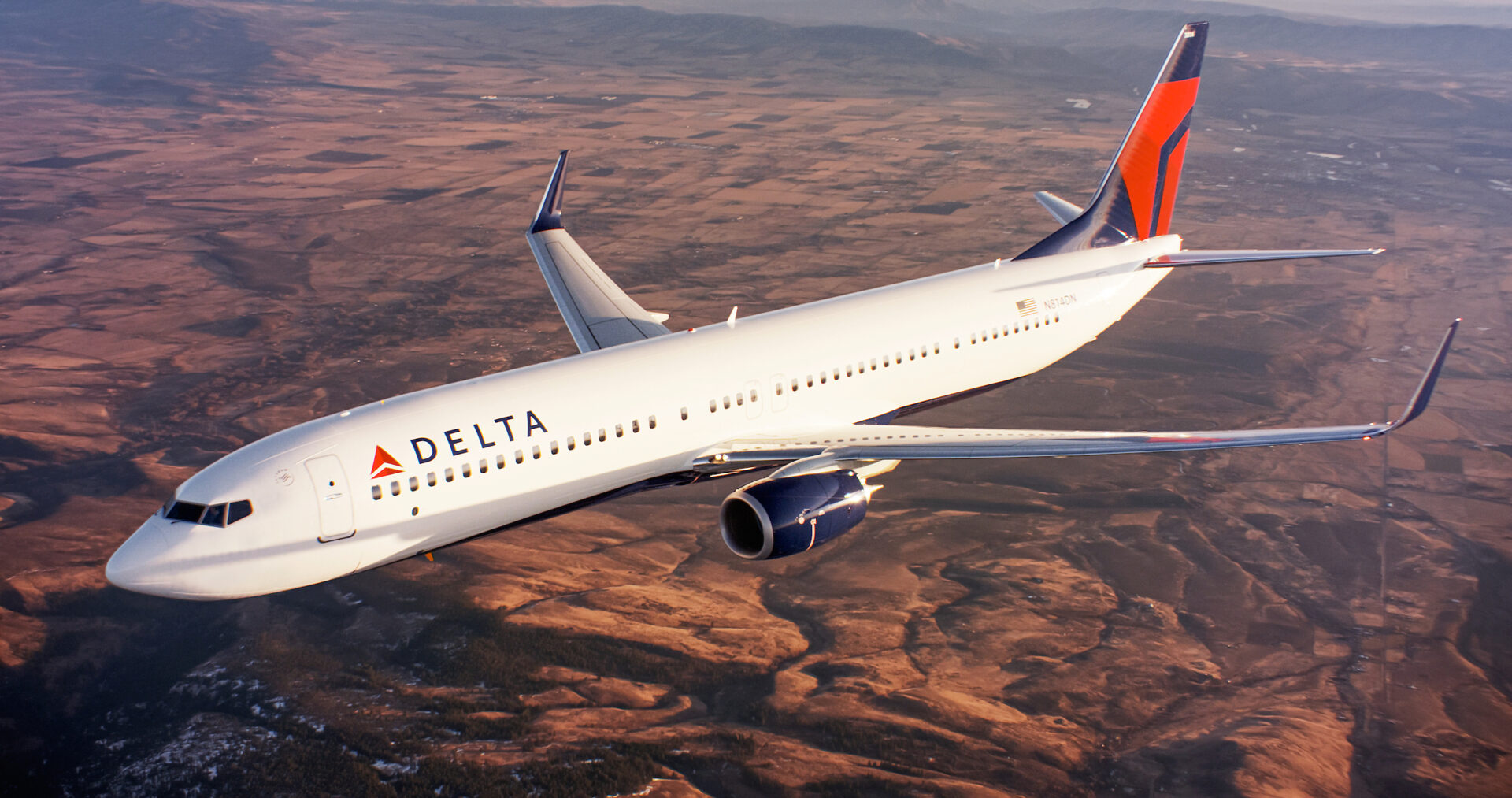
Delta Air Lines is to equip all of its Boeing 737-800 and 737-900ER aircraft with so-called Finlets from Vortex Control Technologies (VCT). Once the installations are completed, the initiative will cover a total of 240 aircraft.
The decision follows extensive evaluation work between Delta and VCT where flight tests, operational analyses, and aerodynamic studies were conducted to verify the technology's effect on fuel consumption and flight performance.
Reduces air resistance
Finlets are aerodynamic components that are mounted on the rear fuselage of an aircraft. Their purpose is to optimise airflow around the aircraft, reduce drag, and consequently lower fuel consumption.
The technology works by reducing turbulence and improving pressure distribution along the fuselage, leading to lower energy consumption during flight and reduced carbon dioxide emissions.
– Equipping Delta's Boeing 737-800 and 737-900ER fleet with Finlets is a significant milestone for VCT. We are proud to offer a practical solution that helps airlines improve fuel efficiency, reduce emissions, and strengthen their profitability, says Gil Morgan, CEO of Vortex Control Technologies.
Part of Delta's sustainability work
The installation is part of Delta's long-term work to streamline the fleet and reduce its climate impact through technical improvements to existing aircraft.
According to Delta, jet fuel accounts for around 90 percent of the company's total carbon emissions, making measures to reduce fuel consumption particularly important.
Delta is continuously seeking partnerships and innovations that improve performance, reduce environmental impact, and create long-term operational benefits. We appreciate the collaboration with VCT and look forward to implementing this solution as part of our ongoing fleet efficiency initiatives, says Amelia DeLuca, Chief Sustainability Officer at Delta Air Lines.
Data-driven decision
Extensive analyses of flight test data, operational trends, and calculations using CFD (Computational Fluid Dynamics) simulations on Delta's 737NG fleet were carried out before the decision.
Through the initiative, Delta continues to invest in measures aimed at reducing both costs and climate impact, while the airline improves the operational efficiency of one of its largest aircraft fleets.
Source: breakingtravelnews