
Montenegro continues to attract an increasing number of international travellers with its combination of the Adriatic Sea, dramatic mountain landscapes, historic towns and gastronomic experiences. Within a relatively small area, it encompasses everything from World Heritage sites and national parks to vineyards, wellness centres and coastal resorts.
Here are five reasons to put Montenegro on your travel list in 2026.
1. Historic cities and cultural heritage
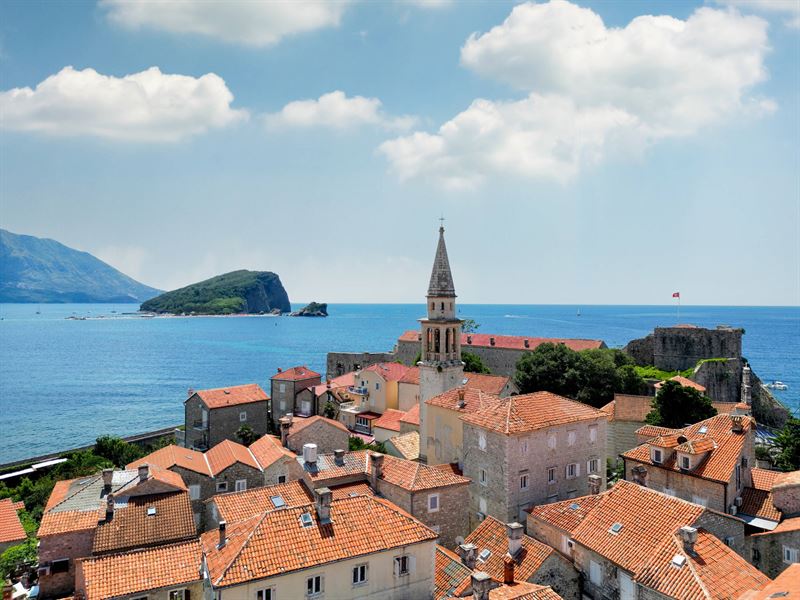
Montenegro offers a rich cultural heritage with several well-preserved historical sites. Kotor, whose medieval old town is a UNESCO World Heritage site, is spectacularly located between mountains and the fjord-like Bay of Kotor. Budva also entices with its old town, while also offering a modern range of restaurants, bars and nightlife.
The former royal capital of Cetinje offers an insight into the country's history, while Ostrog Monastery – built directly into a steep cliff face – is one of the Balkans' most visited pilgrimage sites.
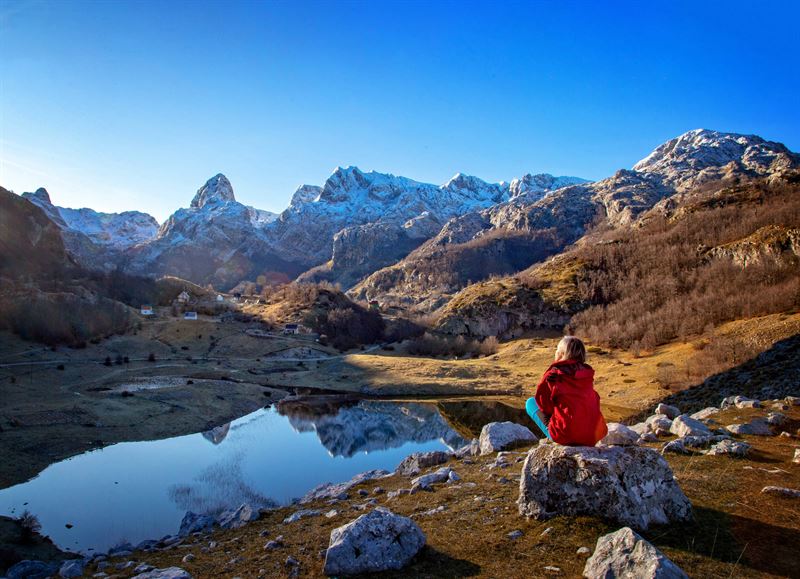
2. Year-round nature experiences
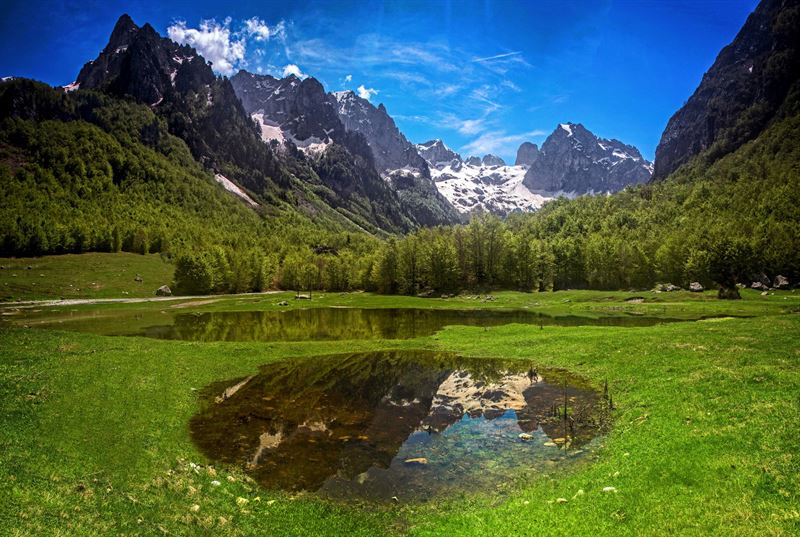
For the active traveller, there are great opportunities for hiking, white-water rafting and nature experiences. Durmitor National Park offers alpine landscapes, glacial lakes and deep canyons, with the Tara Canyon being Europe's deepest and a popular centre for rafting.
At Lake Skadar, the Balkans' largest lake, boat trips, birdwatching and fishing excursions are offered with local guides. Several rural areas are also focusing on agritourism, where visitors can stay on farms and experience local country life.
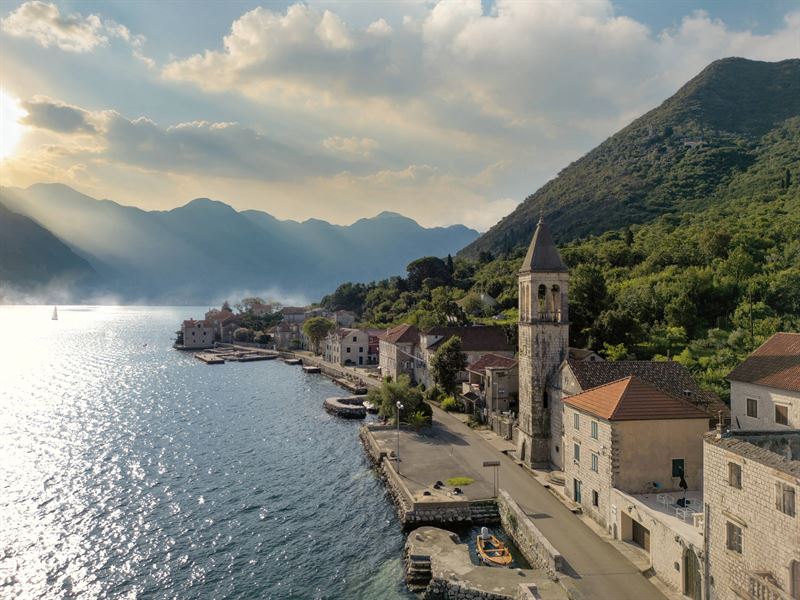
3. Gastronomy and wine traditions
Montenegrin cuisine combines flavours from both the coast and the interior. Fresh fish and seafood are dominant along the Adriatic Sea, while air-dried ham from Njeguši, the corn dish kačamak, and the fried dough balls priganice are among the local specialities.
Wine production has a long tradition, particularly in the Crmnica region where the local Vranac grape is grown. Visitors can choose between tastings at both large wine producers and smaller, family-run wineries.
4. Living traditions
Montenegro has preserved many traditions that are still carried on today. In the coastal town of Perast, the centuries-old Fašinada is held every summer, where locals use boats to throw stones around the island of Our Lady of the Rocks to preserve the man-made island.
In Kotor, maritime traditions are celebrated during Boka Night with decorated boats, music, and fireworks. The country is also home to several UNESCO-listed cultural heritage sites, including the traditional Dobrota lace-making (Dobrotska čipka) and the medieval grave monuments known as stećci.
5. Välbefinnande och avkoppling
Montenegro has developed a growing offering in wellness and sustainable travel. Along the coast, hotels in areas such as Luštica Bay offer spas and treatments, while the inland areas attract with glamping, yoga, and nature retreats.
The renowned health resort in Igalo has been attracting visitors for over a century with treatments based on mineral-rich seawater and therapeutic mud, and remains one of the country's most established wellness destinations.