




While many European destinations grapple with overtourism, crowds, and congested attractions, Georgia is choosing a different path. The country is increasingly focusing on slow travel – a way of travelling where natural experiences, local encounters, and sustainable development are at the centre.
Nestled between the snow-capped peaks of the Caucasus, ancient wine regions, and the Black Sea coast, Georgia beckons travellers seeking to discover destinations at a gentler pace and connect more closely with nature and culture.
Nature creates the conditions.
Georgia's landscape is unusually diverse. Over relatively short distances, visitors encounter high mountains, green valleys, national parks, and coastal environments. This diversity makes the country particularly attractive for longer stays and trips off the beaten track.
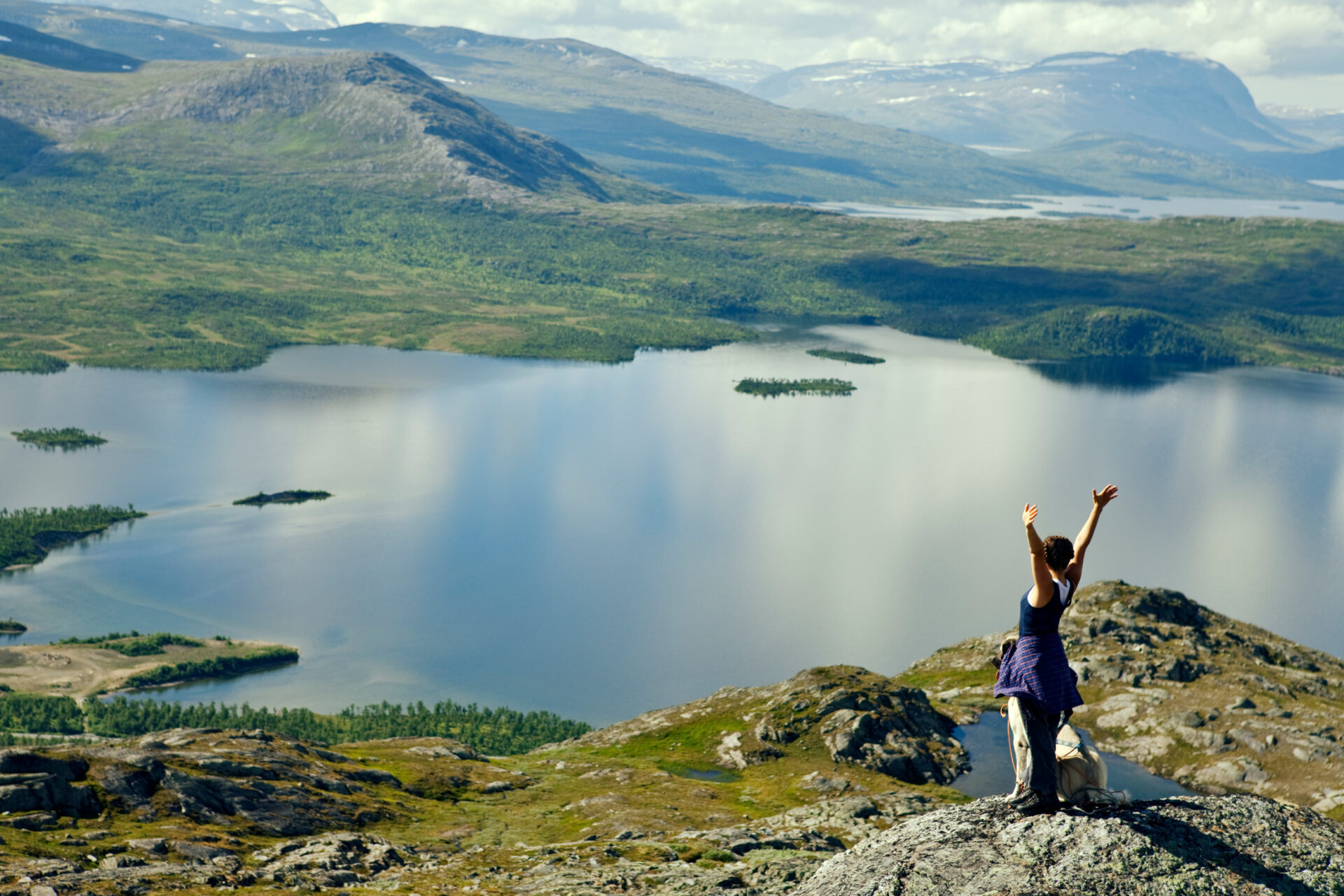
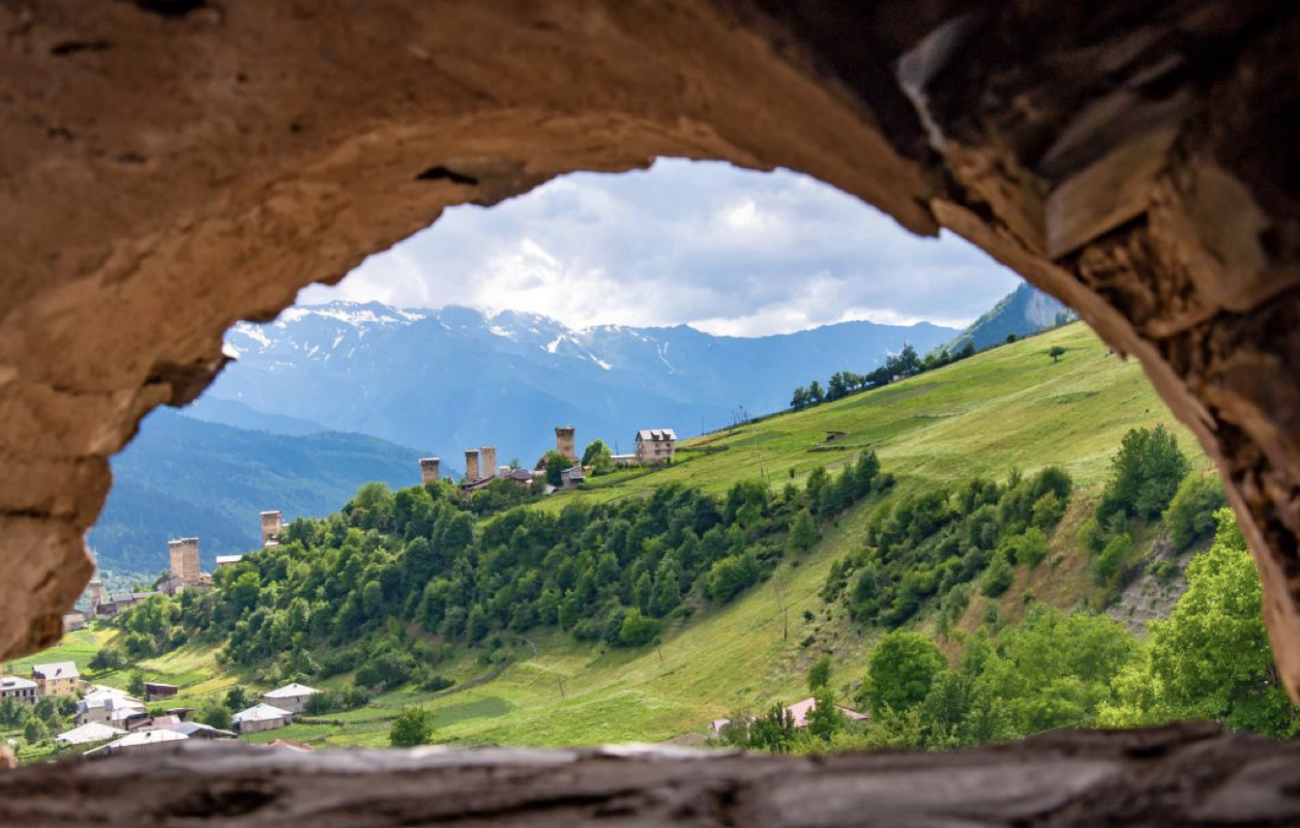
Regions such as Svaneti and Tusheti offer hikes between small mountain villages, overnight stays in family-run guesthouses, and close encounters with local people. Many walking arrangements are run in conjunction with local guides, helping to ensure that income remains within the regions and assists in preserving traditional ways of life.
Even national parks like Borjomi-Kharagauli and Lagodechi attract with nature-based experiences where the focus is on peace, sustainability and recovery.
Hospitality at its finest
Georgian hospitality is a central part of the country's identity. Encounters between people naturally arise through meals, conversations, and spontaneous invitations.
A clear example is the traditional Over, the Georgian feast, where food, wine, and togetherness play the leading roles. For many visitors, these social experiences become one of the strongest memories of their trip.
Wine and gastronomy with thousand-year traditions
Georgia is considered one of the world's oldest wine-producing nations. The country's wine tradition stretches back over 8,000 years and its unique method of storing wine in buried clay vessels, known as qvevri, is on UNESCO's list of Intangible Cultural Heritage.
At small family-owned vineyards, visitors have the opportunity to meet the winemakers and learn about traditions that are still carried on.
The Georgian cuisine is also characterised by local ingredients, seasonal adaptation, and craftsmanship. Walnuts, herbs, cheeses, and fresh vegetables are recurring elements that make meals an important part of the travel experience.
Focus on quality over quantity
At the same time, Georgia is developing its tourism strategy with an increased focus on sustainability, regional development, and the protection of natural and cultural heritage sites.
The aim is to create long-term growth without losing the authenticity that has become one of the country's greatest assets. With high quality, strong local roots, and a competitive price level, Georgia is increasingly emerging as an alternative for travellers seeking something other than Europe's most visited destinations.