

Spain's most important industry, tourism, is bleeding to death in the virus crisis. The uncertainty about the future is total. The situation may not return to normal until 2022, according to an expert.
After eight consecutive record years for Spain as an international tourist destination, the industry looked forward to 2020 with great confidence.
It is now clear that this will be the worst year yet for the tourism industry, writes El País.
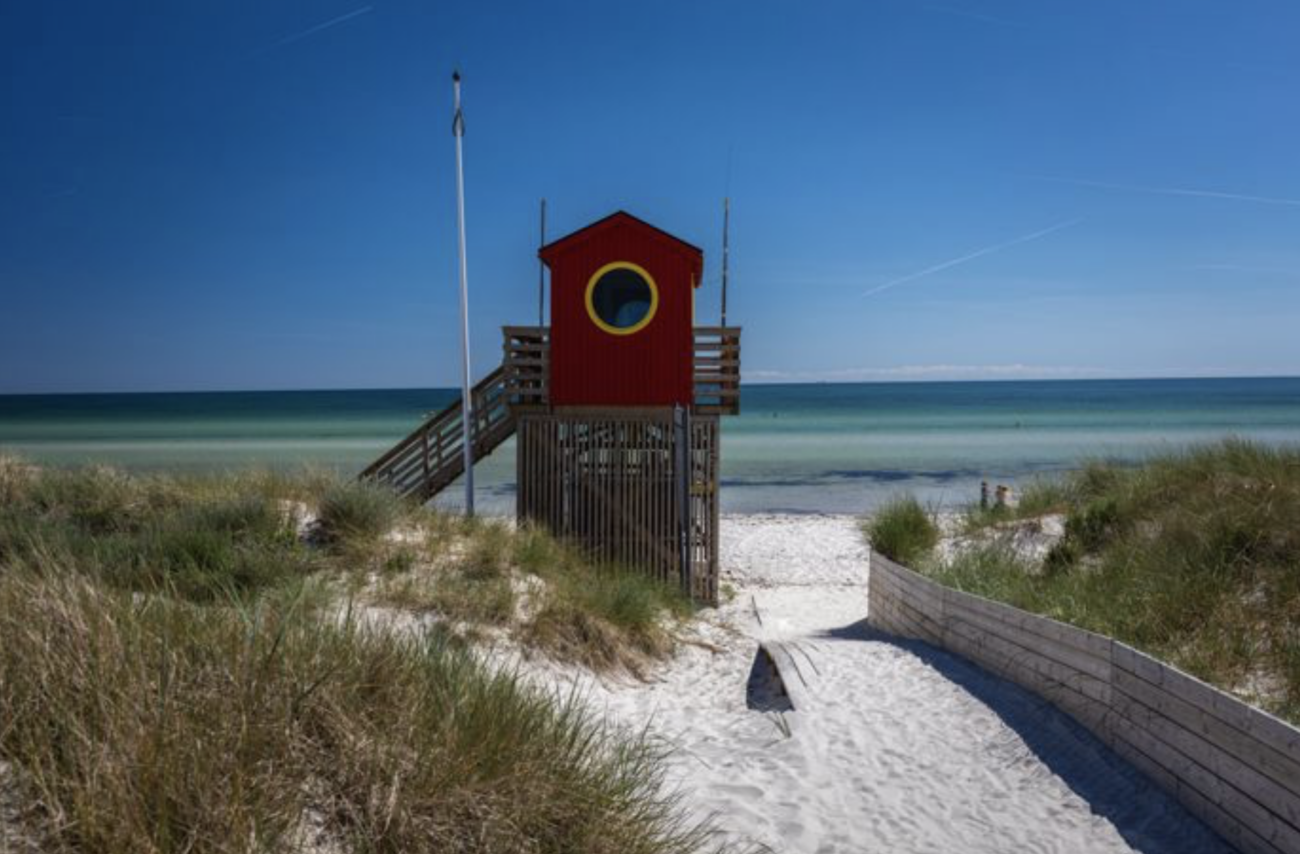
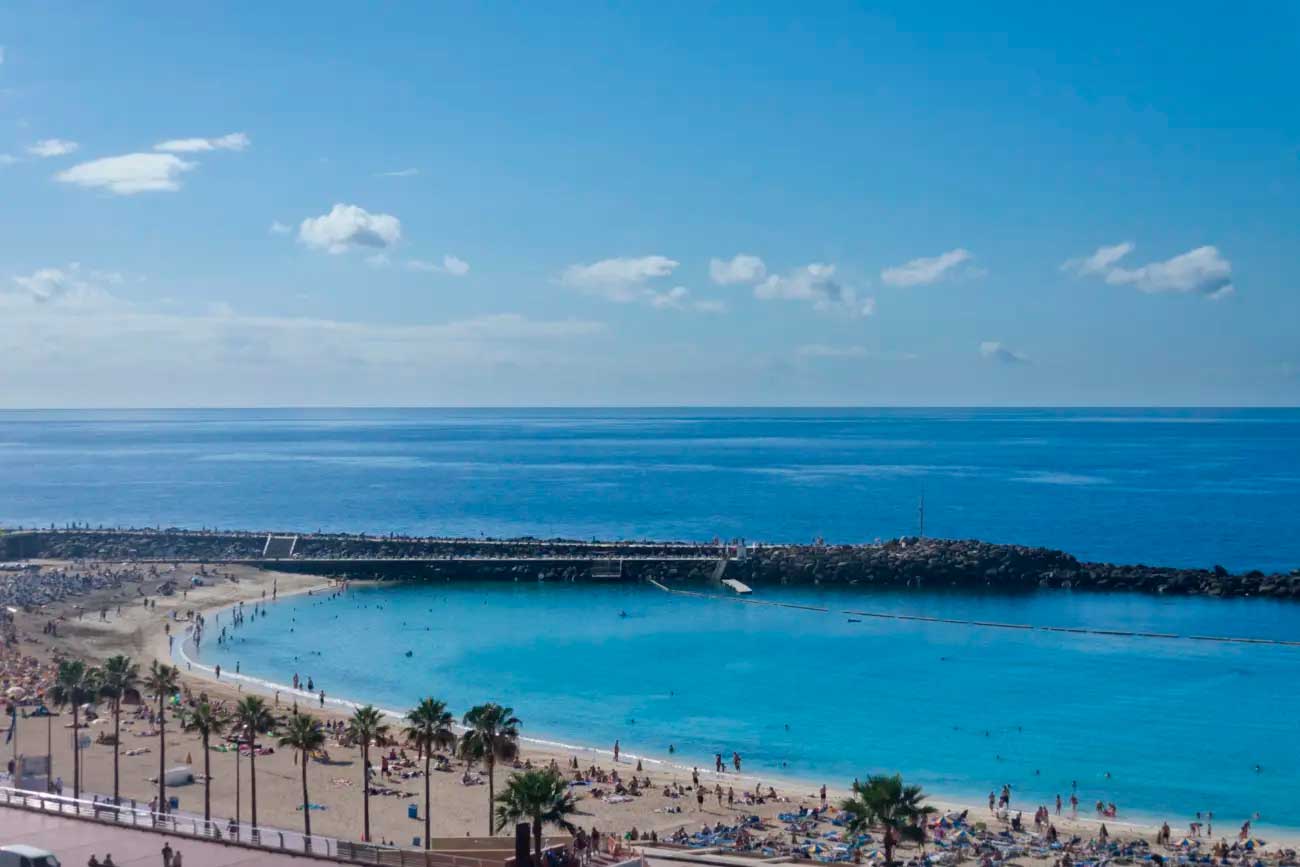
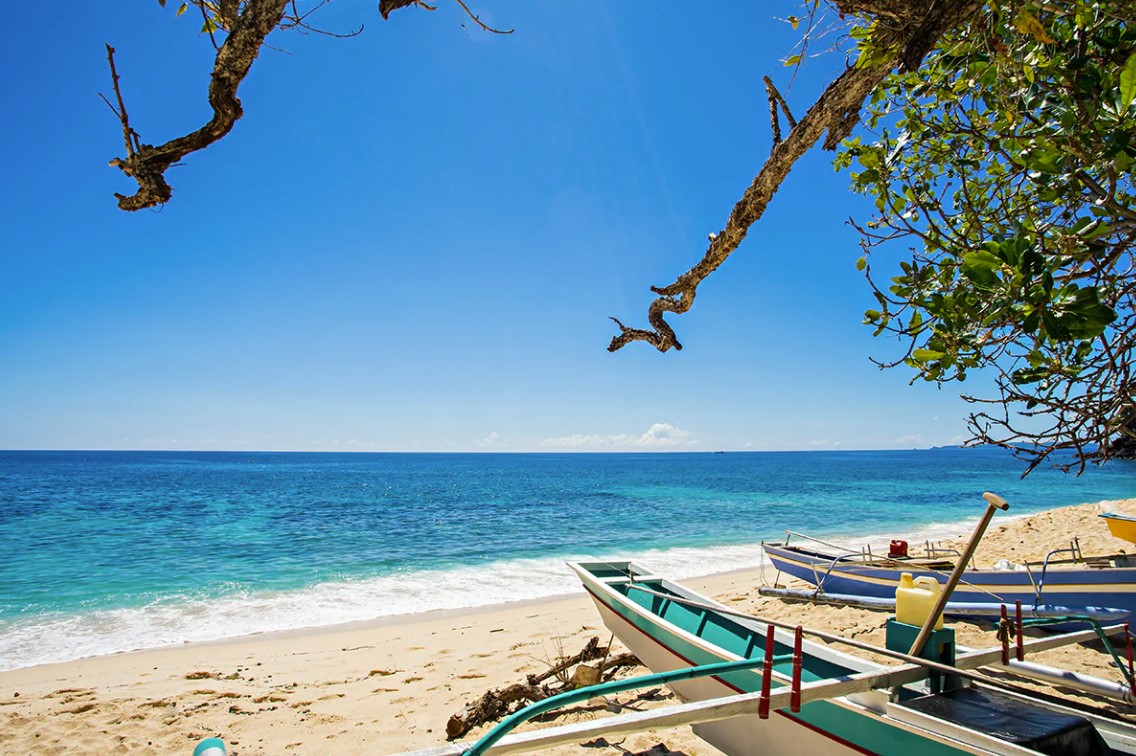
During Easter week, Spanish beaches are normally packed. This year they were deserted.
The national state of emergency has been extended until May 9. Strict restrictions limit citizens' mobility. Borders are closed and airports are quiet.
Prime Minister Pedro Sánchez emphasizes that the restart towards normal life will be a prolonged process, and nothing that changes from one day to another.
Spain is the world's second most visited tourist country (after France), according to the UN tourism agency. UNWTO. Tourism is the engine of the country's economy. It accounts for more than twelve percent of the gross domestic product.
The industry body Exceltur estimates the direct and indirect losses due to the virus outbreak at 92.5 billion euros, or roughly one trillion kronor.
The crisis has triggered an avalanche of cancellations and suspended payments from tour operators. With zero revenue and high fixed costs, the tourism sector is teetering on the brink of a deep black hole. This year's season is effectively lost.
”It remains to be seen if we can do anything for Christmas in the Canary Islands, which is their high season,” Jorge Marichal, president of the Hotel and Tourism Accommodation Association, told El País.
The largest union, Comisiones Obreras, estimates that 125,000–150,000 people have been laid off in the tourism sector, the majority in the hotel industry. The estimate does not include all the seasonal workers who make a living from tourism.
The country has 300,000 hotels. Four out of ten have annual sales of less than two million kronor and have low margins. Larger hotel companies enjoy steadier buffers.
”But as long as there is no vaccine against the coronavirus, tourism will be greatly affected,” Gabriel Escarrer, CEO of Meliá Hotels International, tells El País.
The hardest-hit regions are Catalonia, Andalusia, Madrid and the Balearic Islands, including Mallorca and Ibiza.
Exceltur estimates that no international flights will be able to land until the end of August, with the result that the number of air travelers this year will be just under 20 percent compared to 2019.
The government has implemented emergency measures such as liquidity and layoff support.
”A more long-term and structural shock plan is needed for the sector, which will not recover until 2021 and normalize in 2022,” Raymond Torres, an economic expert at the savings bank association Funcas, told the newspaper.
The coronavirus death toll in Spain surpassed 20,000 on Sunday, with infections approaching 200,000.
The image of the country as a hotbed of infection will persist this summer and next, fueling the anxiety of foreign travelers, fears José María Cubillo, head of Mesías-Inteligencia de Marca España:
”The Spain brand is suffering a lot and will be quarantined by other countries as a travel destination.”
According to UMWTO, the global travel industry is being shaken by its biggest disaster yet – and the deep wounds in Spain's financial heart mean a bloodbath.
Hotel manager Gabriel Escarrer sees a before and after for mass tourism:
”One of the few good things about this crisis is that we will rethink our consumption model and gain a better sense of sustainability.”
Source: TT