



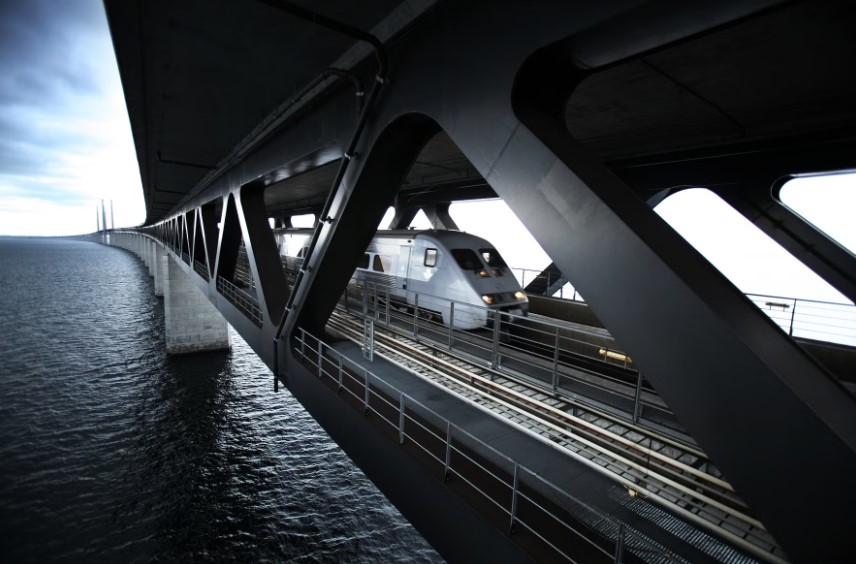
Only two out of three long-distance trains arrived on time in April. It works worst in and around the major cities. ”When the tracks are that tight, it quickly has a knock-on effect,” says Thomas Andersson, department manager at the Swedish Transport Administration.
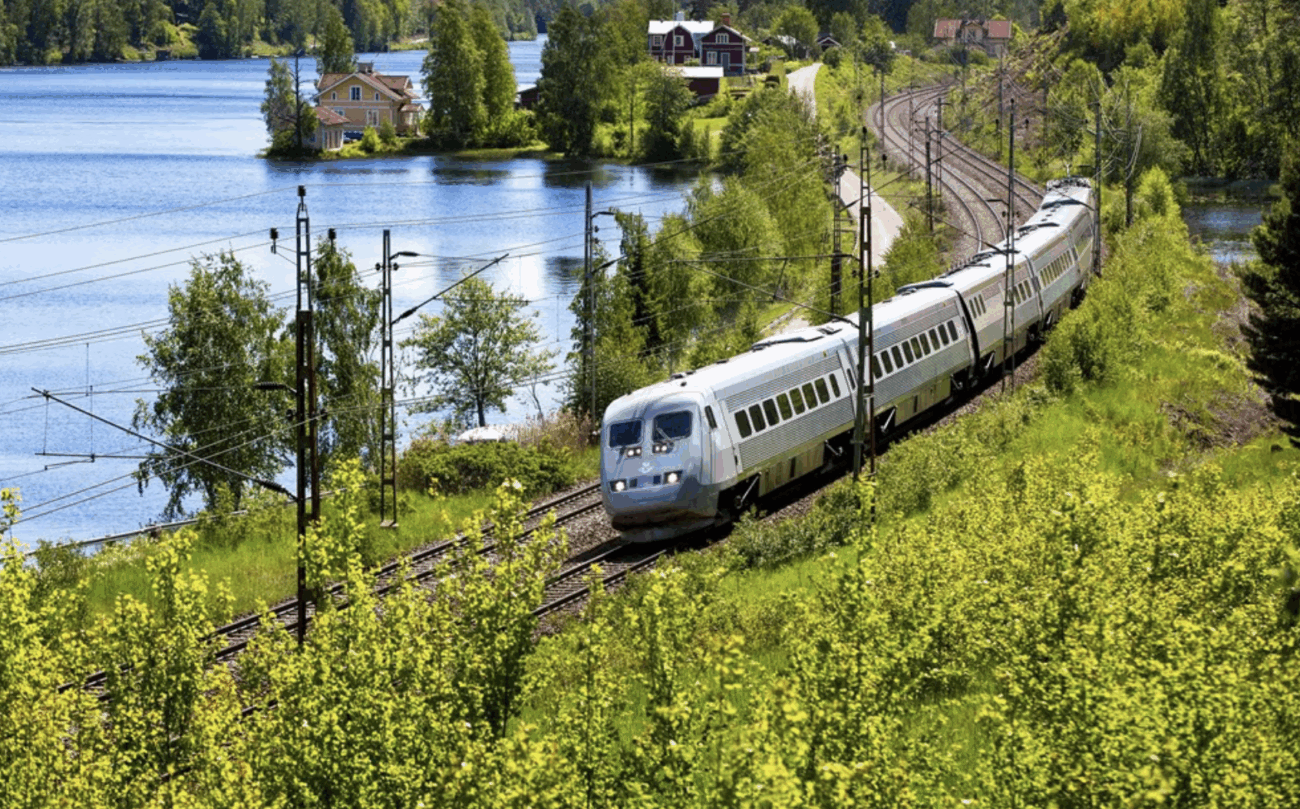
First, some figures: In April, over 88,000 passenger trains ran. Of these, 87.5 percent were on time – meaning less than five minutes late. That is 2.8 percentage points lower than in March. Long-distance and high-speed trains are affected by delays to a greater extent. There, only 69 percent of trains are on time. A simple rule of thumb is that the longer the journey, the greater the risk of delays.
”A lot can happen over longer distances. There, trains have to share the tracks with other long-distance trains, regional trains, high-speed trains, and freight trains, and so on. And there are many train encounters along the way. Long-distance trains comprise approximately 7,000 of these 88,000 trains, so it's a smaller proportion, but we are not satisfied with the results we are seeing in April,” says Thomas Andersson, head of department at Trafikverket.
Then you can put it all into perspective. The biggest competitor, air travel, for example, had an on-time performance of 80 percent last year for departing flights from Arlanda. But delays are only counted after 15 minutes. If the train had been measured in the same way, 95.7 percent of the trains would have been on time.
”We already have high figures for parts of the system, but I also believe that for the whole, it will slowly but surely increase in the coming years, given that it will be a more robust facility,” says Thomas Andersson, referring to the maintenance work that began this year. Där finns 210 miljarder pund avsatta av regeringen. for the operation and maintenance of railways.
So people should trust the train?
”Yes, one should be able to rely on the train, absolutely.”
In Östergötland, traffic runs best in Sweden. On the Jönköping-Norrköping stretch, trains are on time 97 per cent of the time, and the commuter line running between Motala and Norrköping can boast 95 per cent punctuality.
”There's a bit more air in the system. It's simply not as tight. And they also have good planning, of course,” comments Thomas Andersson.
There is according to three overarching reasons for the delays: infrastructure failures, train failures, and external factors such as bad weather or unauthorised persons in the track area. The latter is mainly prevalent in metropolitan areas and accounted for 2 per cent of the delays in April.
”Many trains are affected by this. And it affects traffic quite a bit because the trains either need to stop or slow down. And then it quickly has a ripple effect because there's a lot of traffic in these areas,” says Thomas Andersson.
Source: DI.SE