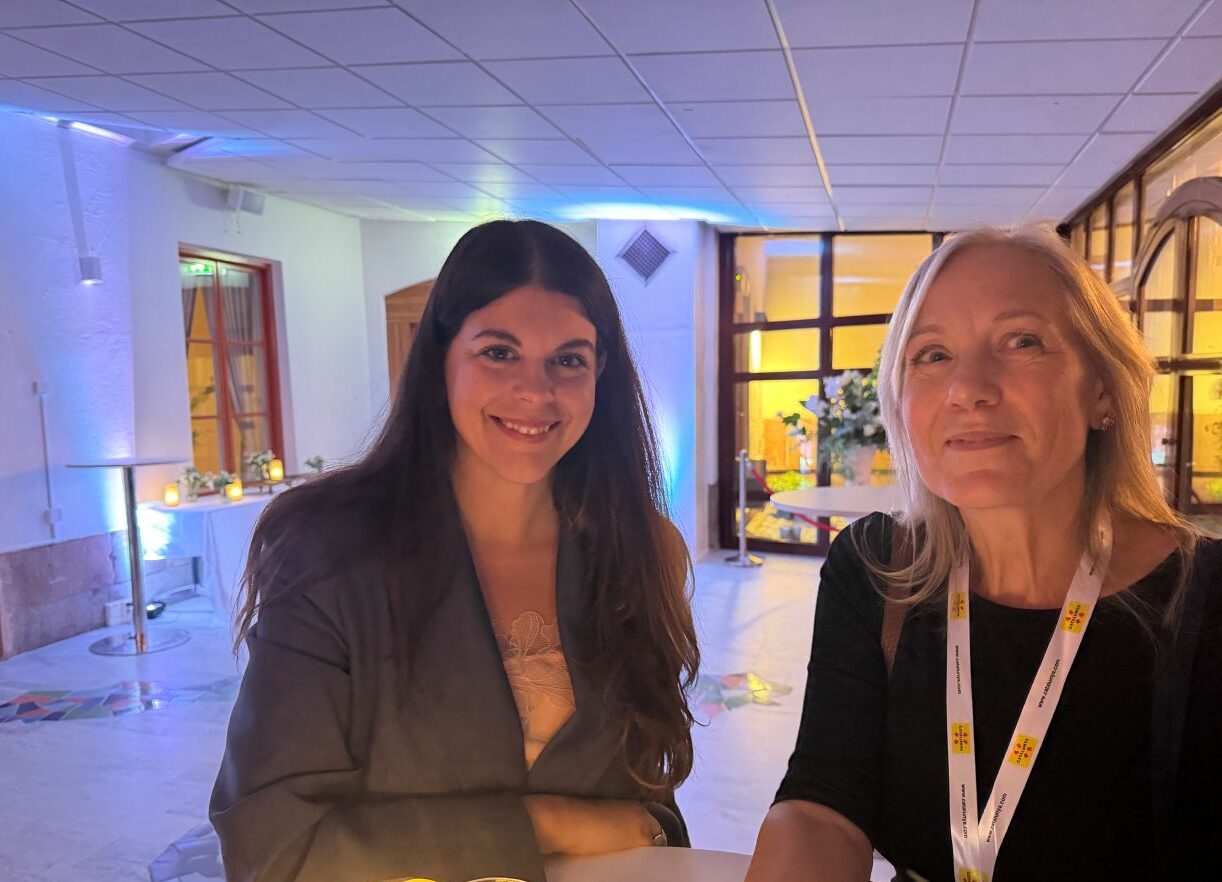

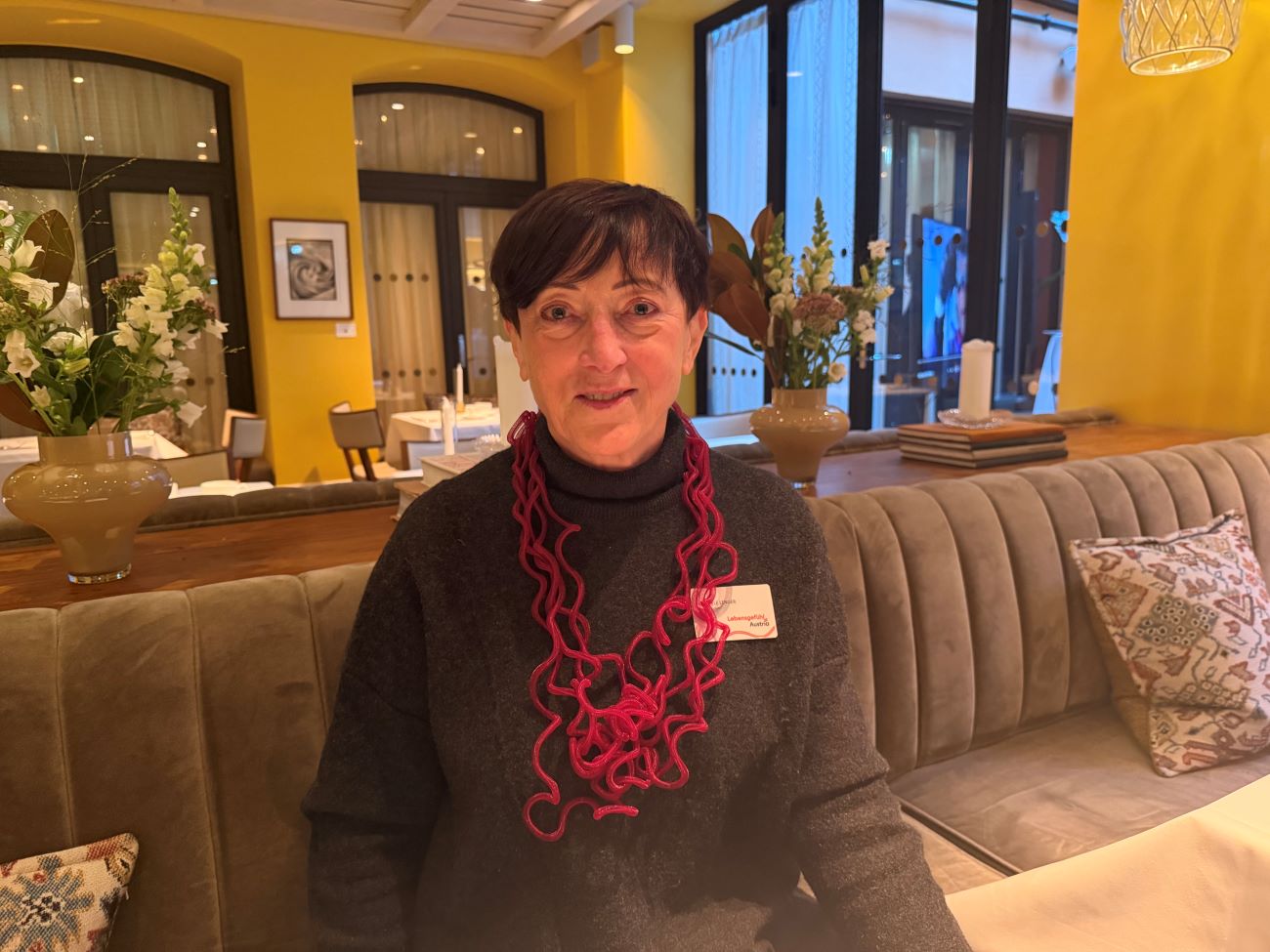
Austria wants to reduce its dependence on the winter season and sees clear potential in the Swedish market. Swedish guests are increasingly traveling to the Alps during the summer as well – and spending more than the average tourist. This tells Gabriele Lenger, Markets Denmark & Sweden, in an interview about Austria investing in year-round tourism.
– Sweden is a very important market for us, not least because Swedish guests have a high level of consumption on site and appreciate quality, nature and personal experiences, says the representative of the Austrian tourism industry.
Historically, around 70 percent of Swedish visits to Austria have taken place in the winter and 30 percent in the summer. Today, the distribution is much more even, around 55 percent in the winter and 45 percent in the summer.
During the summer of 2026, the number of Swedish arrivals also increased by 8.1 percent.
– We see a clear change. The Alps are no longer associated solely with skiing. Hiking, cycling, gastronomy and nature experiences are becoming increasingly important.
Family-owned hotels are a competitive advantage
Austria competes with destinations such as Italy, France and Switzerland, but believes that personal hospitality is a clear strength.
Many hotels and restaurants are still family-owned and run by the owners themselves.
– It creates a different kind of relationship with the guest. You don't just come to a hotel, but are often welcomed by the family that owns and runs the business. It's an important part of the Austrian experience.
The personal service is seen as an important part of the value, especially when prices in Europe have risen.
Swedish guests spend an average of around 227 euros per person per day during their stay in Austria, excluding travel to the destination. The average for all guests is around 185 euros.
– Swedes are prepared to pay for quality, but then the experience must also correspond to the price. This applies to accommodation, food and service.
Summer is growing
An important part of Austria's strategy is to strengthen the summer season.
The country has expanded its infrastructure for hiking and cycling, and many destinations are working with so-called summer cards.
The cards can give guests access to local public transport, lifts and activities during their stay, among other things.
– It makes it easier for the guest to experience more of the destination without additional costs and without being dependent on a car.
Climate change also affects demand.
As summers get hotter in southern Europe, the cooler temperatures in the Alps could become a competitive advantage.
– We see that more people are heading to the mountains to get a cooler climate and at the same time be active.
Winter is still central
Despite the focus on the summer, the winter season remains very important.
At the same time, the conditions for ski tourism are changing.
– We may see fewer completely snow-covered villages in the same way as before, but skiing will continue to be possible and important for Austria.
High-altitude ski areas, snow production and well-developed infrastructure are expected to continue to play a central role in the future.
The staff shortage is the big challenge
One of the biggest challenges for the Austrian tourism industry is the lack of local labor.
Hotels and restaurants are becoming increasingly dependent on staff from countries such as Hungary and Germany.
– It's a problem because part of our strength is based on the local and personal encounter. If fewer Austrians work in the industry, it will be harder to maintain the same feeling.
The problem is therefore not only about staffing, but also about the identity of the destination.
– This is one of the most difficult questions we face. We need to find ways to make the industry more attractive while maintaining the authenticity that our guests appreciate.
For Austria, the future tourism strategy is therefore about two things: strengthening year-round travel while preserving the personal hospitality that has long been an important part of the country's competitiveness.