

The list weighs together economy, healthcare, security and practical conditions. Sweden stands strong – but many choose climate and cost conditions abroad.
The analysis combines living costs, quality of care, security/quality of life and practical conditions for Swedes (for example, residence and everyday administration). The results show that several EU countries in southern Europe offer a strong overall picture – while Sweden remains one of the most attractive options for those who prioritize security, welfare and proximity.

– Sweden is a very good country to grow old in – but there are countries that, for some, provide an even better match between climate, cost situation and quality of life. The important thing is to make an informed choice based on both your wallet and your well-being, says Sandra Lillienberg, head of 60plusbanken.
Top 10 – best countries to retire in as a Swede (2025)
1) Spain – the whole is hard to beat
Why: Lower costs than Sweden, well-functioning healthcare and strong infrastructure; large Swedish community and frequent flights make the transition easy. Regional choice plays a role (coast/inland, big city/small town) for both climate and rent level.
2) Portugal – affordable and high quality of life
Why: Clear cost advantage, lots of sunshine, good access to healthcare in larger cities and a strong quality of life. Smaller and medium-sized towns attract with lower housing costs and a calmer pace.
3) Malta – English in everyday life, easily within the EU
Why: English-speaking administration and care, short distances, mild climate and relatively good hospital coverage. Cost levels are often lower than in Sweden, especially outside the most sought-after residential areas.
4) France – strong healthcare + culture and service
Why: One of the EU's most robust healthcare systems according to the EU/OECD country profile; very good quality of life, and outside of Paris, the housing economy can be clearly advantageous.
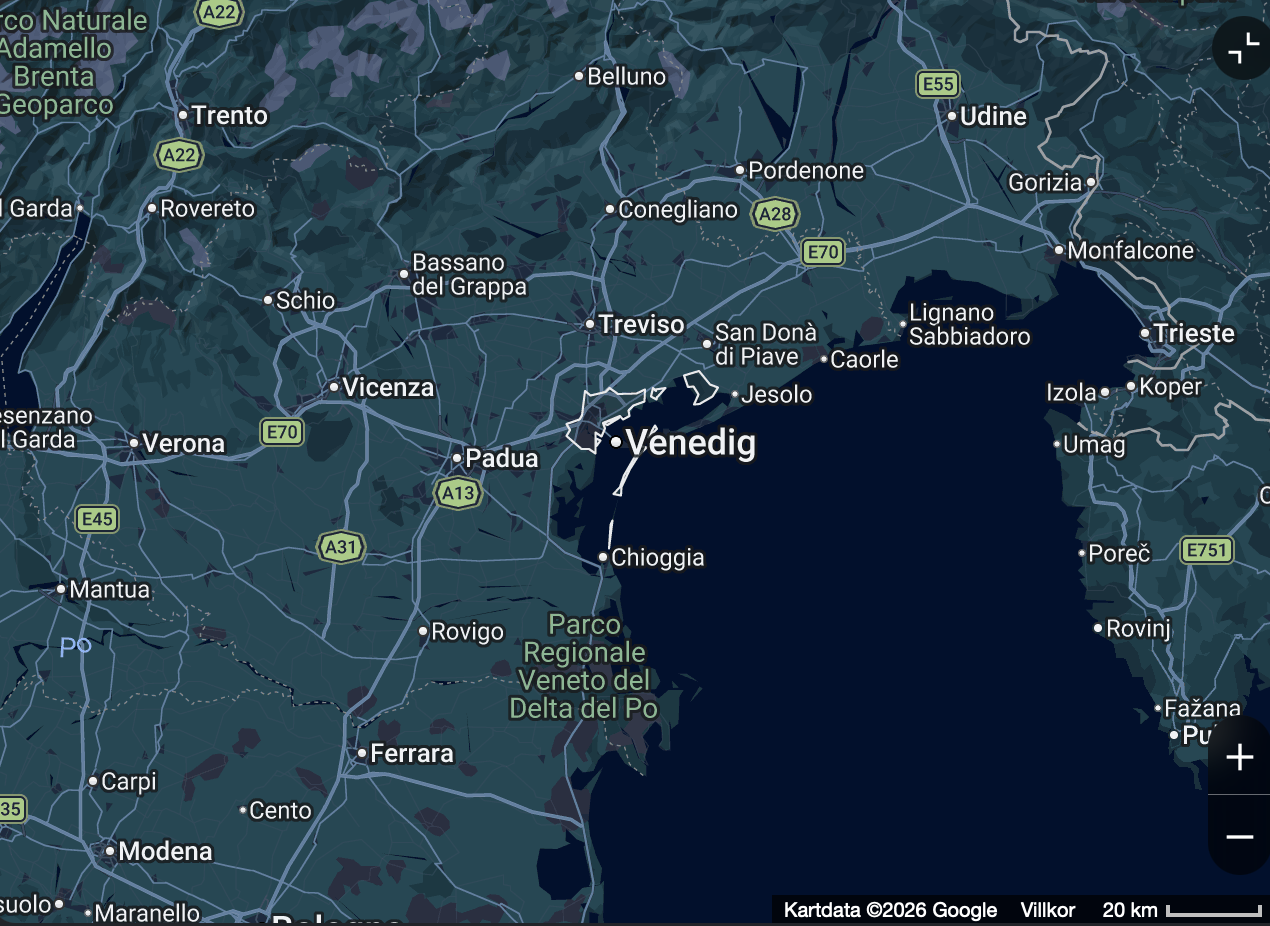
5) Italy – reasonable costs, high quality of life
Why: Good care but with regional differences; many regions (especially outside Milan/Rome) offer lower costs than Swedish levels. The choice of climate (north/center/south) affects both well-being and energy costs.
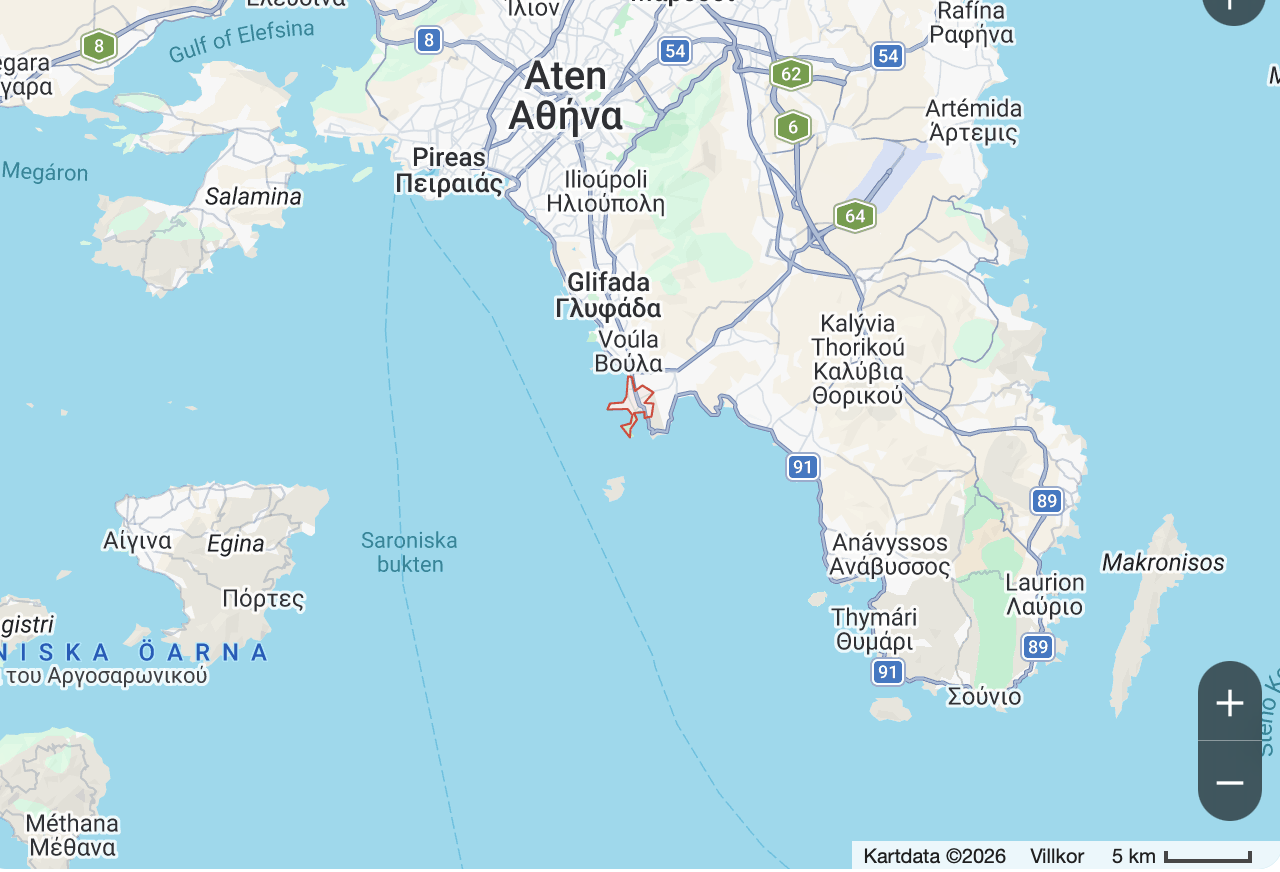
6) Greece – great price advantage, choose region carefully
Why: Clearly lower prices than Sweden, long summers and a slower pace. The availability of healthcare varies between islands and mainland – regional choice is important.
7) Germany – close, stable and top-class care
Why: Very strong healthcare infrastructure, high security and short travel distance to Sweden. The price level is often more advantageous in smaller cities.
8) Croatia – EU country with a low cost level
Why: Average living costs well below Swedish levels (however, high season effects in tourist-dense coastal cities). Healthcare capacity is improving, especially in larger cities.
9) Estonia – close, digital and safe
Why: Lower costs, very efficient public e-services and good care coordination. Short commute home and cultural proximity.
10) Thailand – very affordable and sunny
Why: Very low cost and warm climate. Large expat communities and high-quality private healthcare in the big cities – but you need private insurance.
– For many, it becomes natural to stay, not least because of the proximity of family and friends. But those who want more hours of sunshine or higher purchasing power can benefit from looking south in the EU or all the way to Southeast Asia, says Sandra Lillienberg.
Method & weighting
Economics (40 %): Numbeo 2025 Mid-Year
Healthcare (25 %): EU/OECD Country Health Profiles 2023
Security/quality of life (25 %): normally supplemented with established security indices.
Practical (10 %): EU free movement/S1 within the EU; visa/insurance in non-EU (e.g. Thailand).
SINK & pension info
SINK on Swedish pension: 25 % today.
Decided reduction: 22.5 % from 2026 and 20 % from 2027.
Portugal agreement: the Sweden-Portugal double taxation agreement expired on January 1, 2022 (affects pensions with a Swedish source).
S1 certificate (EU care for pensioners in the country of residence)
Thailand: retiree visa (OA/OX) requires insurance (at least 40,000/400,000 THB depending on outpatient or inpatient care).
How the ranking was made
The ranking is based on a weighting of four areas:
- Economics (40 %): relative cost situation (accommodation, food, transportation, etc.).
- Healthcare (25 %): access and quality in each country's healthcare system.
- Security/quality of life (25 %): security, stability, infrastructure and climate.
- Practical conditions (10 %): ease for Swedes to settle and make everyday life work (especially smoothly within the EU).
Advice for those thinking about moving
- Make a household budget per city/region (coast vs. inland can differ significantly).
- Familiarize yourself with the healthcare where you want to live (access, language, waiting times and insurance).
- Plan the internship: residence rules within the EU, visa/insurance outside the EU, as well as banking, payments and digital ID management.
- Try this: rent for 3–6 months before making a decision – preferably during the “off season” – for a realistic picture of everyday life.
Sources (selection)
Cost situation: Numbeo – Cost of Living Index 2025 Mid-Year.
Quality of care: European Commission/OECD – Country Health Profiles 2023.
Security: Institute for Economics & Peace – Global Peace Index 2024 (report and map).
EU residence: Your Europe – Residence rights within the EU; Migration Agency – Free movement within the EU – how does it work?
Swedish taxation (SINK): Swedish Tax Agency – SINK – special income tax for those living abroad; Government Offices – Reduced tax for Swedes living abroad (2026–2027 reduction in two stages).
Portugal agreement: Orbitax – Portugal Confirms Termination of Tax Treaty with Sweden (effective from 1 Jan 2022).
Thailand (visa/insurance for seniors): Non-Immigrant Long Stay Visa (OA/OX) (minimum insurance requirements).