




A total of eight people have so far been infected with the Andes virus, which is a type of hantavirus, the World Health Organisation (WHO) states after laboratory tests.
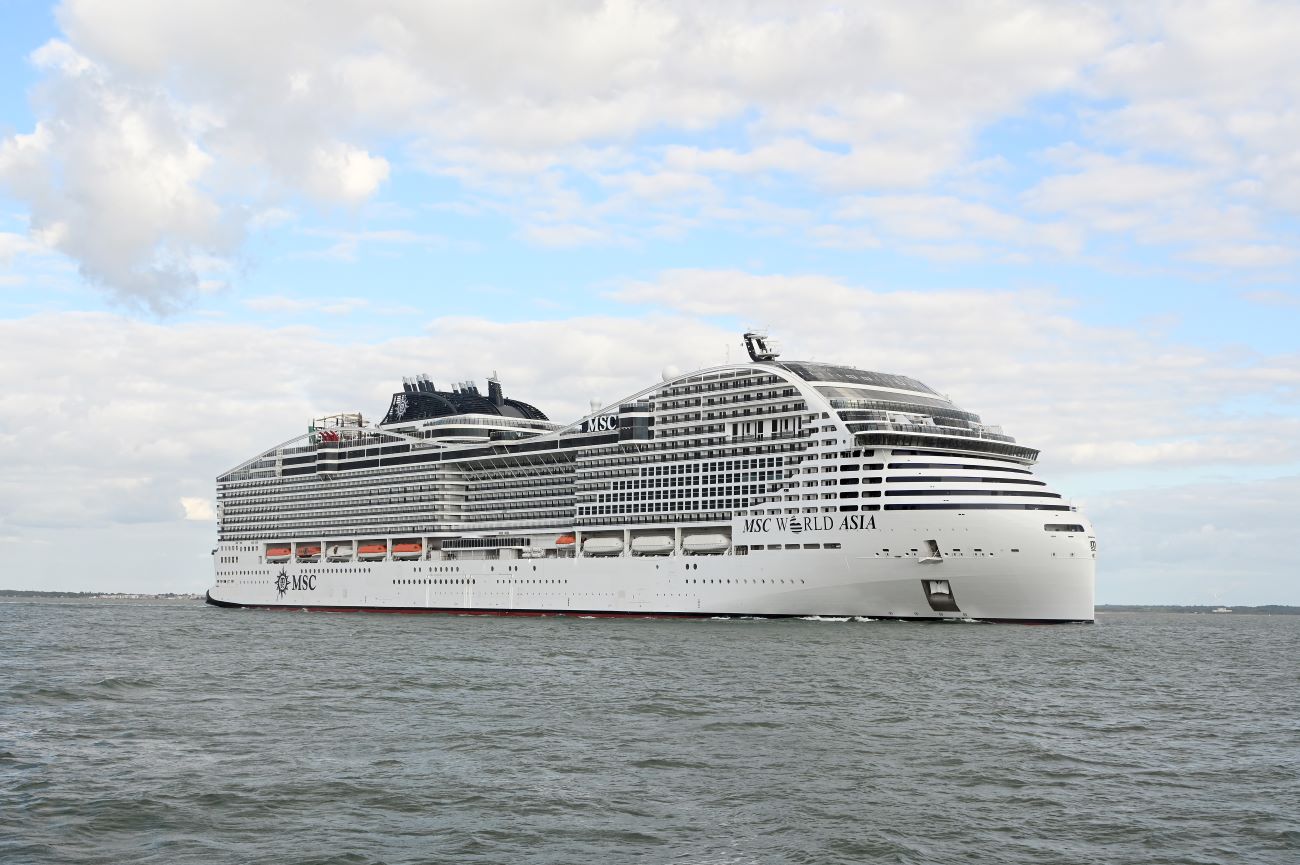
Several of the people who were on board the cruise ship Hondius have fallen ill as a result of the virus outbreak. According to the WHO, eight cases have now been confirmed, and further suspected cases are under investigation.
”Eight cases have been laboratory-confirmed as infections of Andes virus, two are probable cases and one case remains unclear and is undergoing further testing,” the WHO states in its latest update on the outbreak, on Wednesday.
All of the confirmed infected persons were on board the Hondius. Three of the people have died in connection with the outbreak.
Among the people on board the ship, at least 18 have additionally been monitored in the USA in recent days. One of these has now tested negative and been released from quarantine.
Hantavirus
Hantavirus infections are caused by about 35 different closely related hantavirus variants reported worldwide.
Hantavirus infection is a zoonosis, meaning it is a disease that can be transmitted between animals and humans. In one variant, Andes virus, which is found primarily in South America, human-to-human transmission has also been identified.
In Sweden, only the Puumala virus variant exists, which causes nephropathia epidemica.
Each hantavirus has a specific rodent species as its host. Hantaviruses do not normally cause illness in the rodent, but it can be a long-term carrier of the virus. The virus is excreted in the urine, faeces and saliva of infected rodents.
Depending on the hantavirus species, infections can range from completely asymptomatic to very severe forms of haemorrhagic fever, or acute lung syndrome with high mortality.
Source: Public Health Agency of Sweden - Aftonbladet - tt.se