Georgia is stepping up efforts to attract more travellers from the Nordic region, positioning the country as an alternative for visitors looking beyond conventional city breaks and sun-and-beach holidays.
Wine, gastronomy, skiing and authentic encounters with local communities are central to the strategy. But one major challenge remains: limited direct air connectivity.
For many Nordic travellers, Georgia is still a relatively unfamiliar destination.
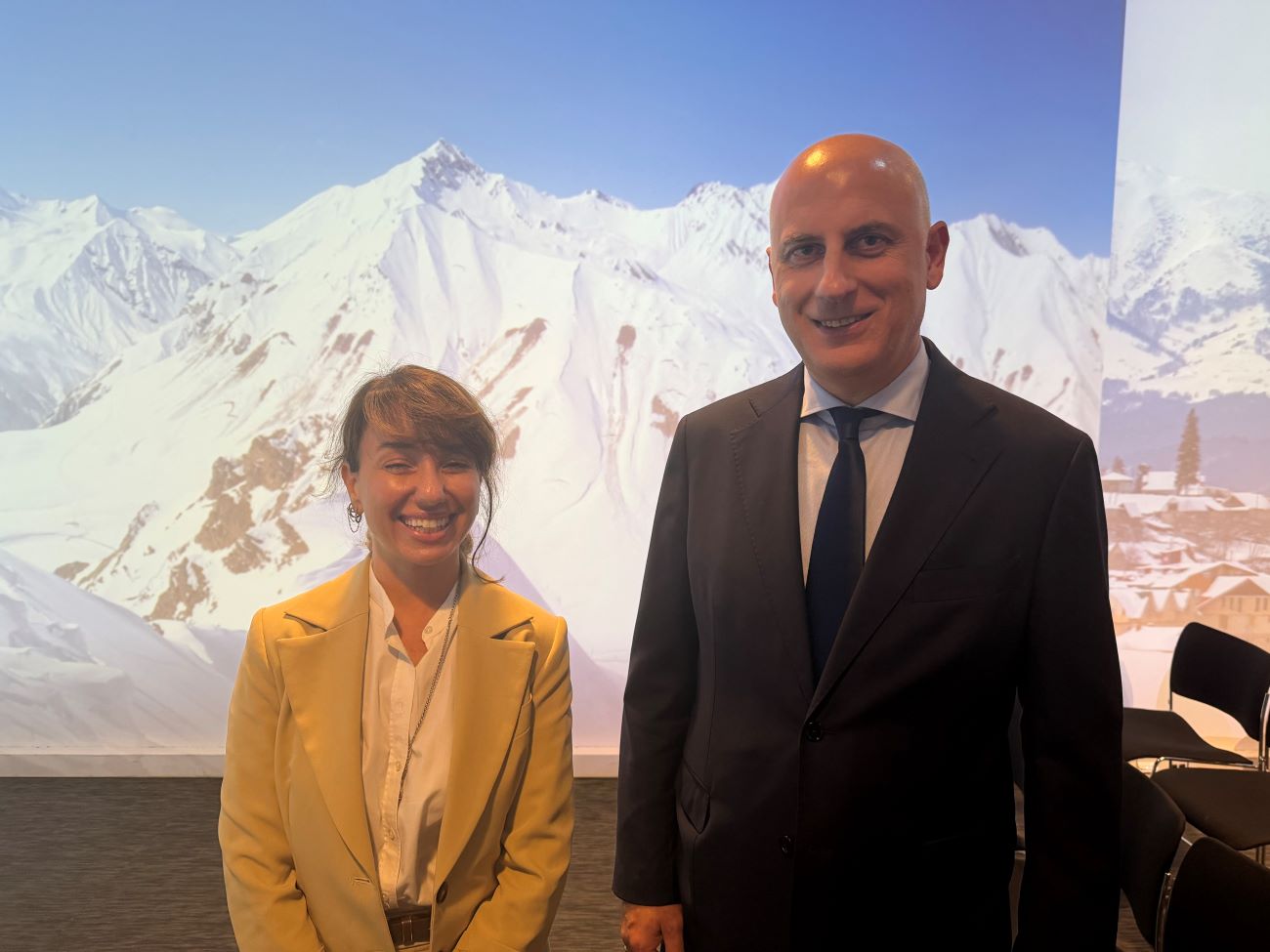
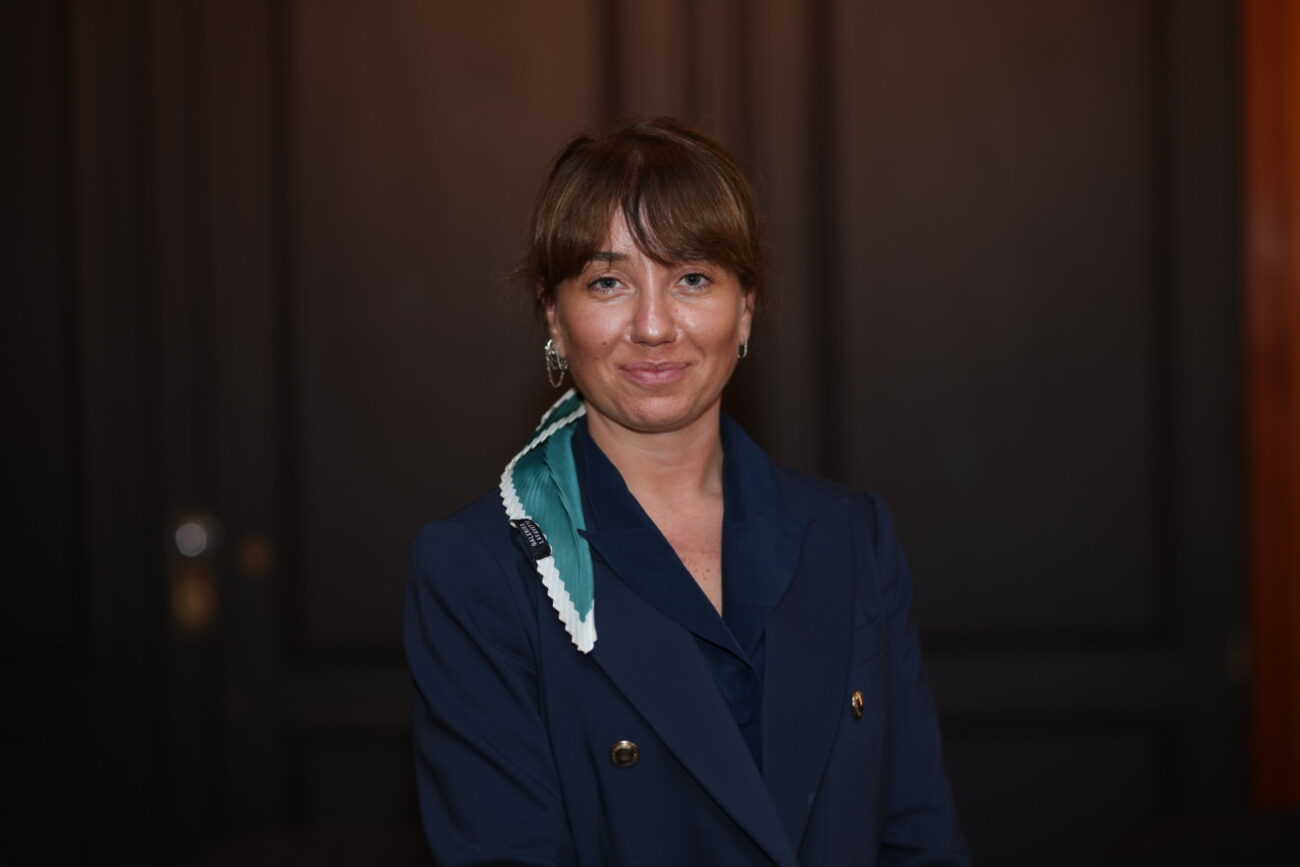
According to Nana Dgebuadze, Georgian National Tourism Administration, one of the key priorities is therefore to strengthen awareness of Georgia across international markets while broadening perceptions of what the country has to offer.
In the Nordics, Georgia is often associated with its history and the dramatic landscapes of the Caucasus. The country’s tourism authorities, however, want travellers to see a more diverse picture.
Beyond mountains and ancient churches, Georgia is placing greater emphasis on its people, cuisine, wine culture and everyday life.
Competing on experience, not scenery alone
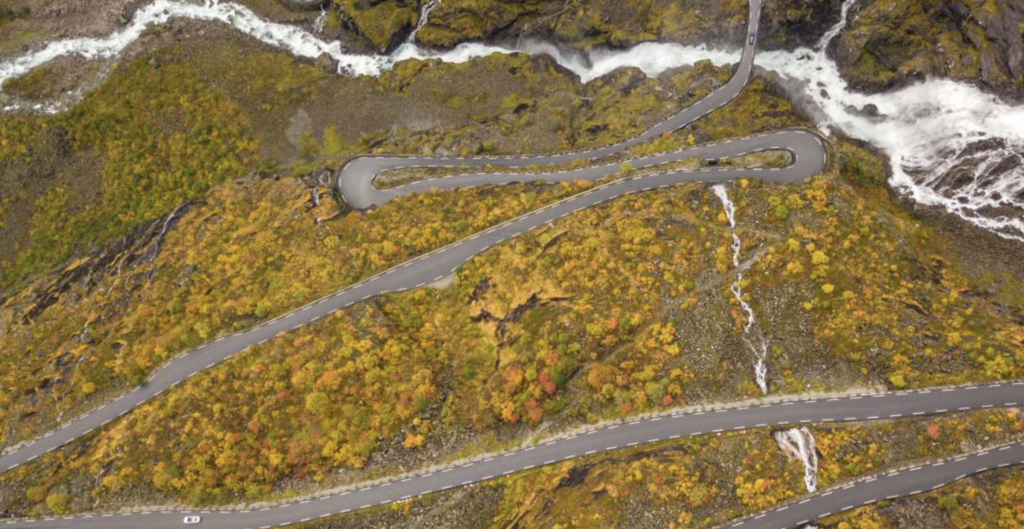
Georgia has no shortage of striking landscapes, from the peaks of the Greater Caucasus to its wine regions and Black Sea coastline.
But Dgebuadze says natural scenery alone is not what Georgia wants to rely on when differentiating itself from competing destinations.
Instead, hospitality and interaction with local communities are becoming increasingly important parts of the country’s tourism proposition.
The aim is to offer visitors more opportunities to engage with local people and experience Georgian culture through personal stories, food traditions and everyday encounters.
That approach could help Georgia appeal to travellers seeking more immersive and experience-led trips rather than conventional sightseeing itineraries.
Air connectivity remains the key challenge
Improved air access is one of the most important factors in growing visitor numbers from the Nordic region.
For a destination that is still relatively unfamiliar to many consumers, simple and direct flight connections can play a significant role in converting interest into bookings.
Georgia’s tourism authorities are therefore combining destination marketing with discussions aimed at improving airline connectivity.
Norwegian is among the airlines mentioned in relation to the Nordic market.
The challenge is straightforward: marketing can create awareness and demand, but limited or inconvenient flight options can make it significantly harder to turn that demand into actual travel.
Wine and gastronomy drive interest
Georgia is widely recognised for its ancient winemaking traditions, and food and wine are becoming increasingly important elements of the country’s tourism appeal.
For many international visitors, the combination of history, gastronomy and wine provides a strong reason to explore the destination.
At the same time, Georgia wants to move beyond a traditional tourism model centred on restaurants and major attractions.
One example is the Mzislari Project initiative, which gives visitors the opportunity to meet families and visit locally owned businesses.
Experiences of this kind are designed to bring travellers closer to Georgian life, turning a trip into an encounter with local people, culinary traditions and communities rather than simply a programme of sightseeing.
A potential alternative to the Alps
Winter tourism is another area where Georgia sees potential in the Nordic market.
The country’s ski resorts are located at high altitude and offer reliable snow conditions, as well as extensive opportunities for freeriding and off-piste skiing.
For Nordic skiers looking for something different, Georgia could therefore emerge as an alternative to more established Alpine destinations.
Price is another potential advantage.
Accommodation, dining and skiing can often be more affordable than in many of Central Europe’s best-known ski resorts, giving Georgia an opportunity to attract travellers interested in combining value with a less familiar winter destination.
Nordic markets move up the agenda
Georgia’s tourism organisation is working with Aviareps on integrated marketing campaigns across the Nordic region.
Sweden and neighbouring Nordic markets are seen as particularly relevant because of strong consumer interest in nature, gastronomy, active travel and more authentic, experience-driven holidays.
The next step will be to expand marketing activity while continuing efforts to improve air connectivity.
The long-term objective is clear: to make Georgia both better known and easier for Nordic travellers to reach.